



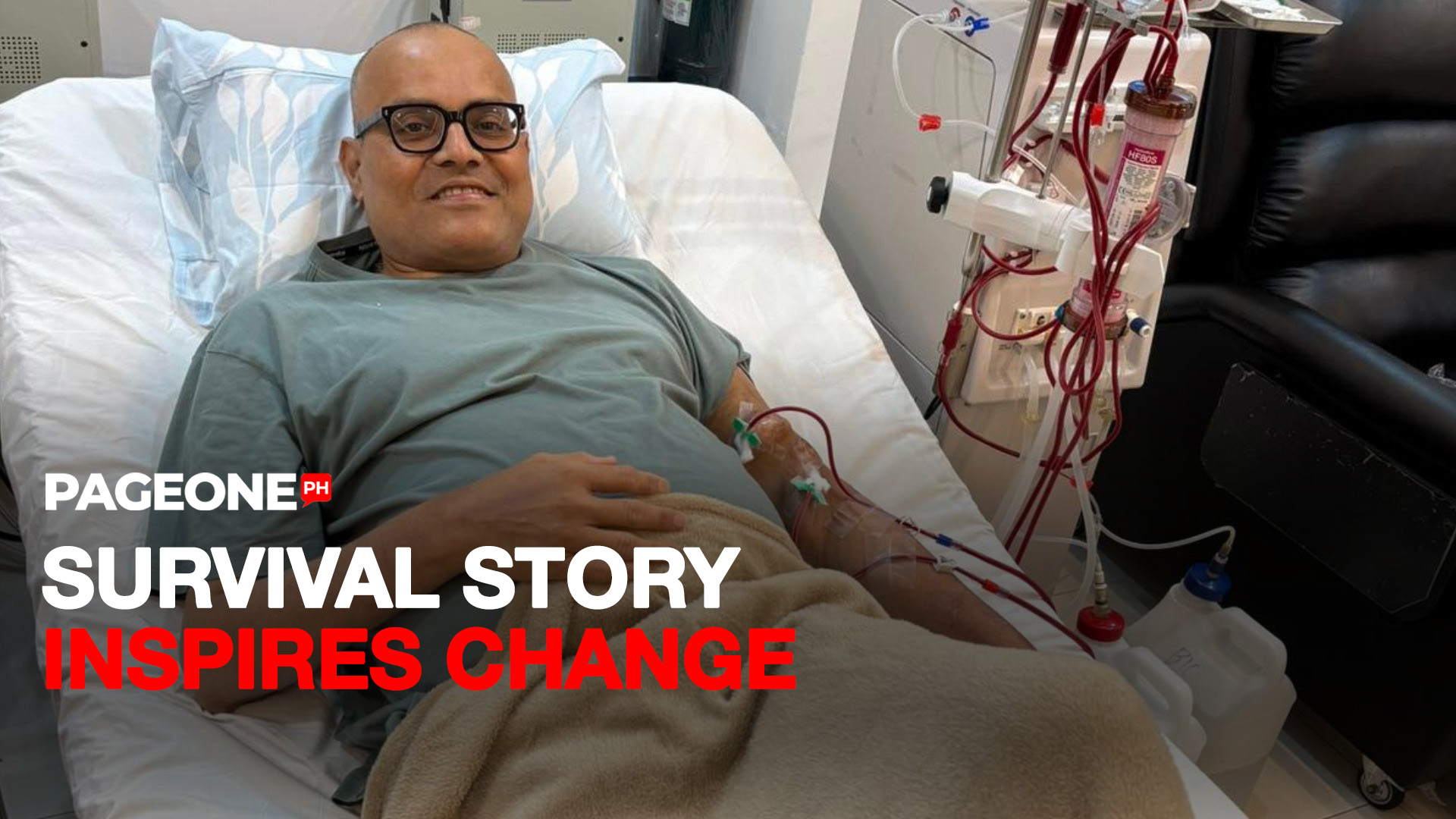






Behind Asia’s largest dialysis network lies not a conventional corporate blueprint, but a deeply human advocacy born from a young man’s fight for survival.
NephroPlus, which continues to expand its footprint across the Philippines, is driven by a simple yet powerful belief: people on dialysis deserve to lead long, happy, productive lives – with dialysis remaining just a small part of their journey.
At the heart of this multi-national mission is Kamal D. Shah, co-founder of NephroPlus and a patient since the age of 21. For Kamal, the business of healthcare is deeply personal – he has been a dialysis patient himself for nearly three decades.
A Dream Interrupted
In 1997, Shah’s life was unfolding precisely as he envisioned. Having just secured a student visa to pursue a master’s degree in the United States, he felt the world opening its doors to his ambitions.
But on the cusp of departure, a sudden medical emergency derailed his plans. Doctors diagnosed him with Atypical Hemolytic Uremic Syndrome (aHUS) – a rare, life-threatening genetic disease affecting only two to three million people worldwide.
“How could a young man preparing for graduate school in America suddenly be fighting for survival?” Kamal recalled, describing his harrowing first dialysis session. “Fear overtook me as my blood circulated through the machine.”
What followed was exhausting medical interventions: regular hemodialysis, plasma exchanges, steroid treatments, and blood transfusions. A temporary recovery was cut short by a severe lung infection, forcing his family to briefly explore alternative therapies in sheer desperation.
In November 1998, a kidney transplant using his mother as a donor offered a beacon of hope. However, fate intervened again when -his primary disease recurred in the transplanted kidney as well, sending him back to square one.
The Refusal To Be Passive
Faced with a lifetime of treatment, Shah made a pivotal choice: “I have the will to win.”
He refused to remain a passive bystander in his own healthcare.
In 1999, he discovered Peritoneal Dialysis (PD), a home-based treatment option that was exceptionally rare in India at the time. Under the care of a supportive nephrologist, the transition allowed him to regain his energy, put on weight, and successfully return to the workforce as a young professional.
Years later, while on a beach vacation with colleagues in 2004, Kamal survived a devastating tsunami that flooded his room to neck level. While he escaped with his life, the seawater severely infected his PD catheter site, forcing a grueling return to hospital-based hemodialysis.
The physical and mental drain of standard hospital rotations led Shah to look for alternative solutions. He searched medical reports, watched international demonstrations, and worked closely with clinical staff to pioneer daily home hemodialysis, demanding a life lived with dignity, choice, and knowledge.
Redefining Kidney Care In The Philippines
Through his dual lens as a patient and an acute observer of clinical gaps, Shah realized that renal care needed a global overhaul. Patients deserved more than clinical routine; they deserved better holistic outcomes, stringent quality controls, and empathy.
This conviction laid the cornerstone for NephroPlus.
“We want our guests to get their lives back,” says Shah. “People on dialysis can live normal, long lives, provided they receive good-quality care.”
Today, NephroPlus has evolved into Asia’s largest dialysis network, partnering with local communities to bring world-class, empathetic dialysisl care directly to Filipino patients. At the heart of this mission is a shift from treating patients to welcoming guests. This philosophy honors the lived experience of its co-founder, proving that chronic illness does not mean a life on hold – and championing a better quality of life across geographies.


