



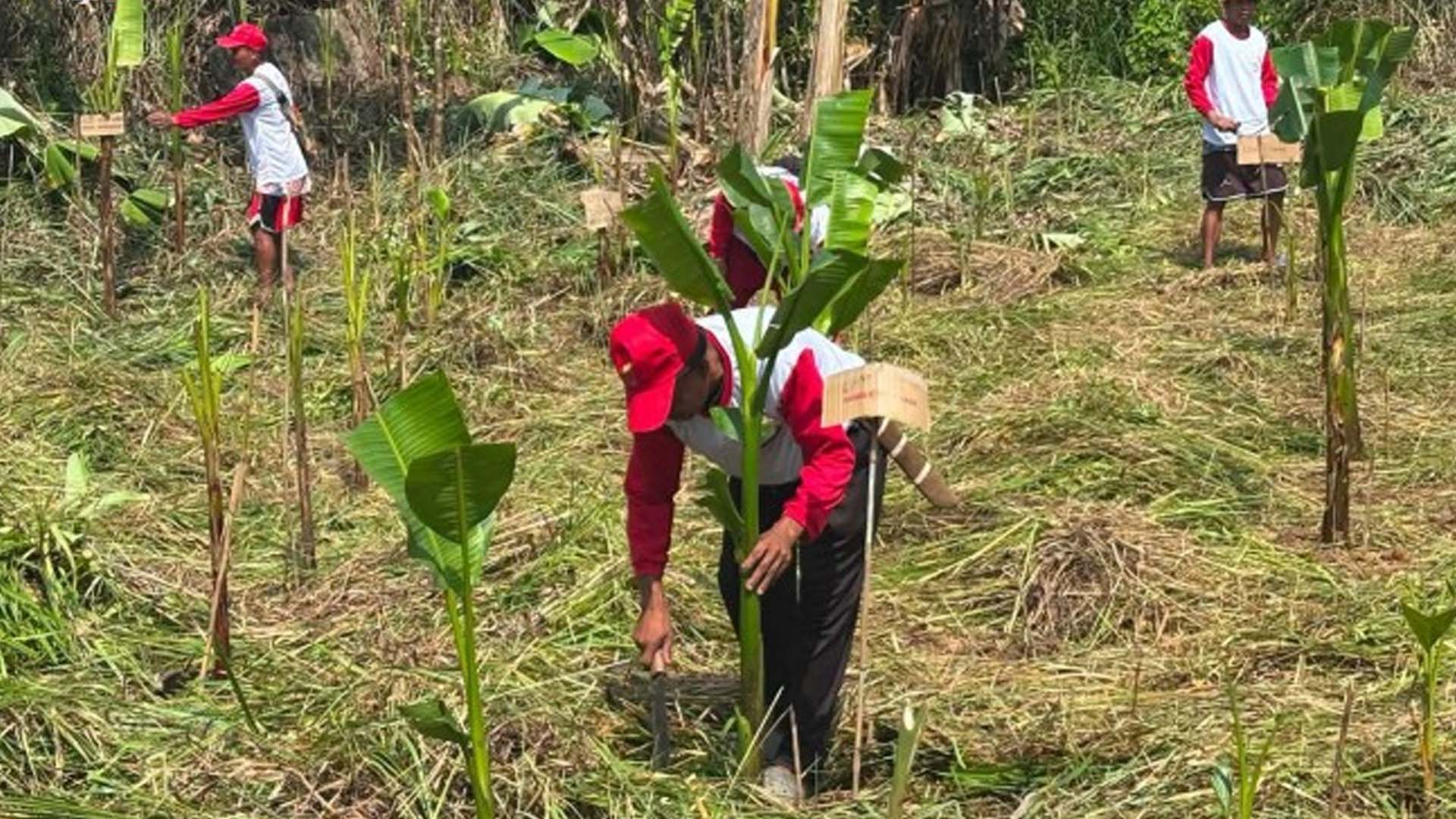







The Department of Labor and Employment (DOLE) has tapped 200 villagers to rehabilitate an abaca farm in Silvino Lubos, Northern Samar under the agency’s Tulong Panghanapbuhay sa Ating Disadvantaged Workers (TUPAD) program.
The program provided PHP2.91 million in wages to workers to support the month-long rehabilitation of the town’s abaca industry in July, DOLE’s regional office here reported on Thursday.
DOLE said the initiative aims to provide temporary employment and immediate income to disadvantaged workers, while supporting efforts to restore abaca plantations, a major source of livelihood in the town.
The workers participated in the initial rehabilitation of abaca farms, including the planting of young abaca seedlings that will eventually supply raw materials for fiber production.
“Although the newly planted abaca will take time to mature, the wages earned through the program provided immediate financial assistance to participating families, helping cover food, transportation, school expenses, and other daily needs,” DOLE said in a statement.
The local government of Silvino Lubos carried out the project through its Public Employment Service Office, in coordination with the DOLE – Northern Samar.
The Philippine Fiber Industry Development Authority (PhilFIDA) provided technical support for the rehabilitation of the abaca plantations in coordination with the municipal agricultural office.
Before the release of wages, PhilFIDA validated the planted area by checking the condition of the plantations and provided guidance to ensure the healthy growth and long-term productivity of the newly planted abaca.
DOLE said the TUPAD program continues to provide short-term employment to vulnerable workers while helping local government units implement community-based projects that contribute to livelihood recovery and economic development. (PNA)


