










Government communication will move deeper into the regions and further into the digital and artificial intelligence space in 2027 as the Presidential Communications Office (PCO) expands localized media production, information-literacy training, and data-driven messaging.
Acting PCO Secretary Dave Gomez outlined the direction during Wednesday’s Senate Finance Subcommittee H hearing on the agency’s proposed 2027 budget, identifying regional media facilities, digital transformation, anti-disinformation work, state media revitalization, and greener operations among its priorities.
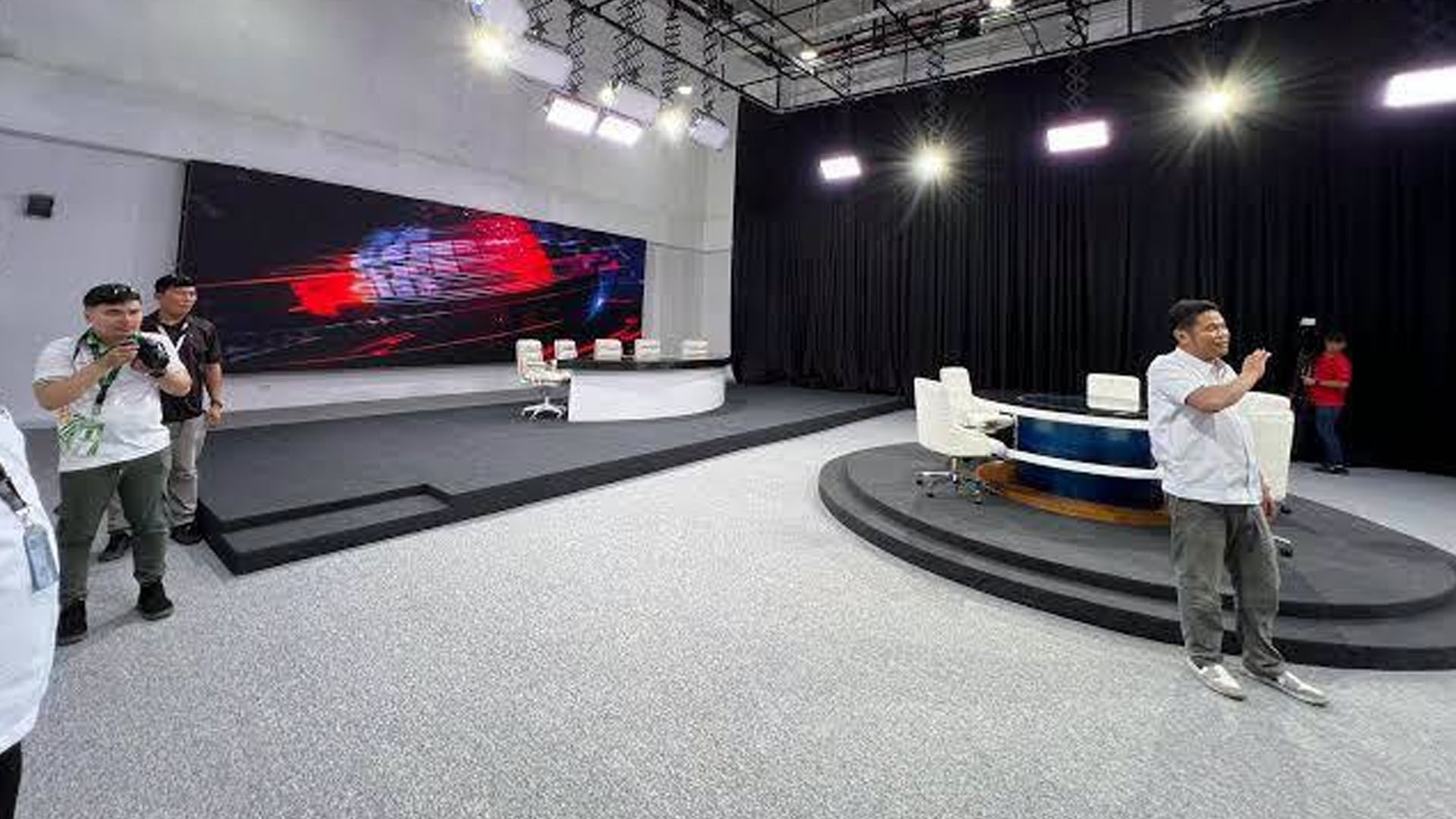
One major undertaking is the expansion of the Bagong Pilipinas Studios to additional strategic locations outside Metro Manila, allowing government agencies to produce localized content and disseminate information more quickly.
“This initiative expands government media production capabilities in the Visayas by investing in critical infrastructure, such as secure server systems and establishing additional dedicated studio spaces nationwide to enable localized high-quality content creation,” Gomez said.
The PCO opened its Visayas media hub in Mandaue City earlier this year, describing it as a “digital last mile” facility intended to broaden access to government information and give regional communicators access to broadcast and digital-production facilities.
Alongside physical expansion, PCO intends to intensify its media and information literacy campaign through workshops and capacity-building for educators, journalists, and government communicators.
Gomez said the initiative would increasingly incorporate artificial intelligence (AI), science communication, and cyber preparedness as misinformation becomes easier to produce and distribute.
Senator Erwin Tulfo, who presided over the hearing, said the changing information environment has raised the stakes for government communicators.
“Artificial intelligence or AI has made it easier to create fake images, videos, and even statements. Misinformation and disinformation can spread faster than government can respond,” Tulfo said.
He stressed that government communication should be judged not merely by output but by whether the public trusts the information it receives.
“Government communication cannot simply be measured by the number of press releases issued, posts uploaded, or engagement generated,” Tulfo said.
For 2027, the PCO also intends to use research, verified data, audience insights, and performance analytics in shaping communication strategies, while setting clearer responsibilities and measurable performance indicators for its programs.
The data-driven approach will accompany upgrades to government websites, social media channels, and communications infrastructure intended to widen the government’s digital reach. The PCO likewise plans to strengthen employees’ digital skills and continuous training as part of what it calls a “future-ready workforce.”
Another priority is the revitalization of state-owned media networks, alongside improved planning for presidential events, wider information dissemination, greater transparency, and stronger promotion of government programs.
The PCO’s environmental component, meanwhile, would introduce energy-saving technology and eco-friendly transport and power solutions to reduce operating costs and energy consumption.
The PCO family has a proposed PHP2.621 billion allocation under the 2027 National Expenditure Program, including subsidy for a government corporation, about 6.6 percent below its 2026 budget and equivalent to roughly 0.03 percent of the PHP7.2 trillion national spending plan.
Gomez said the agency intends to carry out the broader communications agenda despite the reduced allocation.
“With these modest resources, Your Honor, the PCO and its attached agencies remain fully committed to the formidable task of engaging and informing our citizens,” he said. (PNA)


