



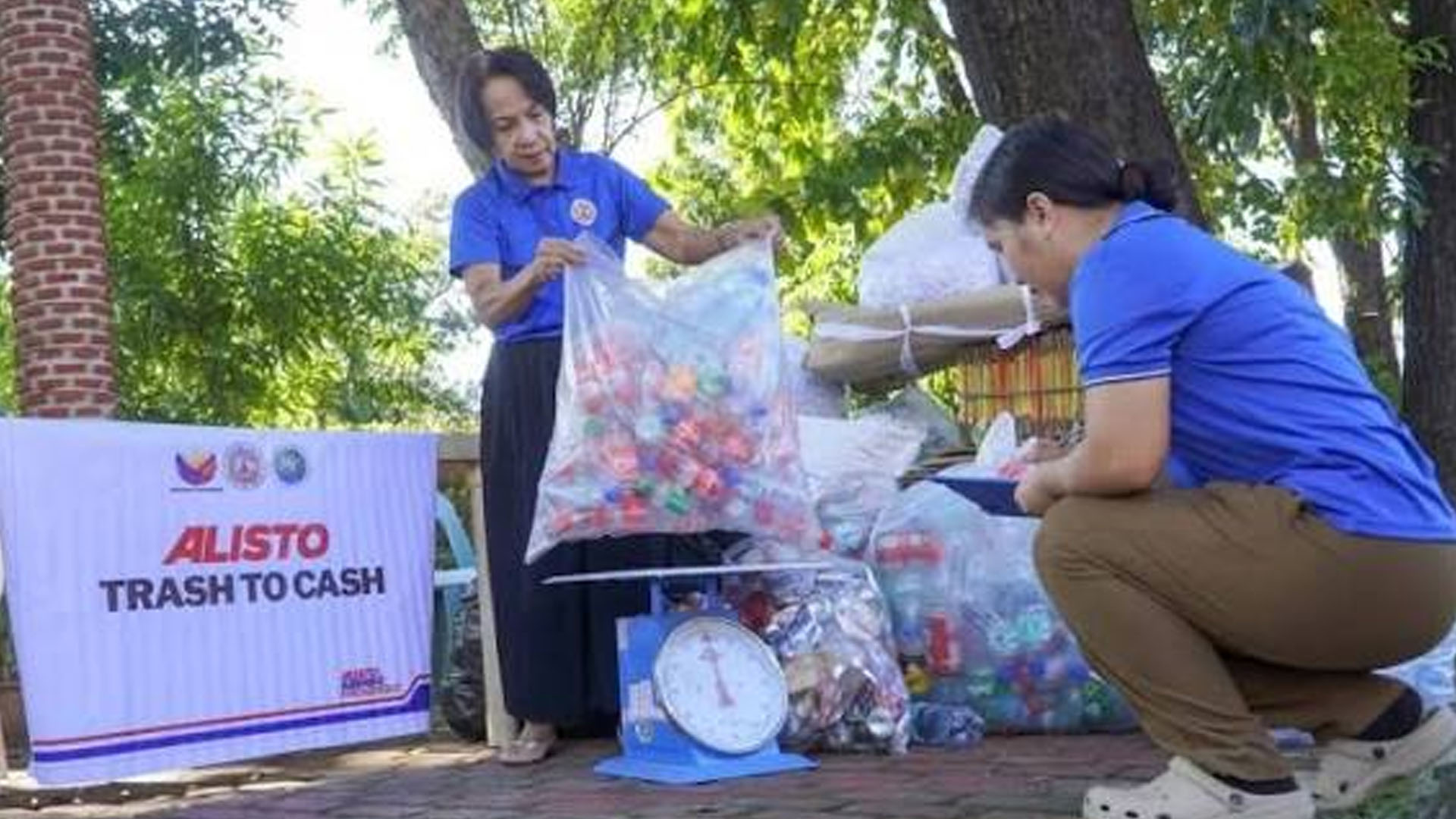







A community-based “Basura Exchange” program is gaining ground in villages across Ilocos Norte, encouraging residents to turn recyclable waste into something of value while promoting proper waste segregation and environmental responsibility.
Ryan John Pascua, provincial ABC president in Ilocos Norte, said in an interview on Monday that the initiative offers a simple but practical message: “Waste does not always have to end up as garbage.”
In the villages of Pinili, Pasuquin, Burgos and San Nicolas, for example, residents bring recyclable materials collected from their homes and communities to the Basura Exchange Store located at the village hall in exchange for cash, goods, or other incentives.
The approach gives households an added reason to segregate their waste and keep recyclable materials out of waterways, streets and disposal sites.
For families who patronize the store, the program provides a small economic benefit, and for communities, it means less waste requiring disposal.
A similar program known in Laoag as “Trash to Cash” program is also being promoted at City Hall through the Office of the Community Environment and Natural Resources (OCENRO), including in some rural villages, to promote waste segregation and recycling.
According to Laoag City Environment and Natural Resources Officer Mylene Isabel Pascual, one of the biggest challenges in solid waste management is changing the perception that all discarded materials are simply “basura” (garbage).
She said plastic bottles, cans, paper, cardboard, and other recyclable materials can still have value when properly separated and recovered. The Basura Exchange concept helps make that value visible. Instead of throwing recyclable materials into a mixed waste bin, residents can collect and exchange them — turning a household chore into an environmental and economic activity.
By initiating community-level programs like these, Ilocos Norte Senior Environmental Program Officer Joegie Jimenez said they are particularly effective because residents do not have to travel far to participate.
Since the launching of the program in coastal villages of the province last year, village officials and community volunteers continue to organize collection activities and encourage households to practice segregation at source.
“This makes environmental responsibility part of everyday community life rather than an occasional campaign,” he said.
Through the program, local officials have observed less plastic litter, preventing waste from reaching drainage systems, rivers and coastal areas.
This is particularly important during the rainy season, when improperly disposed waste can clog waterways and contribute to flooding. (PNA)