



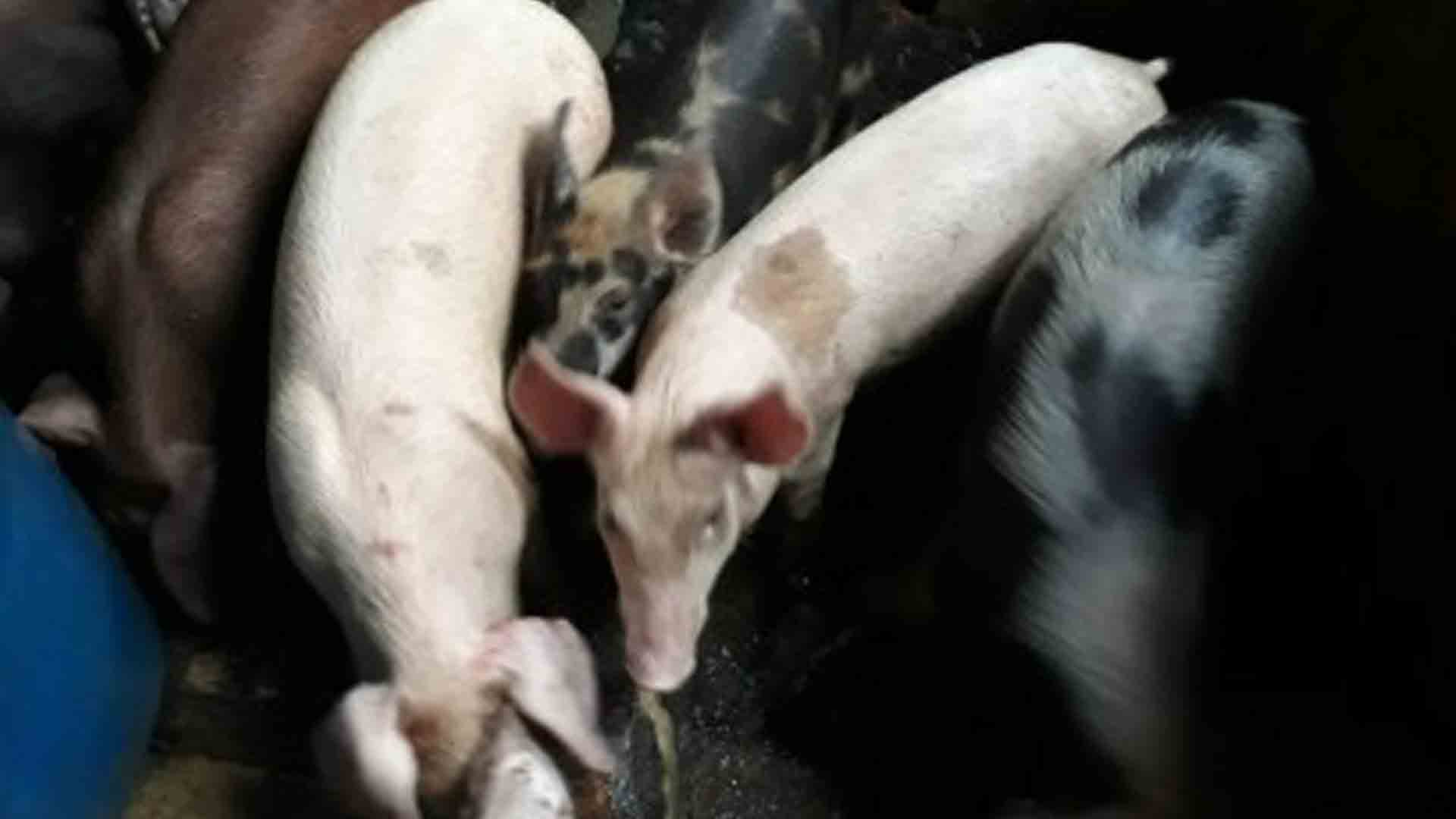







The Department of Agriculture (DA) confirmed that samples taken from processed pork products, such as hotdog, longganisa, and tocino, coming from a Manila-based company tested positive for the African swine fever (ASF) virus.
“We received reports that the team of Mindoro quarantine personnel, along with NMIS (National Meat Inspection Service) and BAI (Bureau of Animal Industry), were able to apprehend hand-carried few items of tocino, hotdog, and other meat products at the Calapan, Mindoro port, “ DA spokesman, Assistant Secretary Noel Reyes, told reporters.
“This shows that these pork products came from ASF-affected areas in Luzon that were sold and processed by medium-scale enterprises,” Reyes said.
He said backyard hog raisers within the 1-km. ground zero kept their pigs safe from being culled, then sold them to traders.
These traders, in turn, brought the live hogs to non-accredited NMIS slaughterhouses and processed them into tocino, hotdog, and longganisa, among others, he added.
Reyes, however, declined to disclose the name of the brand whose products have tested positive for the ASF virus.
“What’s the brand? We cannot say. We will find out in a few days. The NMIS and FDA will tell. From our end, I have yet to receive clearance to comment,” he said.
A clinical laboratory report from the BAI, dated October 15, showed that confiscated meat products tested positive for ASF, a fatal animal disease among pigs that has been found in seven provinces in Luzon – Cavite, Quezon City, Pangasinan, Bulacan, Pampanga, Nueva Ecija, and Rizal.
More than 62,000 hogs have so far been killed. (PNA)


