









What if the next artwork you collect could do more than decorate a wall? What if it could help a child learn to read, gain confidence, and unlock a brighter future?
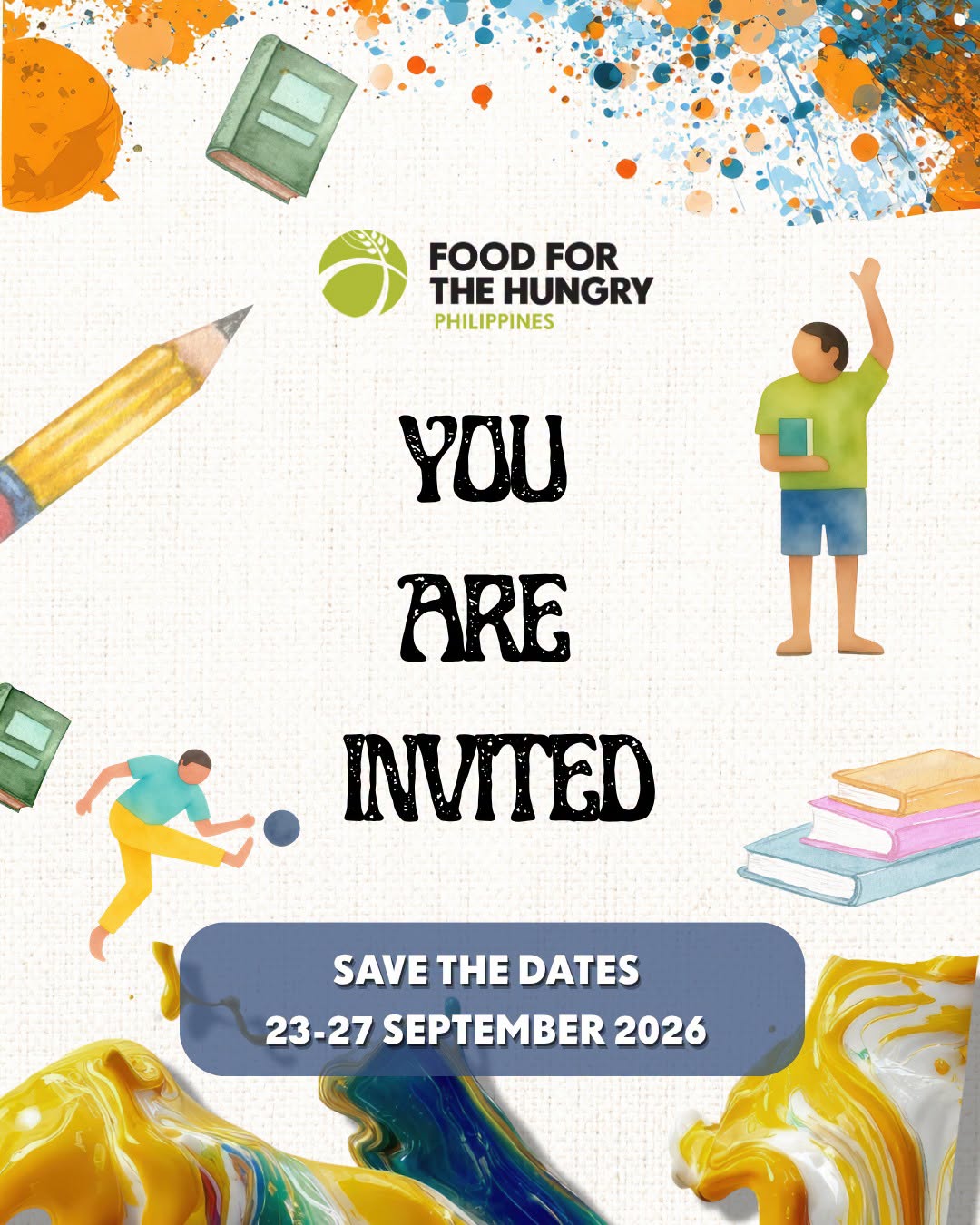
This September, Food for the Hungry Philippines invites art enthusiasts, philanthropists, education advocates and the public, to experience Abakada ng Pag-asa: Giving Hope Through Art, a five-day art exhibit that brings together 11 seasoned watercolorists in solidarity with talented children from vulnerable communities to garner education support for 190 young learners in far-flung schools in Leyte and Samar, while further raising awareness on the learning crisis in the country.
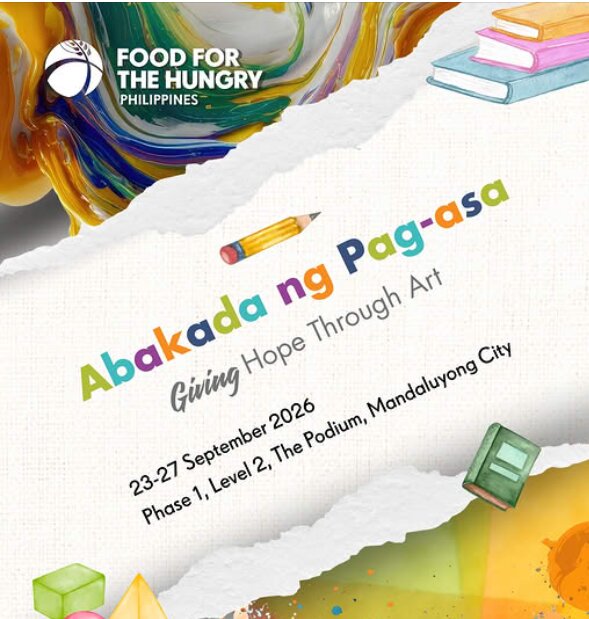
The exhibit will be held at Phase 1, Level 2, The Podium, Ortigas Center, Mandaluyong City from September 23-27, 2026.
All proceeds from the exhibit will help fund the training, materials, and resources needed to deliver Teaching at the Right Level (TaRL), enabling struggling Grade 2 and 3 learners develop the foundational literacy and numeracy skills they need to succeed in school and in life.
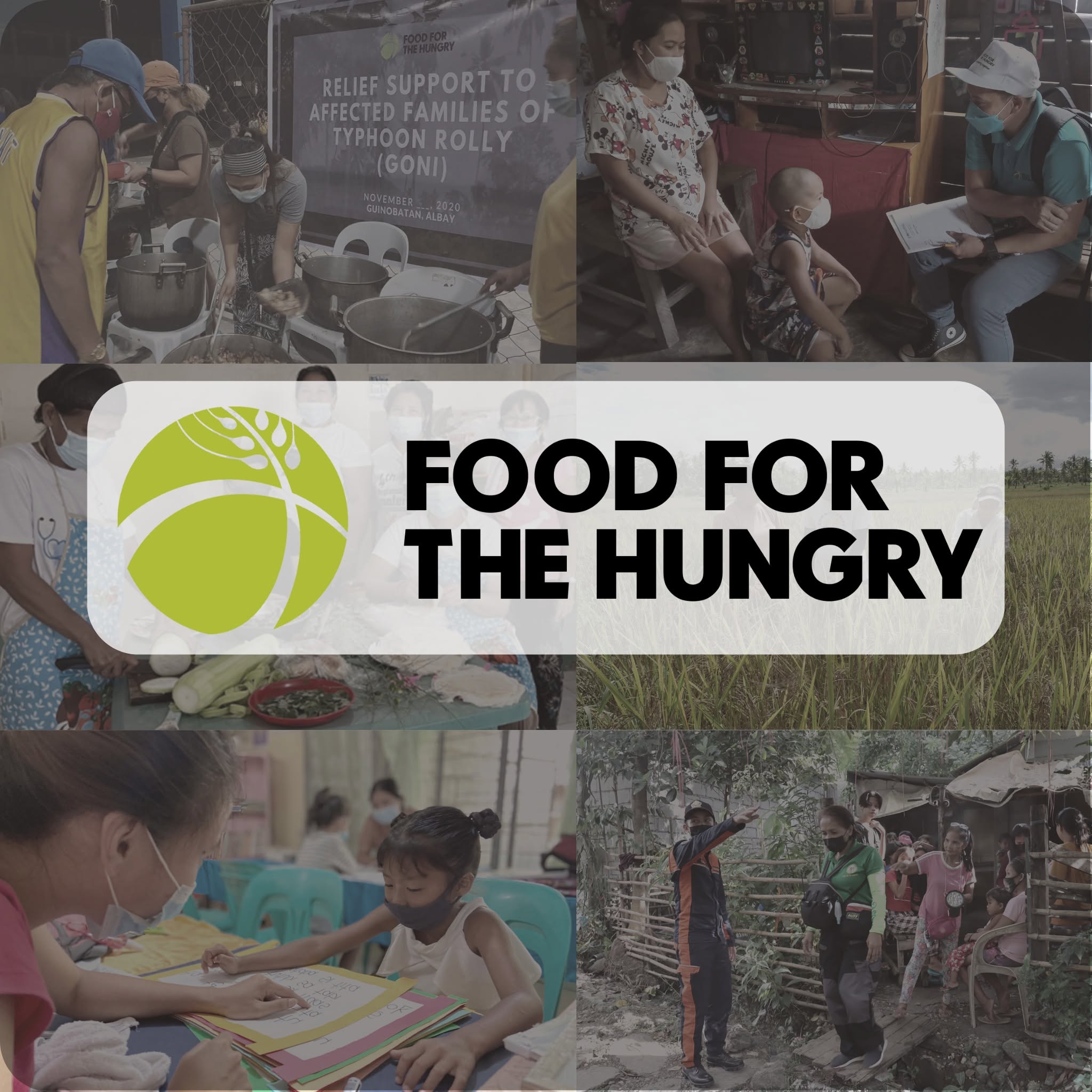
TaRL is among Food for the Hungry Philippines’ responses to combat learning poverty. It is based on a simple idea: children learn best when they are taught according to what they know and can do, not simply their grade level.
Last year, the Department of Education reported over 300,000 learners requiring urgent reading interventions in Region VIII alone. Left unaddressed, learning gaps can set these children on a path of missed opportunities, making it harder for them to complete schooling, find decent jobs, and break out of the cycle of poverty for their families.
Philippine Statistics Authority data already shows that two out of five individuals in Eastern Visayas are functional illiterate— the second lowest when it comes to functional literacy among 18 regions in the country.
Rowena Mendoza, Country Director of Food for the Hungry Philippines, urges everyone to turn empathy into action. “Despite the many existing initiatives from the public and private sectors, we must continue working together until no child is left behind. Learning poverty remains a hard reality among many Filipino children and families. Through Abakada ng Pag-asa, we can be instruments that give hope through our talents and shared generosity,” Mendoza said.


