



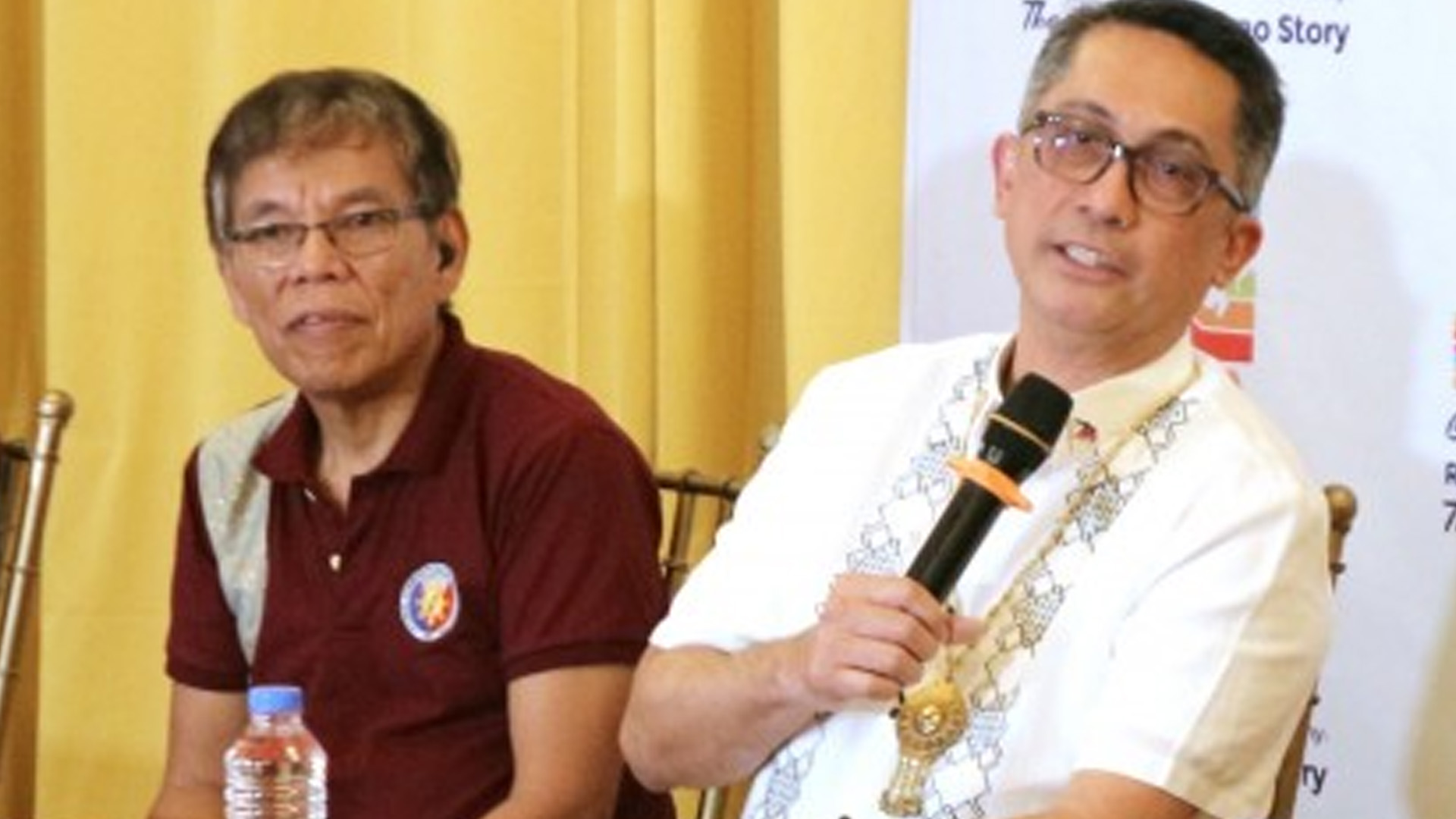







Carbon credits could significantly improve the lives of indigenous peoples (IPs) in the Davao Region through the Payment for Ecosystem Services (PES), the National Commission on Indigenous Peoples in Davao (NCIP-11) said Wednesday.
In a press briefing here, NCIP-11 Regional Director Geroncio Aguio explained that carbon credits, part of PES, enable IPs to earn from maintaining ecological balance and reforesting their ancestral domains. Carbon credits create a market mechanism for companies, governments, and entities to trade greenhouse gas (GHG) emission reductions, promoting sustainable environmental practices.
“There are companies now engaged in carbon credits that have contracted some IPs in Davao Oriental to maintain ecology by planting high-value crops and providing financing,” Aguio said.
However, Aguio noted the absence of a regulatory agency for carbon credits in the Philippines. “The IPs are already benefiting from these developments, especially on idle domains, which are being restored to their natural state,” he added.
Meanwhile, Mindanao Development Authority (MinDA) Secretary Leo Tereso Magno affirmed President Ferdinand R. Marcos Jr.’s administration remains dedicated to establishing a robust and reliable carbon credit system.
Magno emphasized that the Philippines is well-positioned to harness opportunities in the global carbon market.
“With these efforts, we can look forward to a more sustainable and prosperous future for our nation, advancing our Bagong Pilipinas vision—where protecting communities and the environment aligns with inclusive economic progress,” Magno said.
Magno noted that while many countries have advanced carbon markets, the Philippines is still in the initial stages of crafting the legal and institutional frameworks to support such systems.
He pointed to significant progress, including the Department of Environment and Natural Resources (DENR) Administrative Order 43 issued in 2021, which established a carbon accounting, verification, and certification system for forest-based carbon sequestration projects.
In 2023, DENR Secretary Maria Antonia Yulo-Loyzaga spearheaded efforts to institutionalize the carbon credit system, resulting in the filing of House Bill 7705, or the Low Carbon Economy Bill. The bill aims to facilitate domestic carbon credit trading and strengthen the country’s participation in the global carbon market.
“The global surge in interest in carbon credits presents an enormous opportunity for our country, and we are moving in the right direction to seize it,” Magno said. (PNA)


