



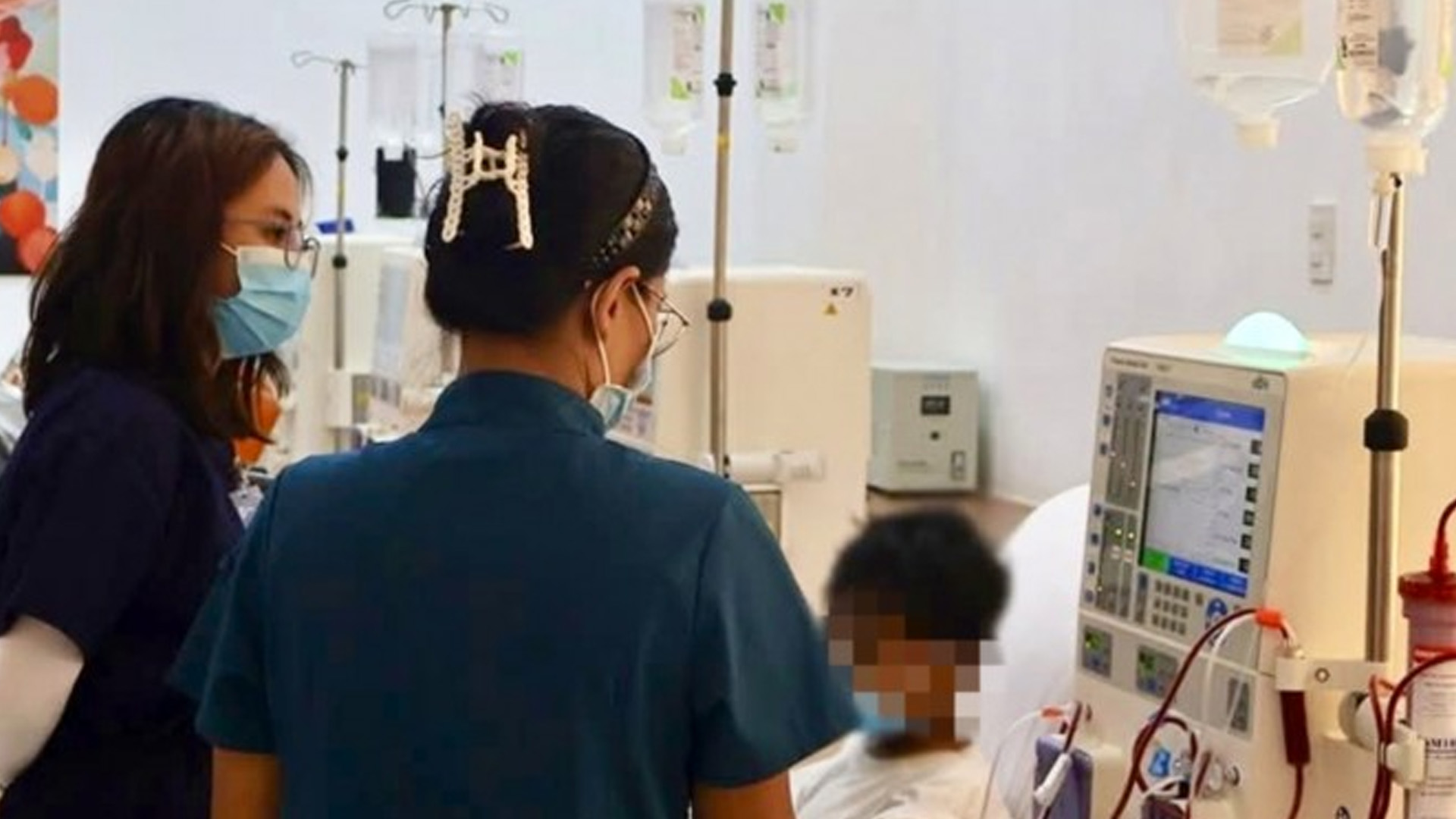







The Department of Budget and Management (DBM) announced Friday the release of around PHP27.4 billion to continue the implementation of the government’s Medical Assistance to Indigent and Financially Incapacitated Patients (MAIFIP) Program.
The DBM said the funding will help cover hospitalization, medicines, emergency treatment, professional fees, and other medical needs of indigent and financially incapacitated Filipinos nationwide.
The amount is chargeable against the Department of Health’s (DOH) regular budget under the 2026 General Appropriations Act.
The DBM said the released funds will support the funding requirements of Centers for Health Development (CHDs), DOH hospitals in Metro Manila and the regions, GOCC Specialty Hospitals, the University of the Philippines-Philippine General Hospital (UP-PGH), and Drug Abuse Treatment and Rehabilitation Centers.
Of the total release, the largest share of PHP19.145 billion will go to CHDs to support the delivery of medical assistance through partner local government hospitals, privately owned institutions, and other health facilities across the country.
Around PHP4.353 billion will be given to DOH hospitals in Metro Manila and the regions; PHP2.910 billion to the Lung Center of the Philippines, National Kidney and Transplant Institute, Philippine Children’s Medical Center, and Philippine Heart Center; PHP950 million to UP-PGH; and PHP52 million to Drug Abuse Treatment and Rehabilitation Centers.
DBM Acting Secretary Kim Robert de Leon said the release of PHP27.4 billion would ensure continued government support for patients and families struggling with the cost of hospitalization, medicines, emergency treatment, professional fees, and other healthcare needs.
De Leon emphasized that channeling the bulk of the funding through CHDs would help extend the reach of MAIFIP beyond major hospitals and bring medical assistance closer to patients in communities nationwide.
“Medical need does not recognize geography or income. Whether a patient is in Metro Manila or in the provinces, government assistance should be within reach,” he said.
“That is why the bulk of this funding will flow through our Centers for Health Development and partner facilities across the country, so that help is available closer to where our people actually live and seek treatment,” De Leon added.
The DBM said the funding will also support the implementation of eMAIFIP through the eGovPH superapp, pursuant to DOH guidelines and presidential directive and amid government efforts to make medical assistance more accessible through digital channels.
The DOH’s MAIFIP Program provides financial assistance for medical expenses to eligible applicants, including patients and those who are financially incapable, to ensure that no patient is denied access to essential healthcare services due to financial constraints. (PNA)


