










As the threat of El Niño raises concerns over water availability and agricultural production, farmers in Ilocos Norte are turning to collective action to sustain food production through a 320-hectare clustered farming initiative backed by the government.
Chonito Baldovi, Provincial High Value Crops Development Program coordinator of Ilocos Norte, told the Philippine News Agency on Tuesday the initiative benefits around 2,000 farmers across the province as they vowed to cultivate a wider area of farmland through coordinated agricultural activities, with the goal of improving productivity, maximizing available resources and strengthening the province’s food security.
Even before the threat of a “very strong” El Niño, Baldovi said clustered farming has been in practice by several farmers groups in the province.
“We have started distributing onion seeds for sowing to our clustered farmers. The other inputs will follow,” he said.
“The provincial government of Ilocos Norte allocates funds for this every year to protect farmers’ livelihoods and ensure that communities continue to have access to food despite the challenges posed by changing weather conditions,” he said.
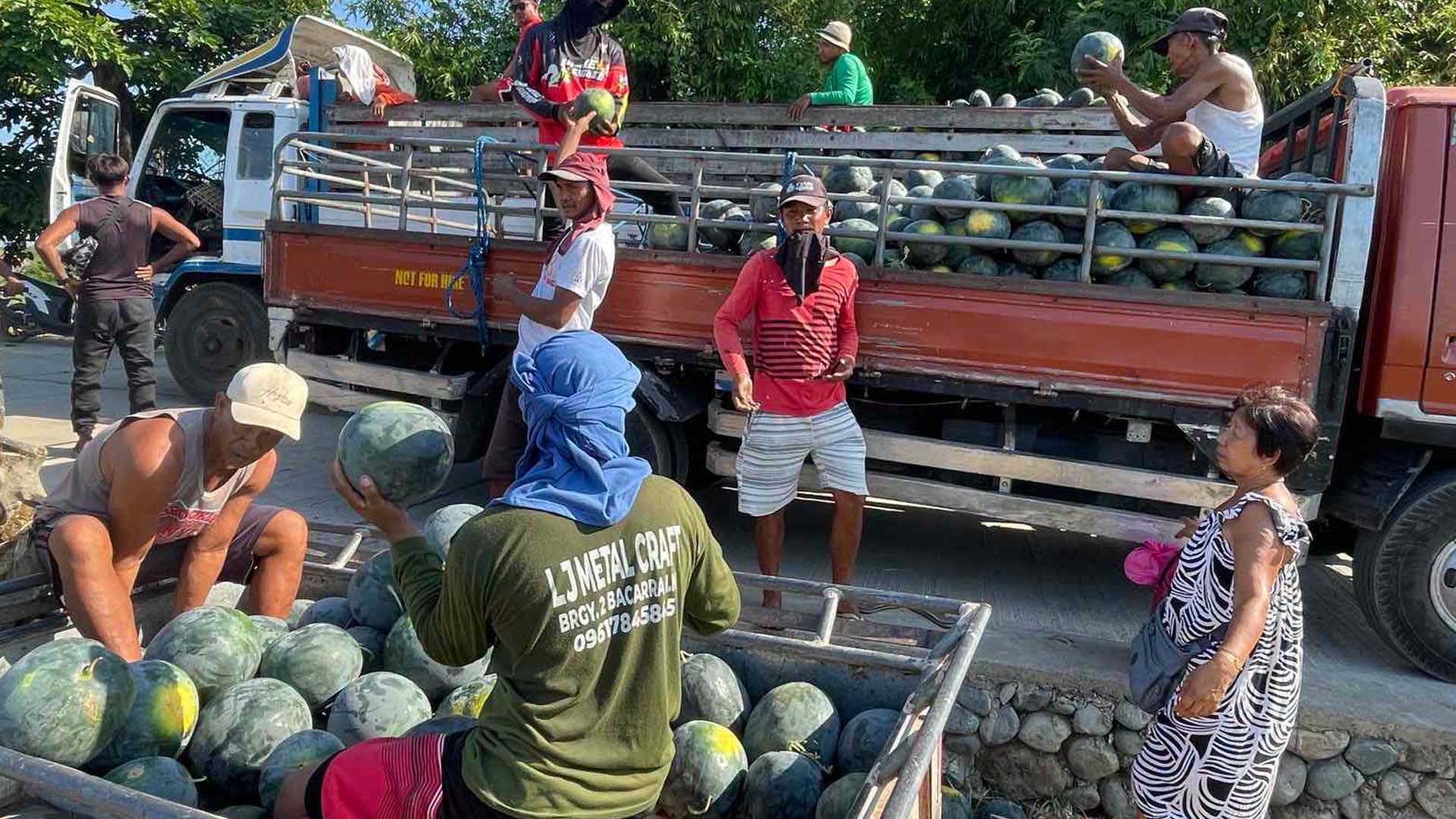
This year, the Ilocos Norte government has allocated around PHP27 million worth of assistance for farmers who are engaged in clustered farming. Priority crops include garlic production with 100 hectares, onion with 80 hectares, mango and watermelon with 50 hectares each, and mungbean and peanut with 20 hectares each.
Baldovi said for farmers, producing food has always required patience, hard work and a close understanding of the land.
But when prolonged dry spells threaten crops and water supplies become uncertain, even the most experienced farmers can face difficult decisions, he added.
Baldovi said clustered farming offers an approach that encourages farmers to work collectively rather than manage production entirely on their own.
By organizing a farmland into clusters covering 320 hectares this year, farmers can coordinate their activities and make better use of available agricultural resources. The approach also provides an opportunity for government agencies to deliver technical assistance and other support more efficiently.
Collective planning can help farmers coordinate planting schedules, share knowledge and adopt farming practices suited to local conditions.
When supported by appropriate technologies and reliable market access, agriculture stakeholders have said these efforts help farmers improve their earning potential and reduce some of the risks associated with agricultural production. (PNA)