



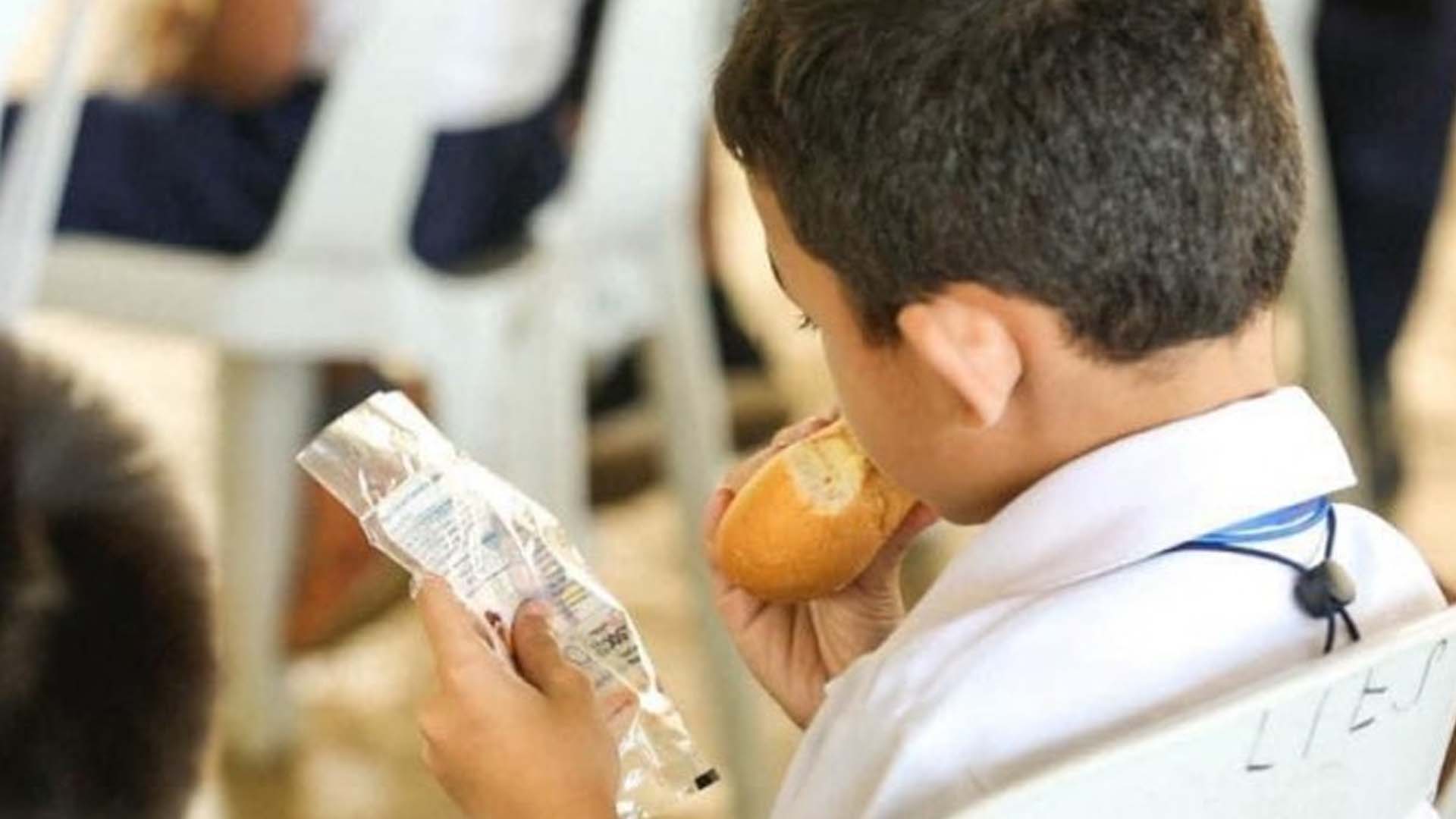






House Speaker Faustino “Bojie” Dy III on Monday said the latest government data showing a rise in child stunting across the country highlights the urgent need to enact the House-approved National Nutrition Program, a priority reform that seeks to expand nutrition interventions for Filipino children, mothers, and vulnerable sectors.
Dy said the findings of the Department of Science and Technology-Food and Nutrition Research Institute (DOST-FNRI), which showed that child stunting increased to 25.3 percent in 2025, validate the House of Representatives’ decision to prioritize House Bill (HB) No. 9466.
“The House prioritized this measure because we recognized that hunger and malnutrition are not only health issues –they are education issues, economic issues, and ultimately nation-building issues,” Dy, one of the principal authors of the measure, said in a statement.
The House approved HB 9466 on third and final reading before adjourning the First Regular Session early this June, recognizing that nutritional deprivation during a child’s formative years can have a lifelong impact on learning, development, and productivity.
“The latest data confirms what many educators, health workers, and community leaders have been warning us for years: we cannot hope to solve the learning crisis if we ignore the nutrition crisis,” he said.
“We cannot recover in high school what was lost during a child’s earliest years. That is why the House moved to strengthen and expand our national nutrition programs.”
HB 9466 seeks to transform Republic Act No. 11037, or the Masustansyang Pagkain Para sa Batang Pilipino Act, into a broader National Nutrition Program that covers all learners from Kindergarten to Grade 3, undernourished learners from Grades 4 to 12, nutritionally at-risk pregnant learners, children with disabilities, indigenous learners, and other vulnerable sectors.
The measure also strengthens maternal nutrition interventions, micronutrient supplementation, milk feeding, sanitation and hygiene programs, nutrition education, and support for local farmers and fisherfolk.
Dy said the bill reflects a broader principle that has guided the House in advancing social legislation.
“Government services must reach people where the need is greatest. When a child goes to school hungry, that is not simply a nutrition problem. It affects classroom performance, educational outcomes, and future opportunities,” he said.
“Kung seryoso tayo sa pagpapabuti ng kalidad ng edukasyon, kailangan din nating seryosohin ang laban kontra gutom at malnutrisyon. Hindi maaaring paghiwalayin ang dalawang ito (If we are serious in improving the quality of education, we also need to take the fight against malnutrition seriously. We cannot separate these two issues).”
Dy also expressed support for Second Congressional Commission on Education’s (EDCOM 2) call for stronger coordination among government agencies, local government units, schools, healthcare providers, and communities, saying nutrition reform requires a sustained whole-of-government effort.
The proposed National Nutrition Program is among the priority measures identified by President Ferdinand R. Marcos Jr. in Proclamation No. 1318, calling Congress to a special session on June 17.
The President included amendments to the Masustansyang Pagkain Para sa Batang Pilipino Act among the measures for urgent consideration, alongside proposals on education, healthcare, and social protection. (PNA)


