



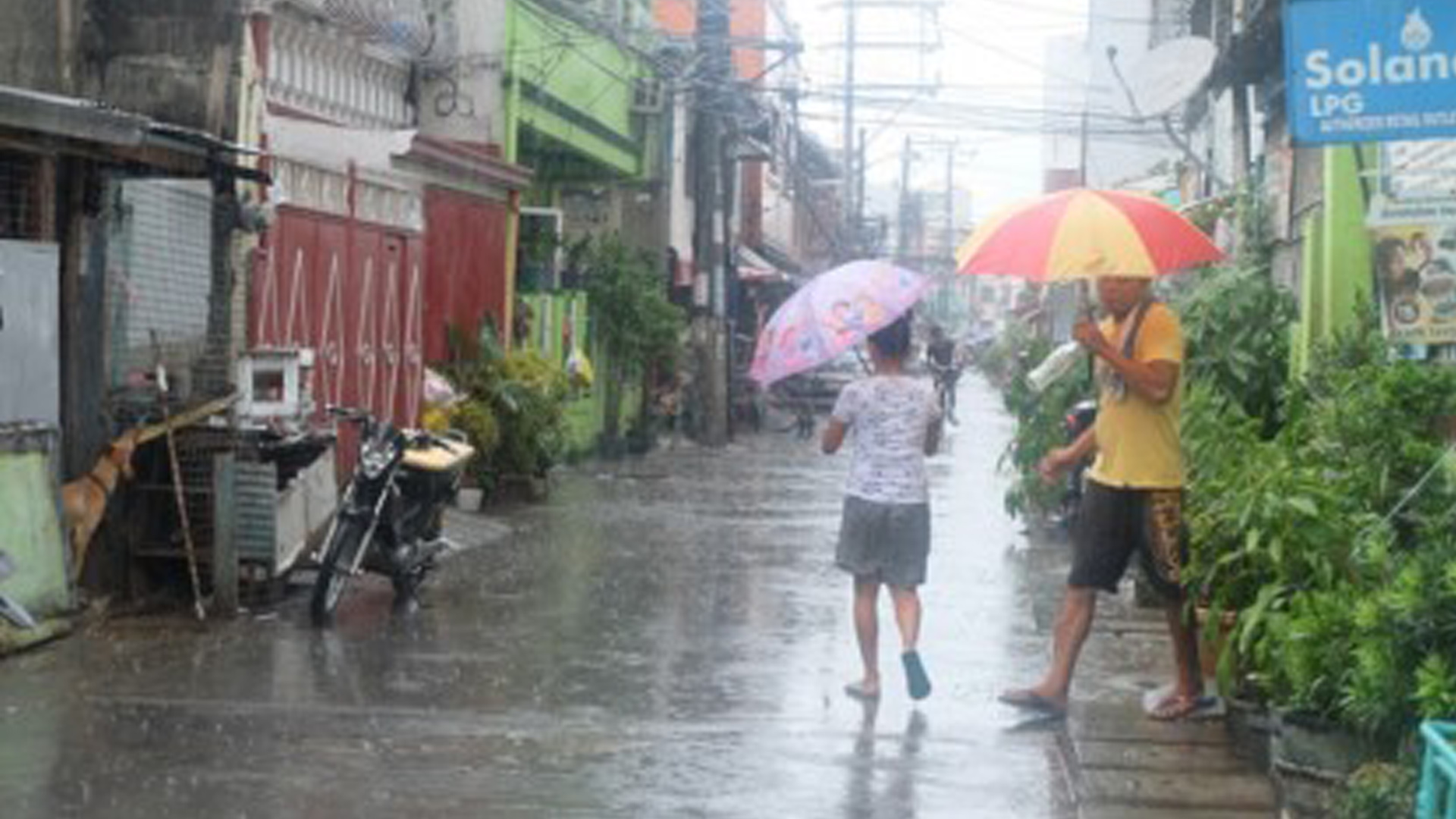






An official from the Philippine Atmospheric, Geophysical and Astronomical Services Administration (PAGASA) asked the public to be vigilant, as rains and tropical cyclones are expected in July and August.
“Kailangan maghanda dahil ngayong July, August, maraming bagyo. Dapat maunawaan natin ang forecast warnings ng PAGASA (We need to prepare as there would be many tropical cyclones in July, August. We must understand PAGASA’s forecast warnings),” said PAGASA officer-in-charge, Esperanza Cayanan, in a taped DOST Report aired online on Friday.
She said that below to near normal rainfall conditions would be experienced in the country from July to September, due to monsoon rains, intertropical convergence zone, low-pressure areas, thunderstorms, and tropical cyclones.
“There is more than 50 percent probability to experience La Niña towards the last quarter of 2020, so it’s more likely that we experience more rains from October to December,” she added.
Meanwhile, Cayanan said PAGASA has been testing and using the “Two-Week Tropical Cyclone Threat Potential” method developed by its researchers.
Through this method, PAGASA researchers could predict the likelihood of tropical cyclone formation one to two weeks in advance.
“Before, our monthly forecasts were based on statistics. With the new method, we could get information on the tropical cyclone’s location and direction in the first and second week,” she said.
Researchers are also using the tropical cyclone warning system of Taiwan’s Central Weather Bureau in using this method, she added.
Cayanan said PAGASA already tested this method in May, to track Tropical Depression “Ambo” (Vongfong), and the tracking of its location was good. (PNA)


