



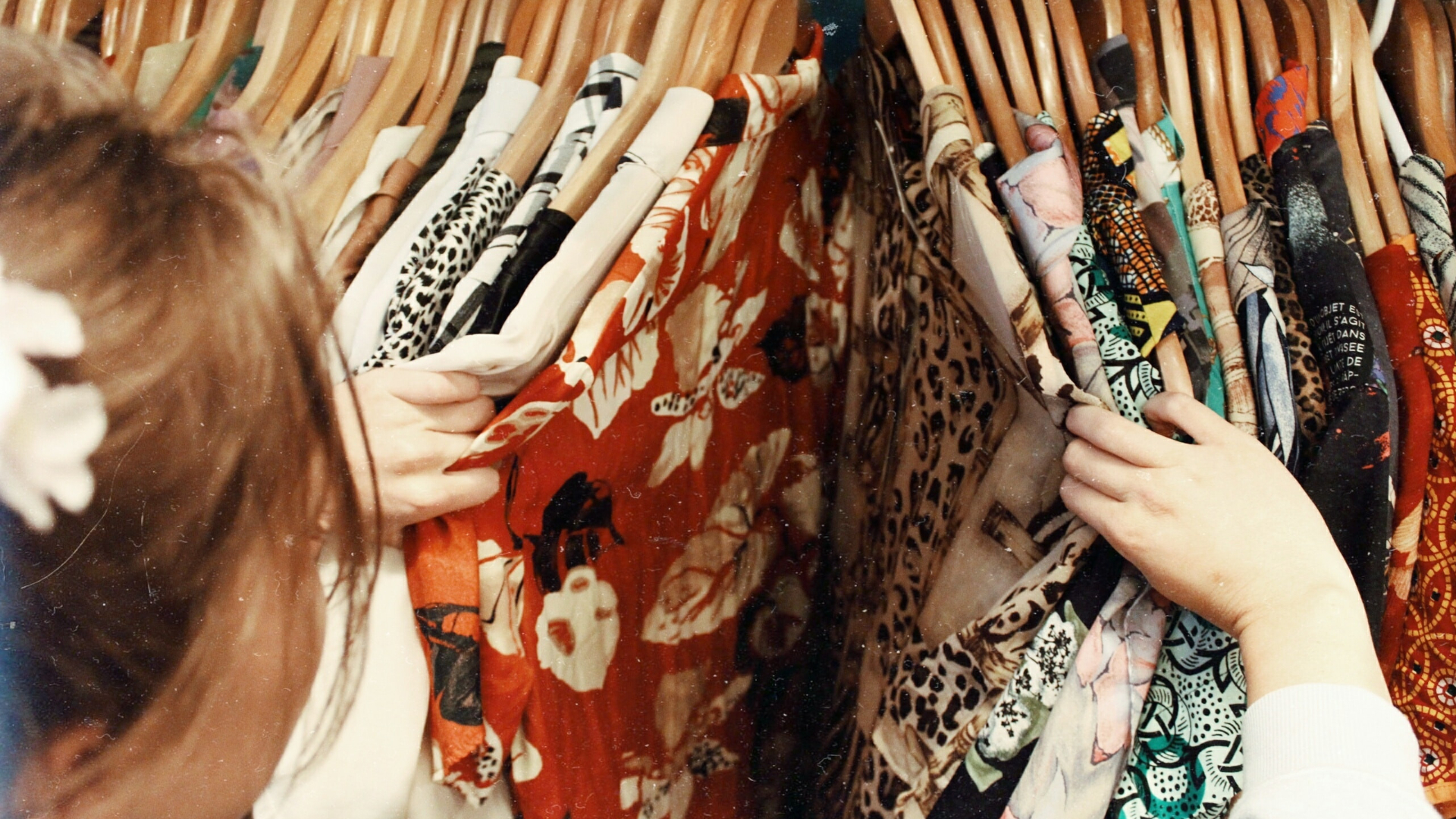







Fast fashion, the mass production of disposable clothing manufactured within a short period, cements the field as one of the most polluting industries in the world.
Designer and entrepreneur Roxoanne Bagano-Dizon of thriving wedding atelier Roxoanne Bagano Couture confirmed this phenomenon contributes a considerable amount to social and environmental damage.

“It exploits human labor, degrades local economies and pollutes nature,” she explained. “While the traditional model involves raw materials, fast fashion utilizes synthetic and low-quality alternatives created rapidly.”
Bagano-Dizon, an educator under the Fashion Design and Merchandising (FDM) Program of the De La Salle-College of Saint Benilde (DLS-CSB) School of Environment and Design (SED), likewise expounded on the importance of sustainable fashion in this issue.
“It is designing, generating and distributing clothing with ethics in mind,” she stated. “Adopting this approach to both production and consumption can help reduce our footprint and lessen our impact on society.”
Bagano-Dizon, who is currently pursuing her master’s degree in International Business, likewise stressed the crucial role of end users in this endeavor.
To guide the general public to contribute to this movement, the expert listed the conscious choices one can consider beginning from their own wardrobes:
1. Shop smarter.
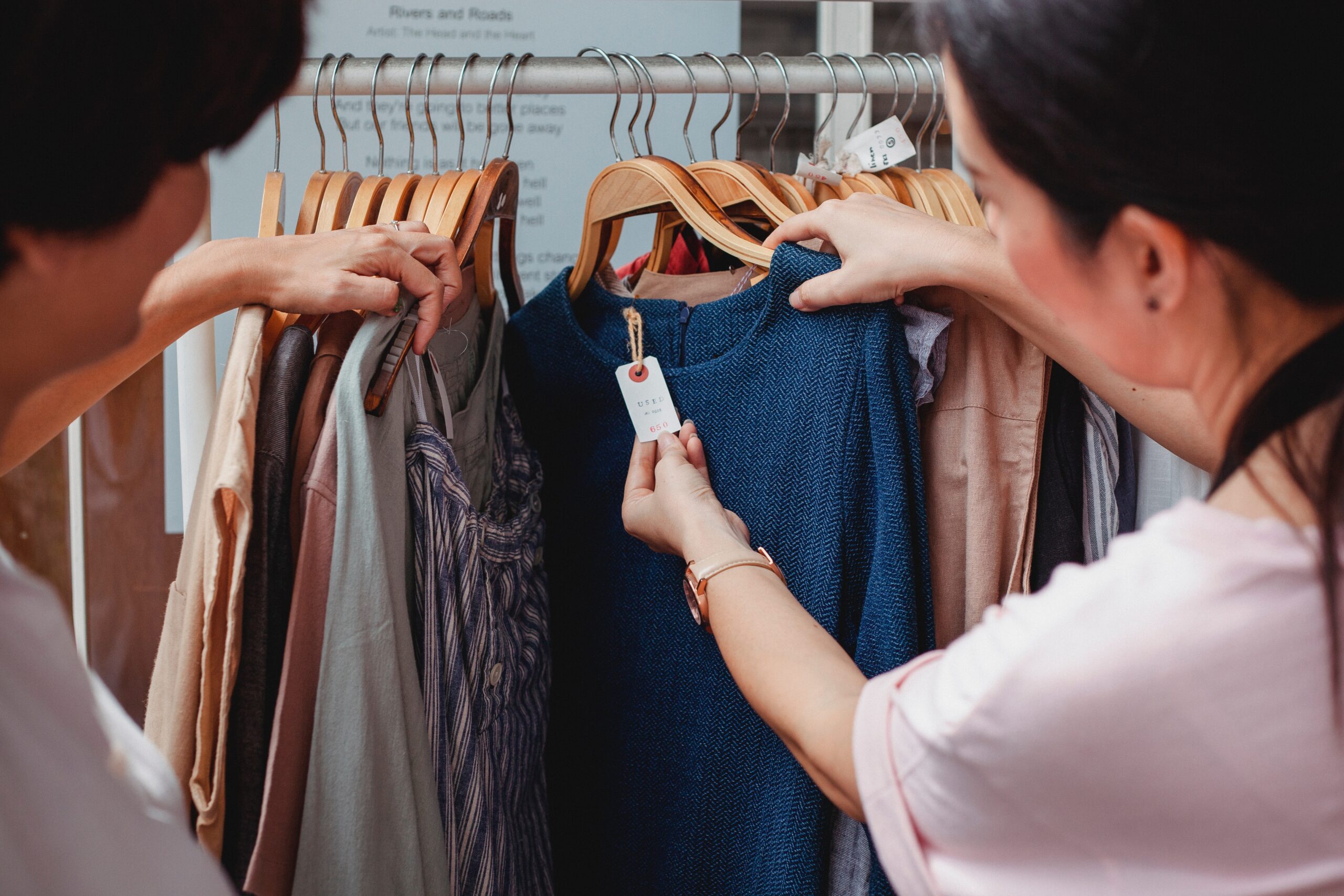
Before any purchases, ask yourself if you need it. Source from brands that adopt eco-friendly methods. Avoid clothes from synthetic materials. Choose organic, natural or recycled fibers.
2. Embrace minimalism.
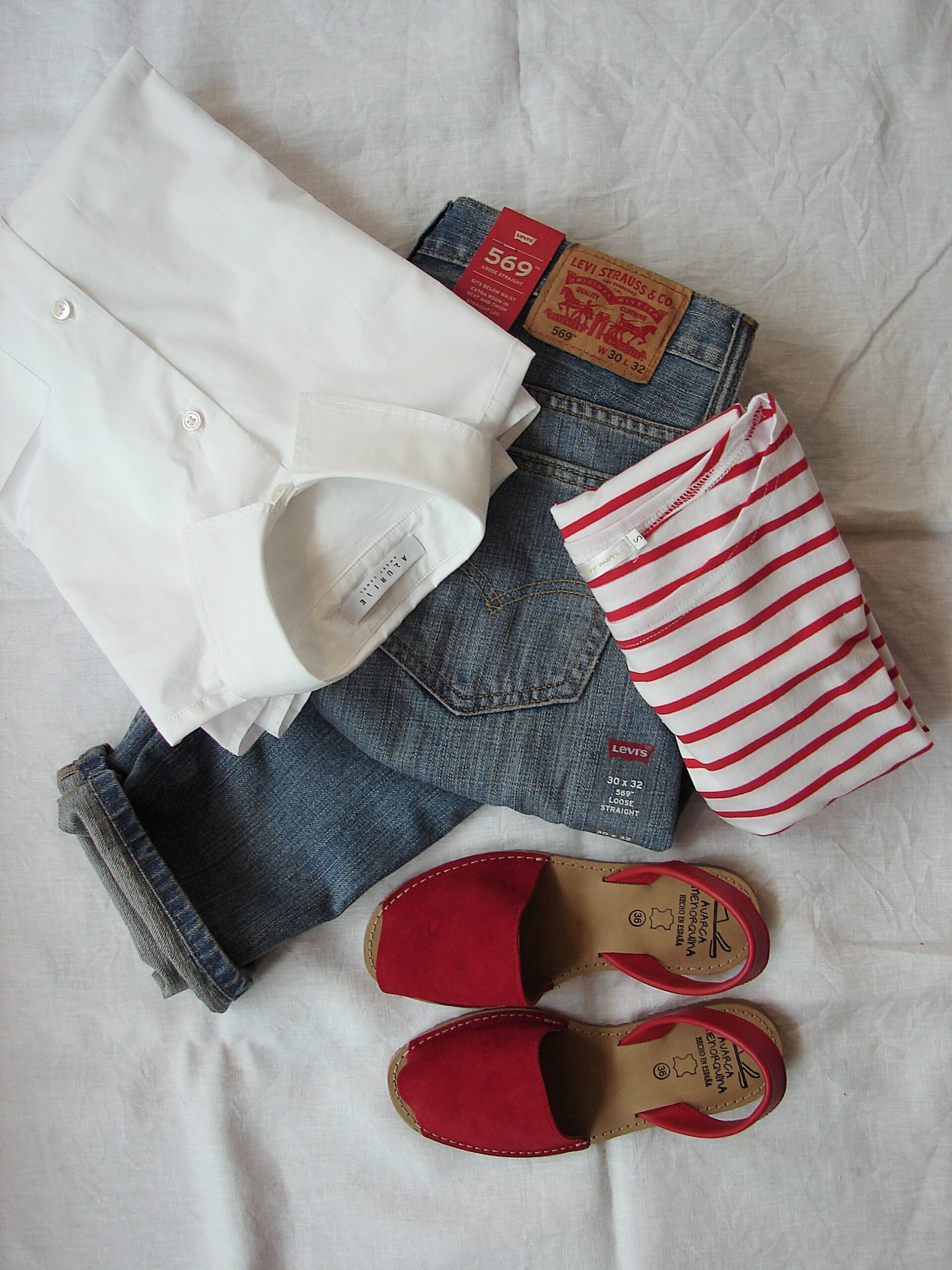
Do not buy impulsively. Invest in timeless pieces which you can wear for a long time. Try to avoid short-lived trends. Make do with what you have.
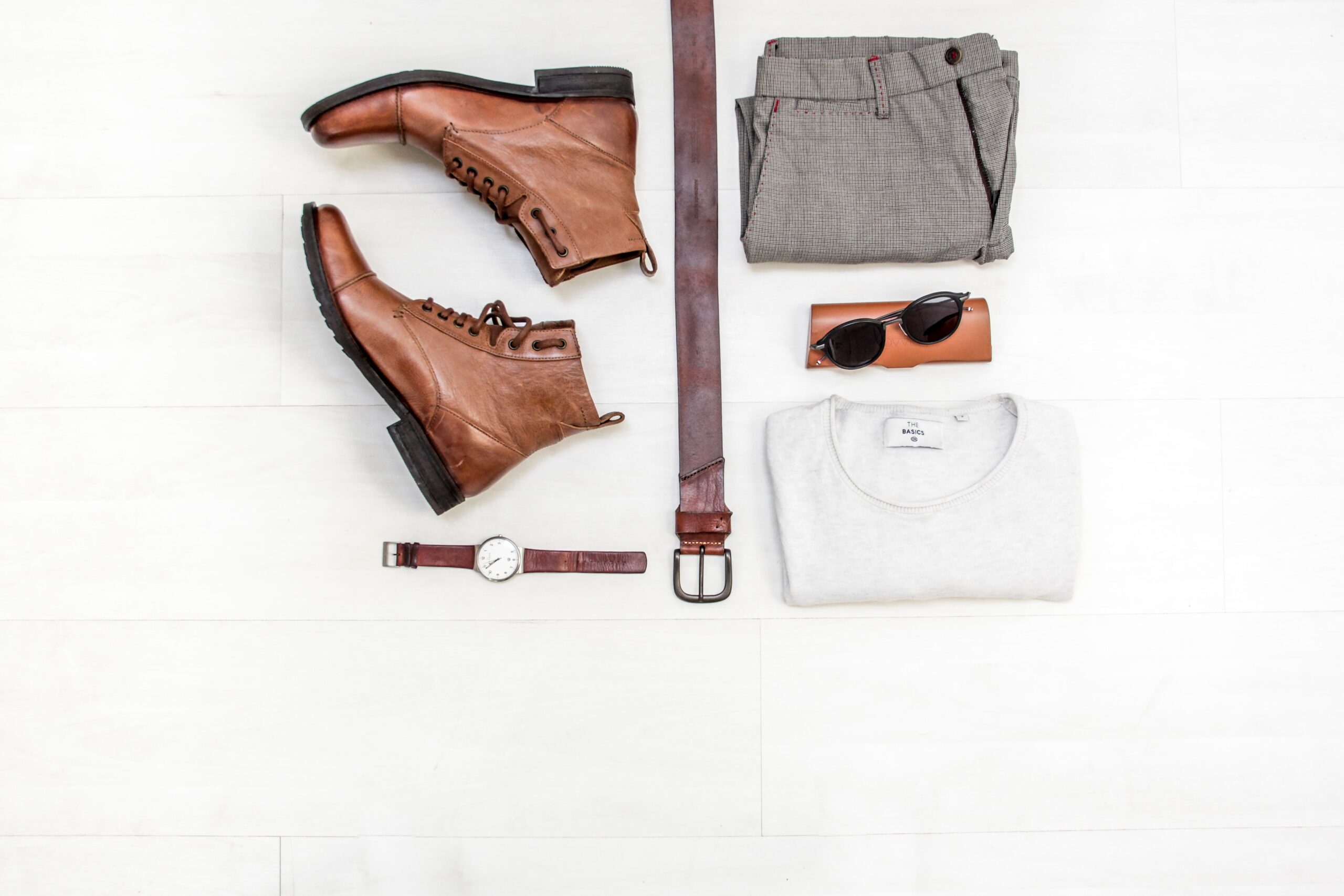
3. Thrift.

Go for second-hand or consignment stores. You may find affordable and unique items. Consider swapping clothes with friends. You likewise divert clothes from landfills.
4. Rent.
Rent for special events. There are many online options for formal attire, designer accessories and even everyday wear. It likewise allows you to don outfits you cannot afford to buy.
5. Care.
Practice good clothing care habits. Wash in cold water, use eco-friendly detergents and air-dry. Follow the instruction label and avoid excessive laundering.


