









More than 5,000 household beneficiaries of the Pantawid Pamilyang Pilipino Program (4Ps) in Antique are ready to graduate before 2024 ends.
Pantawid Provincial Link Jeffrey Gabucay, in an interview on Tuesday, said the 5,378 beneficiaries, out of the 6,977 target households, were assessed to be self-sufficient with a source of income and have children who already graduated from college.
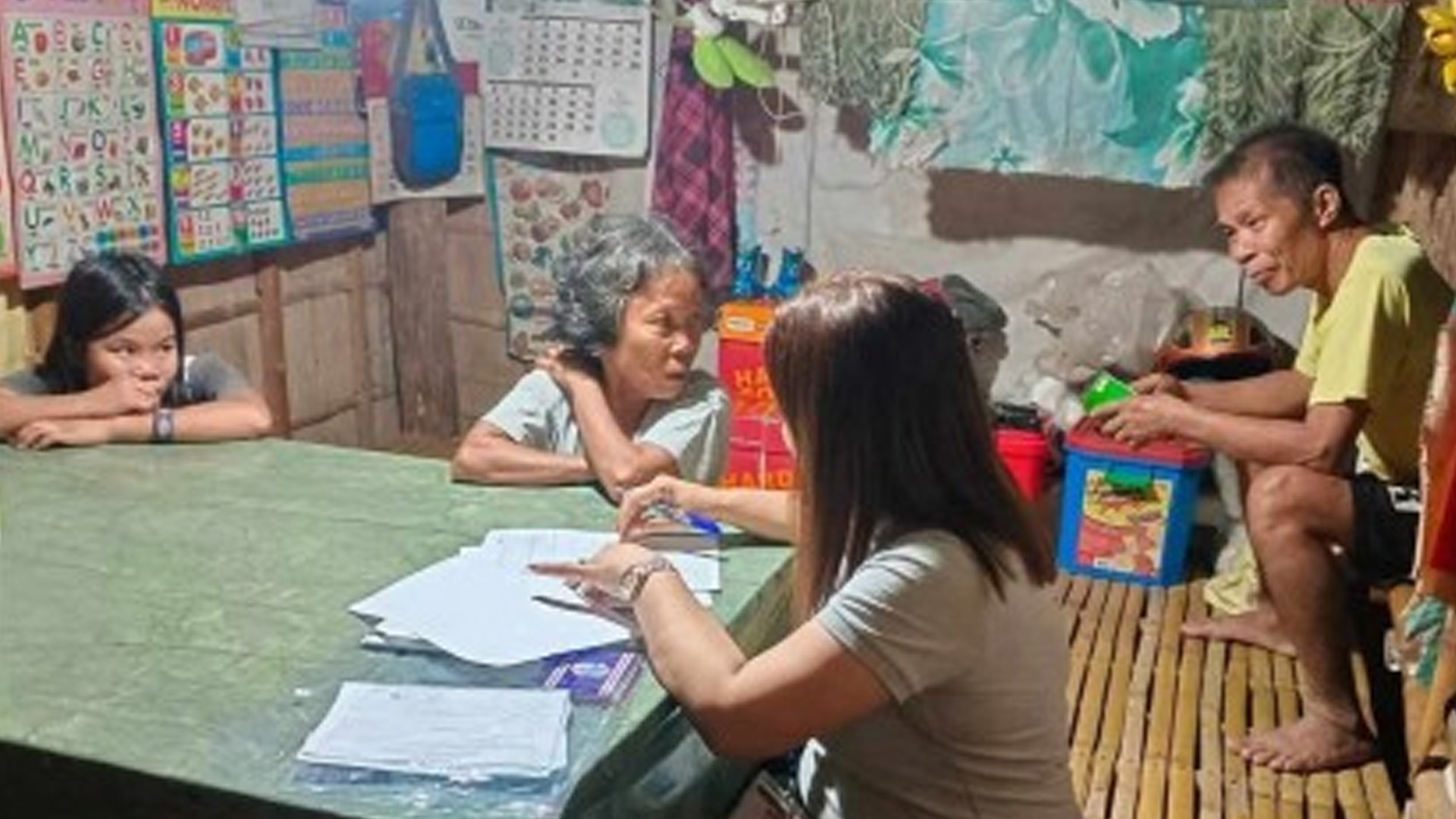
“We started to conduct the assessment using the Social Welfare and Development Indicators (SWDI) tool to find out the readiness of the beneficiaries to exit the program second quarter of this year,” Gabucay said.
He said the assessment would be held until the end of November but the tentative ceremonial graduation of the beneficiaries will be in the first week of December.
Gabucay said they are now closely coordinating with the local government units (LGUs) and other national government agencies (NGAs) to ensure they can provide proper interventions to the beneficiaries as part of the preparation for the exit.
“The LGUs’ and NGAs’ interventions, such as the provision of livelihood are intended to make sure that the graduating beneficiaries will not backslide or that they could maintain their status as self-sufficient,” he said.
The exiting beneficiaries, he added, would be replaced by new households assessed as the poorest of the poor and needing the cash grants provided by the government. (PNA)


