



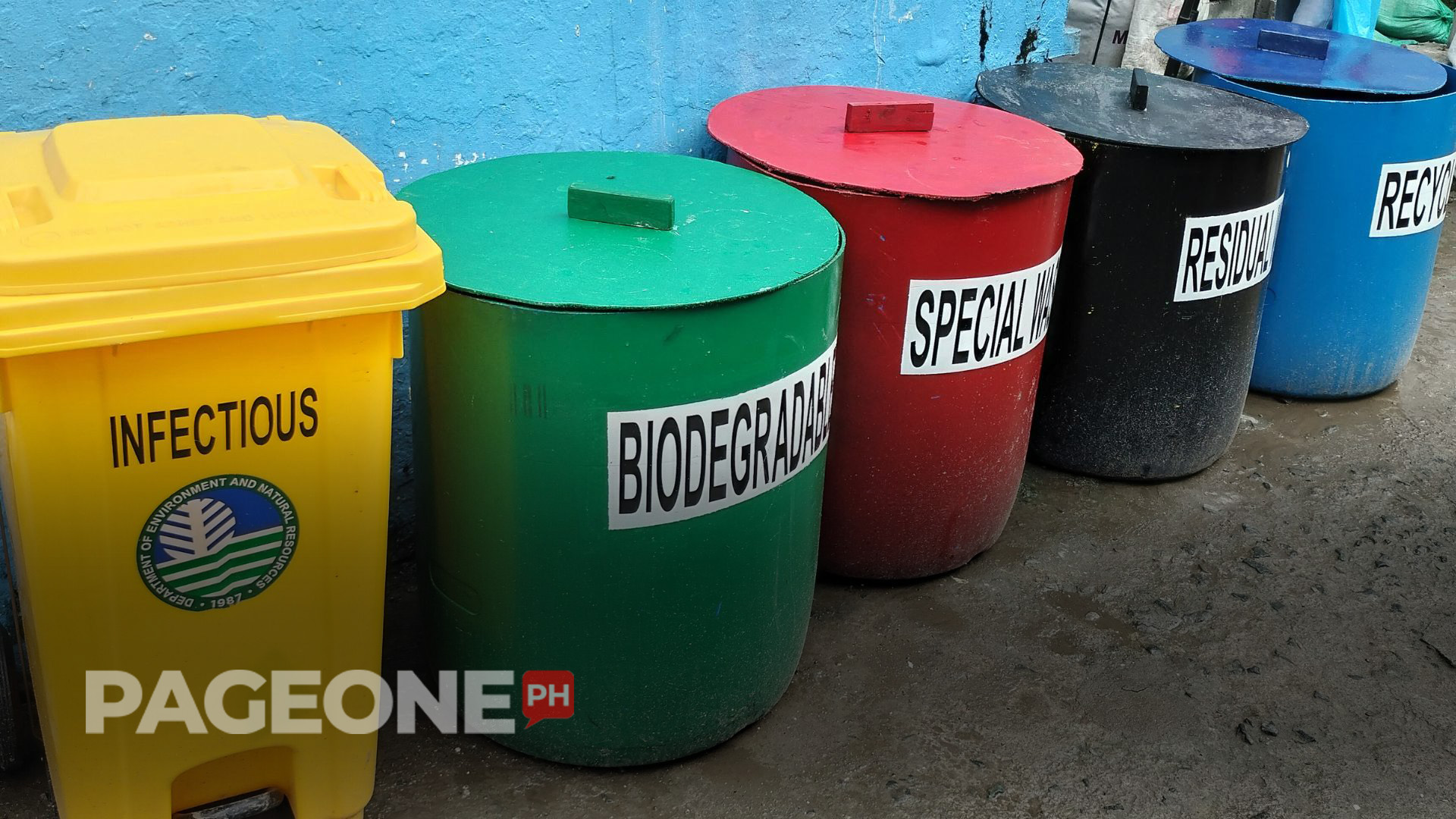







With close to 400 dead this year due to dengue, the EcoWaste Coalition appealed to the general public to properly manage their discards to prevent mosquito habitats in and around homes and communities.
The environmental health group likewise requested the country’s over 42,000 Barangay Councils to show leadership in mobilizing their constituents towards the spirited implementation of Republic Act 9003, or the Ecological Solid Waste Management Act, in every household, institution, establishment, and neighborhood.
RA 9003 requires the mandatory segregation of discards at source to facilitate the reuse, recycling and composting of resources in an ecological manner to “ensure the protection of public health and the environment.” Considered one of the country’s major environmental legislation, RA 9003 prohibits and penalizes “littering, throwing, dumping of waste matters in public places.”
“We appeal to the general public to mind their trash and avoid the reckless disposal of discards, which can collect water and serve as breeding sites for dengue-causing mosquitoes,” said Ochie Tolentino, Zero Waste Campaigner, EcoWaste Coalition.
Plastic bags, bottles and cups, bottle caps, tin cans, broken appliances, used tires and other discarded stuff can collect water where Aedes aegypti mosquitoes can lay their eggs and multiply.
“We request all the Barangay Councils and Barangay Ecological Solid Waste Management Committees to take the lead in educating and mobilizing their constituents about the eco-friendly and healthy way of managing discards to prevent dengue and other diseases,” Tolentino said.
“We can succeed in eliminating dengue vectors if family and community members will do their share in removing mosquito breeding sites and in keeping our surroundings waste-free,” she added.
Toward a dengue-safe barangay, the EcoWaste Coalition encouraged all citizens to heed these eco-reminders:
– Segregate discards at sources and keep non-biodegradables dry and clean.
– Clean all areas, especially those with standing water, which can serve as breeding grounds.
– Clear blocked roof gutters of leaves and other debris.
– Cut or puncture tires used as roof support to avoid collecting water.
– Turn over, store in a dry place or dispose of containers that may collect water.
– Cover water drums, pails and tanks with lids or mosquito-proof mesh.
– Empty and clean water containers thoroughly once a week.
– Clean pet water bowls regularly.
– Change water in flower vases weekly.
– Clean plant pots that may harbor mosquitoes.
– Remove water from pot plates every other day.
– Loosen soil in potted plants to prevent water from stagnating on the surface.
The EcoWaste Coalition also reminded the public to avoid unregistered anti-mosquito products such as coils and insecticides as these products may pose health and environmental risks.


