









Tala Champions Digital Financial Inclusion For The Global Majority By Turning Access To Opportunities For Growth

Financial access alone is not enough. A new Atlantic Council report highlights that three billion adults still struggle to fully use formal financial services despite owning accounts and digital devices.

When Memes Become Accountability: How FTTM Learned It Had Power, Not Just Reach

Memes in the Philippines travel faster than traditional headlines, and FTTM recognizes how every post can create impact beyond simple online reactions. #PAGEONESpotlight_MarkAnicas #PAGEONESpotlight_FTTM #PAGEONESpotlight_FollowTheTrendMovement

PAGEONE Group Executives Named Jurors For Prestigious Asia Pacific Stevie Awards

Four PAGEONE Group executives join the Asia Pacific Stevie Awards jury, highlighting rising Philippine leadership in global communications.

FTTM’s Process: Speed On Screen, Precision Behind The Scenes

FTTM’s humor may feel instinctive, but behind it is a disciplined system built on listening, verification, and responsibility. #PAGEONESpotlight_MarkAnicas #PAGEONESpotlight_FTTM #PAGEONESpotlight_FollowTheTrendMovement
X

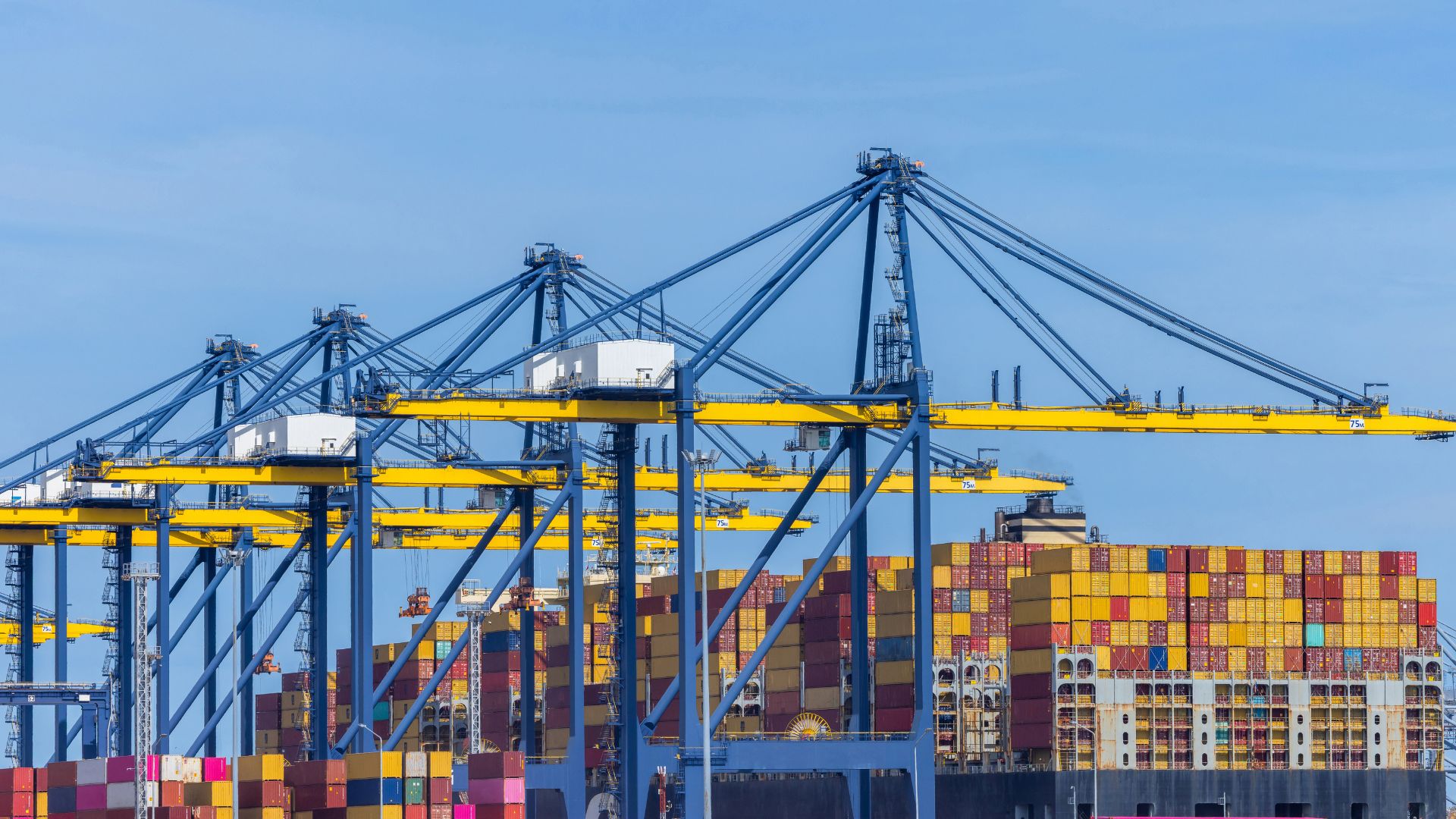
The Philippines Misses The Manufacturing Supply Chain Boom

Southeast Asia’s manufacturing sector is booming, but the Philippines has yet to secure a strong position in the regional supply chain.

The Philippines Misses The Manufacturing Supply Chain Boom

1653
1653

How do you feel about this story?

Like
Love
Haha
Wow
Sad
Angry

Southeast Asia is fast becoming a global manufacturing hub, but the Philippines is lagging behind. Between 2020 and 2024, greenfield investments in supply chain-driven manufacturing across ASEAN rose by about twenty percent to forty-one billion dollars.

Thailand, Malaysia, and Viet Nam now dominate the production of semiconductors, electronics, and electric vehicles. These countries have been able to attract large-scale projects because of efficient logistics, a stable energy supply, and strong industrial policy.

The report noted that the Philippines has yet to capture a significant share of this momentum. Although the country has established special economic zones in Clark, Subic, and Batangas, logistical bottlenecks, high electricity prices, and inconsistent regulatory enforcement discourage investors.

According to the ASEAN Secretariat, the Philippines must shift from consumption-led growth toward production-based integration. This means building local supplier networks, improving port infrastructure, and linking small enterprises to global production chains. Without these measures, the report warned, the Philippines will remain on the sidelines of ASEAN’s manufacturing resurgence.

