










Senator Imee Marcos emphasized on Thursday the urgent need to incorporate funding for green infrastructure in the 2025 budget to effectively tackle typhoon and flooding issues.
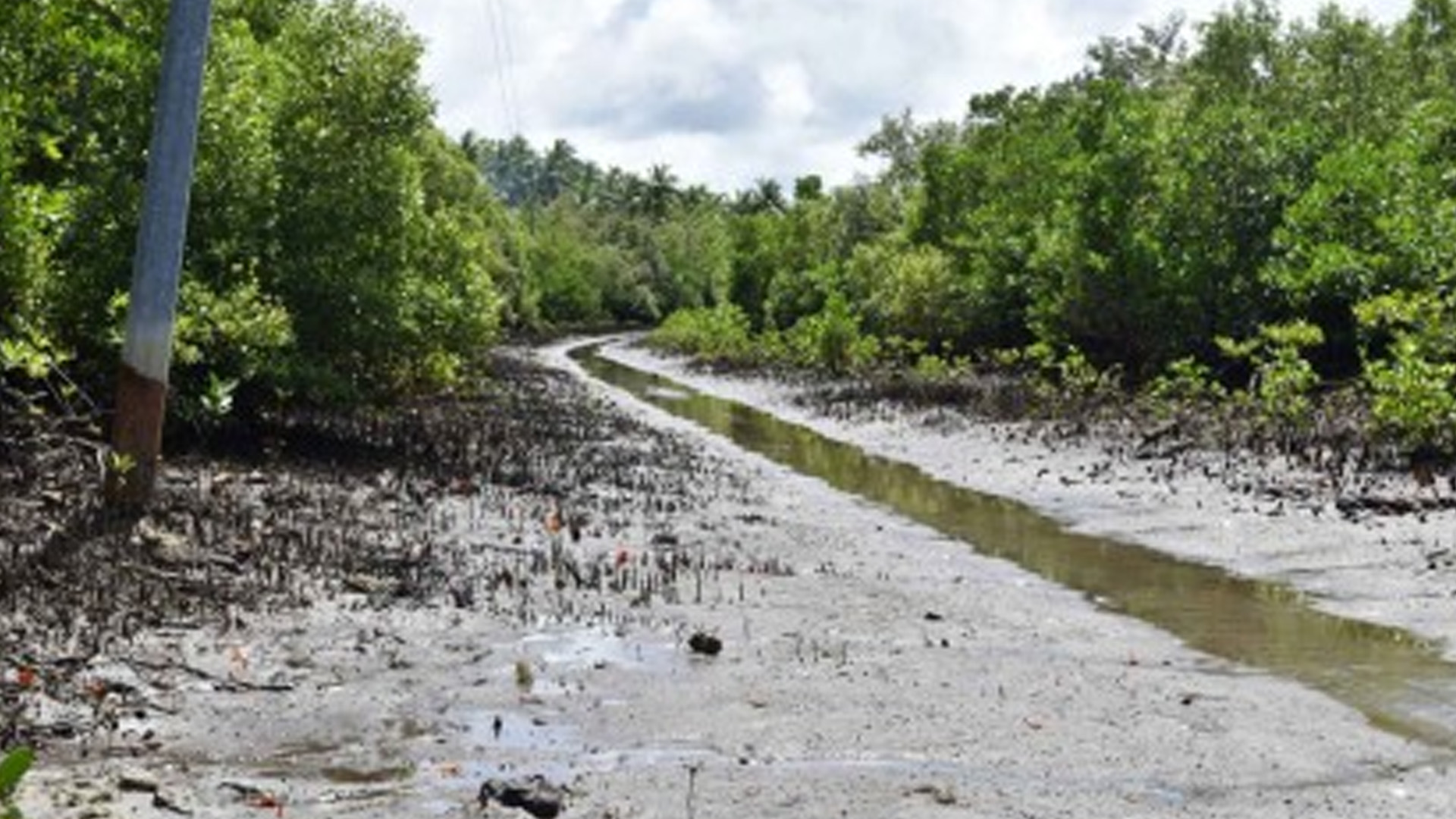
Marcos is proposing simple community-level solutions, such as expanding mangrove forests, planting indigenous “bayog” (a bamboo species), and using gabions along riverbanks.
“Let’s start with simple solutions at the community level, such as expanding mangrove forests and planting indigenous bayog or Bambusa spinosa, which the ancient Filipinos used for housing, and gabion, along riverbanks,” she said in a news release.
The senator also suggested replacing cement with permeable materials and constructing a pilot “sponge city” model to absorb heavy rainfall, drawing inspiration from flood-prone areas in China and India.
“The budget is always focused on gray infrastructure, purely concrete structures, but we can’t deny that these materials are not permeable and can’t absorb rainwater,” Marcos pointed out.
“We need to invest in solutions like vertical parks, rooftop gardens, and void decks. The climate is deteriorating at a faster rate than anyone expected, it’s time to fund green spaces even in urbanized zones. No doubt very costly would be the huge underground cistern city centers, such as those found in Amsterdam and Singapore. But far more expensive would be the lives, businesses, and homes that would otherwise be destroyed.”
Despite the significant infrastructure budget of PHP1.28 trillion for 2025, Marcos cited the importance of prioritizing green infrastructure over traditional concrete structures.
The Philippines’ vulnerability to disasters, as recognized by the United Nations, further underscores the necessity of these measures, she said. (PNA)


