



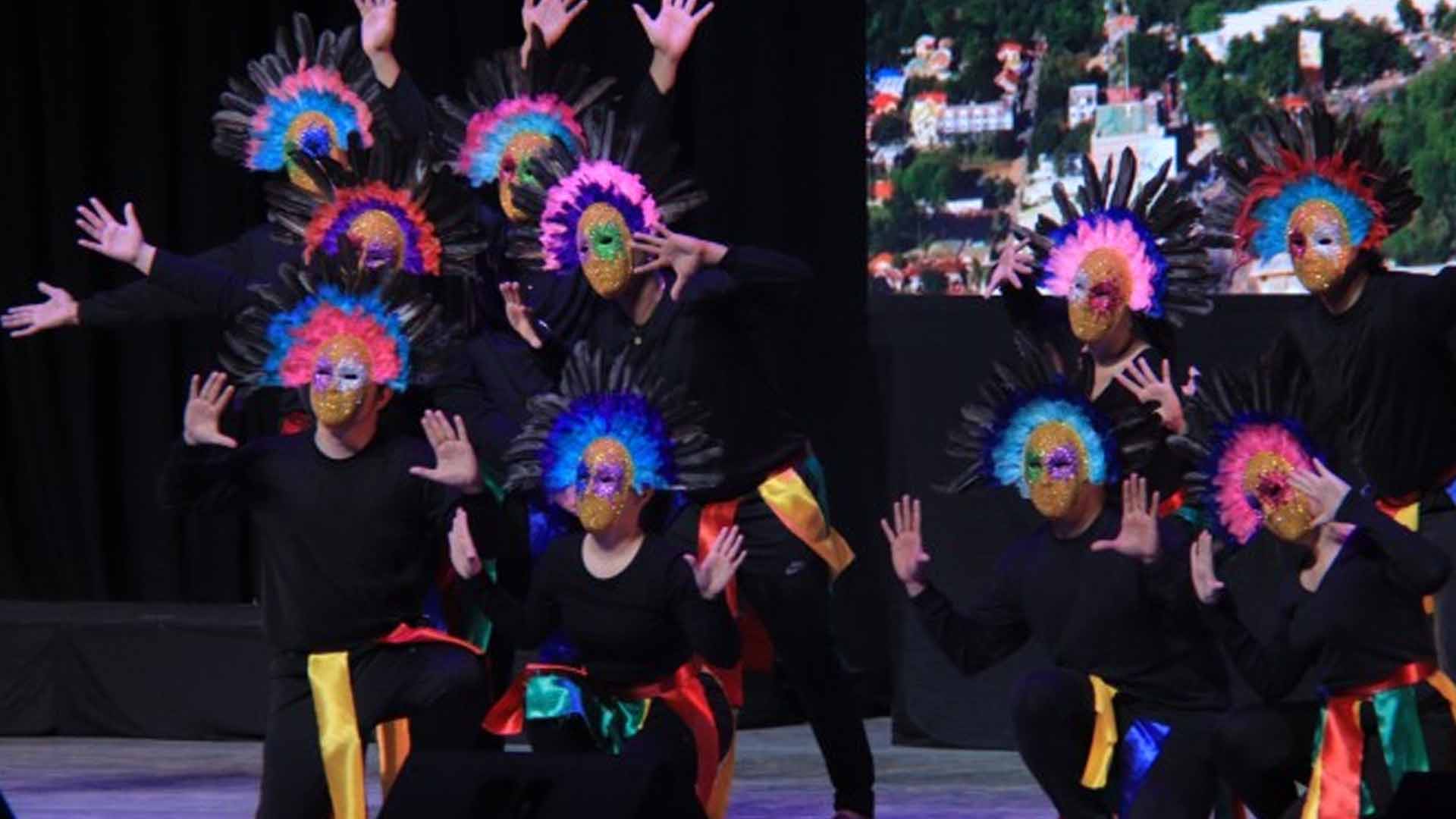






There is a need to amend Republic Act 10066 or the National Cultural Heritage Act of 2009 to integrate cultural mapping and living traditions from the community level up to the branches of the national government.
Senate President Pro Tempore Loren Legarda, chair of the Committee on Culture and the Arts, led a hearing on Tuesday to tackle various bills that seek to strengthen the protection and conservation of the Philippine cultural heritage.
Legarda emphasized the importance of a cultural education program because it will give meaning to what being a Filipino means.
“We believe that this is one step in our goal of harmonizing our diverse identities and building a nation that is rich and proud,” she said during the hybrid hearing. “I believe that culture is the narrative that binds us as a nation, and it is something we owe to our ancestors and heroes who built the Philippines as it is today.”
Sen. JV Ejercito lamented that Filipinos lack a love of history, culture and heritage.
“There are significant in strengthening patriotism and our identity as Filipinos,” he said.
Dr. Ivan Henares of the University of the Philippines-Asian Institute of Tourism agreed that there is a need to standardize cultural mapping procedures, especially among local government units (LGUs).
“While we have received a lot of cultural maps, there’s still a need for more training among our local government units in order to standardize our cultural maps,” he said.
Henares noted that the country has no definitive categories or inventories of its cultural assets.
“We don’t have an exact number. There has always been a debate as to what the exact number is and I think it is about time that we come up with a definitive list of all our cultural groups, languages, designations for cultural properties both tangible and intangible,” he said.
Henares proposed to grant every LGU the right to build their heritage sites or establish intangible heritage practices.
Legarda likewise proposed to include natural heritage to cultural mapping, saying many cultural communities are located in protected areas.
Among the measures tackled were Senate Bills No. 622 by Legarda, No. 117 by Senator Nancy Binay and No. 1094 by Senator Bong Revilla that call for the integration of cultural mapping and cultural heritage education program in the National Cultural Heritage Act; and Legarda’s No. 624 to establish an institute for living traditions and No. 242 to institutionalize cultural education in schools. (PNA)


