







Budget Secretary Amenah Pangandaman on Thursday emphasized the immediate need to help women fight “period poverty” by promoting menstrual health.
“Period poverty is something that we need to address urgently, even as we address other issues, such as financial literacy and financial inclusion of women,” Pangandaman, head of the Philippine delegation to the 68th annual Commission on the Status of Women (CSW68) in New York, the United States, said late Thursday night (Manila time).
Period poverty is the lack of access to menstrual products, hygiene facilities, and reproductive education that affects women globally, causing physical, mental, and emotional challenges.
Pangandaman said she would initiate a study to identify the causes and understand the gravity of period poverty in the Philippines.
She also sought a “whole-of-government” approach to address the pressing issues confronting women.
“This is something that we don’t really address in the Philippines because it’s almost taboo to even talk about it,” Pangandaman said. “But it’s a real problem – in fact, it’s a global community health dilemma – that affects women and girls.”
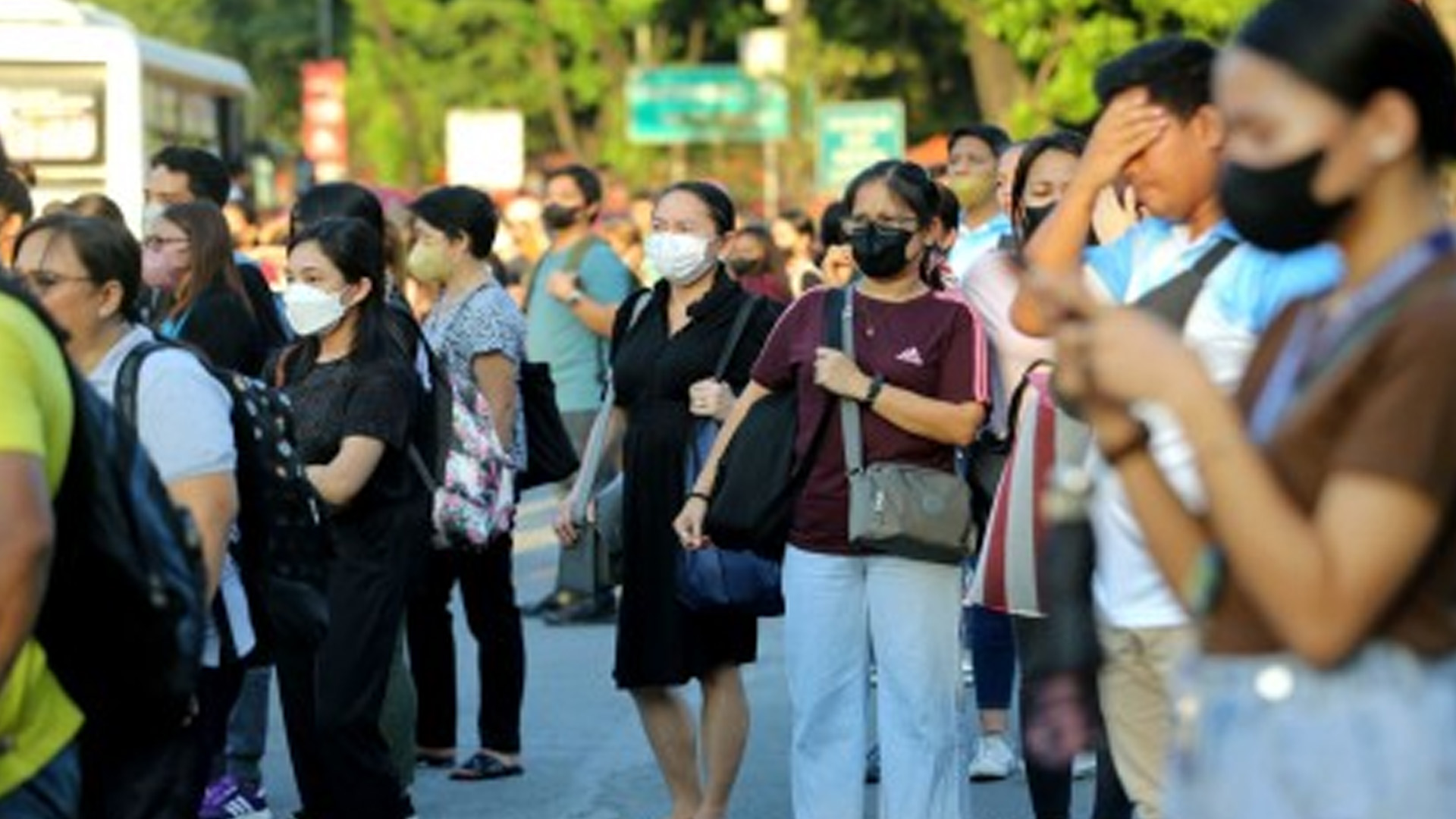
She said that considering that almost 50 percent of the Philippine population is female, it is important to identify the social, cultural, economic, and even political barriers to menstrual products, education, and sanitation.
Pangandaman also cited the need to know the health issues associated with period poverty, which include urinary tract infections and depression.
“It can even be a barrier to accessing quality education and staying in school,” she added.
“Not having menstrual care products and reproductive education can have serious consequences on both physical and emotional health.”
Poor menstrual health and hygiene undercut women’s fundamental rights, including the right to work and go to school, according to the United Nations Population Fund (UNFPA).
The UNFPA has also noted that the lack of menstrual hygiene management worsens social and economic management.
The Philippine delegation is currently in the US for CSW68, the largest annual event on gender equality and women’s empowerment, fostering important conversations among governments, civil society organizations, experts, and activists worldwide. (PNA)


