



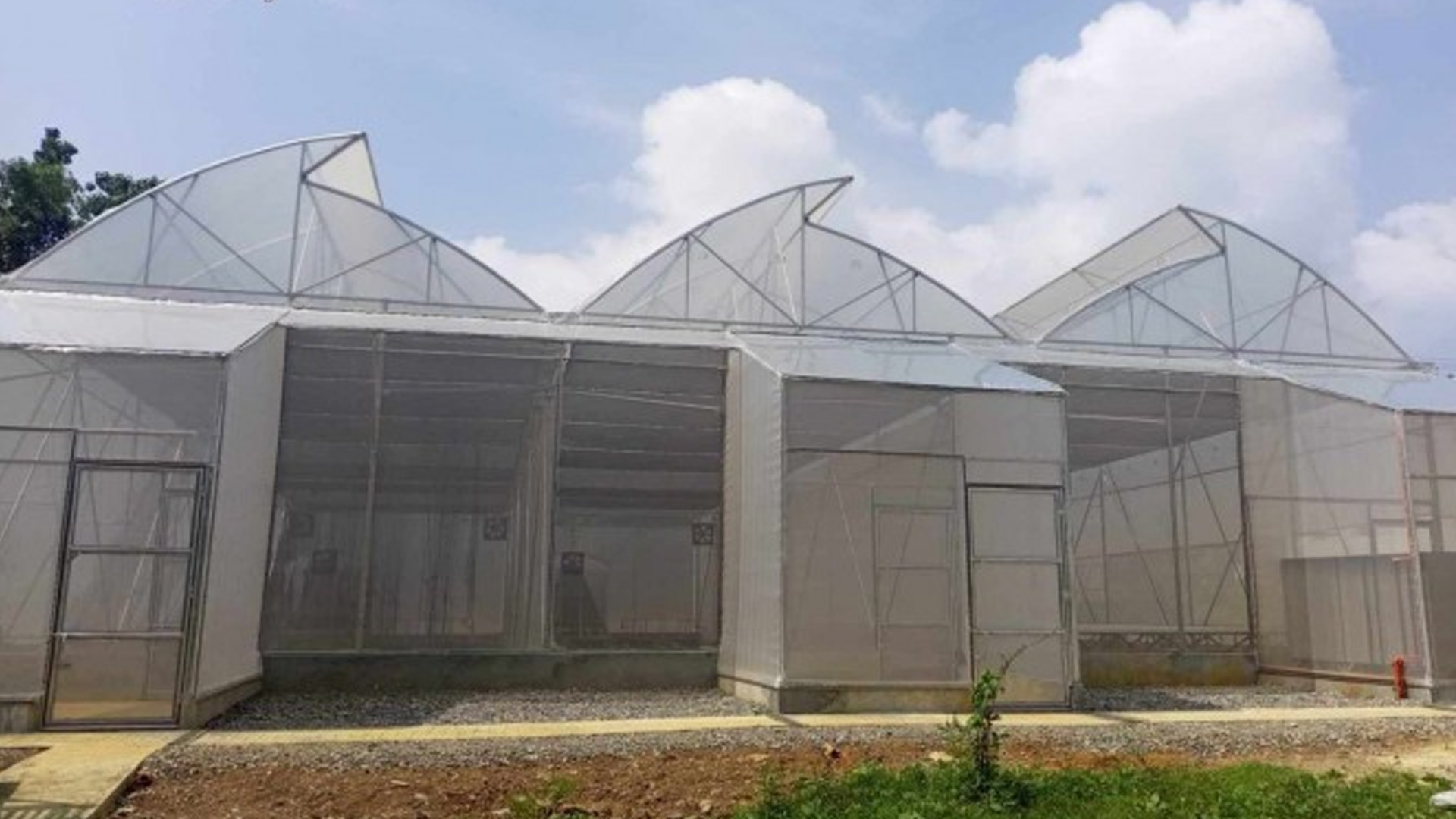







The Philippine Reclamation Authority (PRA) will establish 700 hydroponics facilities in schools and coastal communities nationwide this year to strengthen food security and provide alternative livelihoods to fishing families.
In an interview over Bagong Pilipinas Ngayon on Tuesday, PRA Chairperson Alexander Lopez said PHP210 million has been allocated for the expansion after five pilot facilities showed that the farming technology could benefit students and sustain community-based enterprises.
“By October, we will launch 700 more nationwide,” Lopez said.
Each facility costs about PHP300,000 and will be financed through the PRA’s Social and Environmental Fund, which is sourced from companies undertaking reclamation projects.
Lopez said the program would primarily benefit host communities where many families depend on fishing and are vulnerable to typhoons, poor catch and lean seasons.
Unlike conventional farming, hydroponics allows beneficiaries to grow vegetables throughout the year and adjust their crops based on market demand.
The facilities will also be placed in high schools to teach students environmental awareness, teamwork, modern farming and entrepreneurship.
Lopez cited the hydroponics project in Naic, Cavite, which benefits about 4,000 students and allows them to sell produce harvested from the facility.
PRA Assistant General Manager for Reclamation Joseph John Literal said the Naic initiative began as part of a school feeding program but later developed into a food security and livelihood project.
Students learned to cultivate lettuce, tomatoes and other vegetables using modern farming technology, while proceeds from the harvest helped finance the continued operation of the facilities, he said.
Literal added that the expanded facilities would use applications to monitor plant growth and the condition of the hydroponics systems.
Lopez said the program forms part of the PRA’s efforts to use reclamation-generated funds for poverty reduction and sustainable development in affected communities.
“We would like to be known as poverty reduction advocates,” he said, noting that the agency also provides fishing boats, smoked-fish production projects and other livelihood assistance.
The PRA expects to expand the hydroponics program further next year after evaluating the implementation of the 700 new facilities. (PNA)


