



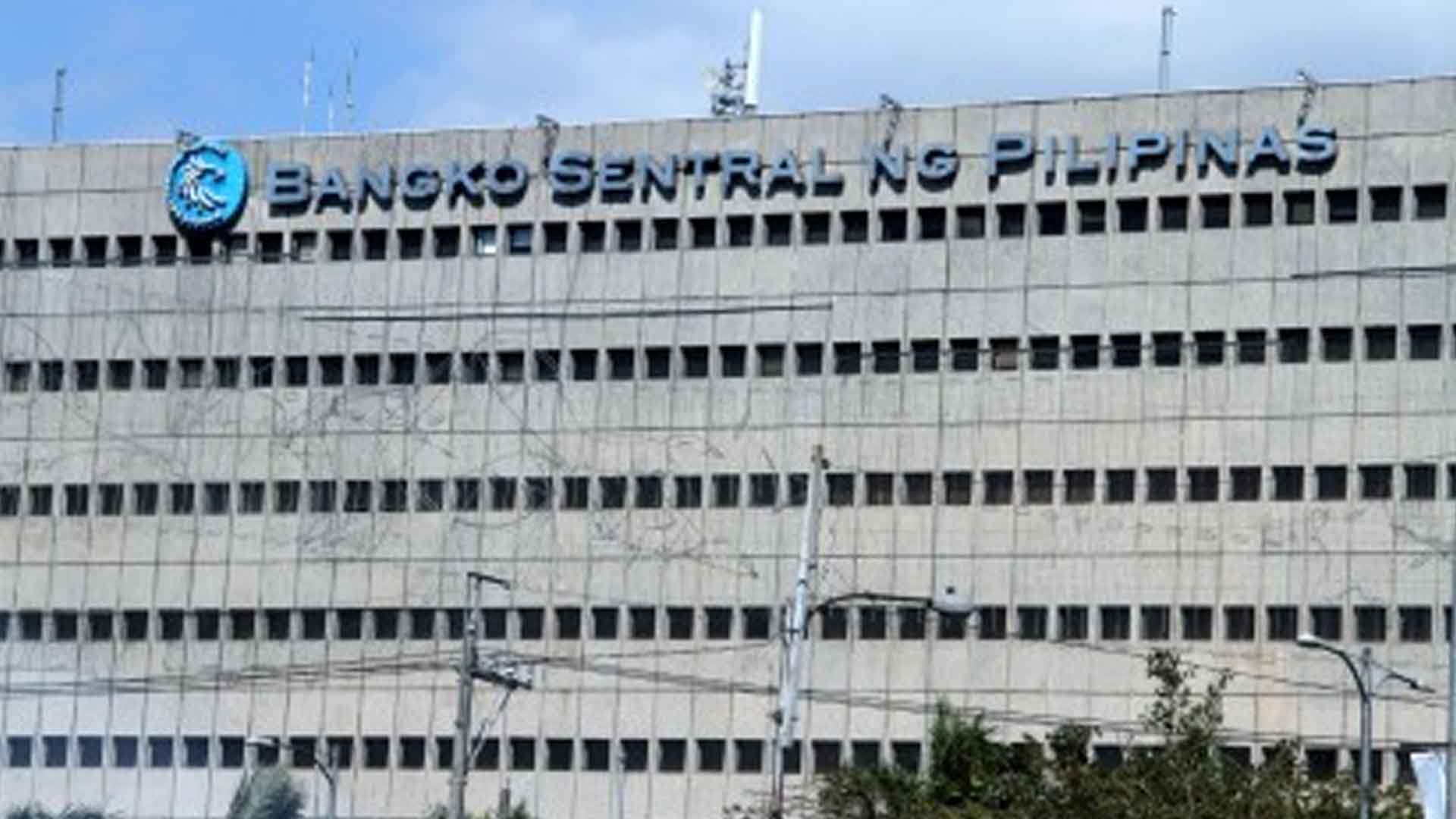






An economist of a local bank expects better results for the Philippine economy and the Peso this 2019 following the series of cuts in banks’ reserve requirement ratio (RRR).
Rizal Commercial Banking Corporation (RCBC) lead economist Michael Ricafort, in a reply to an e-mail from the Philippine News Agency (PNA), said a 1 percentage point reduction in RRR is projected to bring in additional PHP110 billion into the banking system.
“This will further spur greater loan growth and more economic activities and faster GDP growth,” he said.
“Recent sharp growth in government spending especially on infrastructure, together with RRR cuts and policy rate cuts would further raise the odds of GDP growth of at least 6 percent for 2019,” he said.
To date, Bangko Sentral ng Pilipinas’ (BSP) policy-making Monetary Board (MB) slashed by 400 basis points (bps) the RRR of universal and commercial banks (U/KBs) and thrift banks (TBs) while it is 300 bps for non-bank financial institutions with quasi-banking functions (NBQBs), 200 bps for rural banks (RBs), and 100 bps for cooperative banks (coop banks).
The initial reductions were implemented last May to July while some will take effect in the first week of November and the first week of December.
By the end of this year, the RRR level of U/KBs will be 14 percent, RBs, 3 percent; TBs, 2 percent; and NBQBs, 14 percent.
These reductions were made to make Philippine banks’ RRR level at par with their counterparts in the region.
Ricafort said these cuts are expected to further lift bank lending, proceeds of which are expected to further spur economic growth.
BSP data showed that as of last August, outstanding loans of U/KBs, excluding funds placed in the central bank’s reverse repurchase (RRP) facility, grew by 10.5 percent, slower than the 11.1 percent in the previous month.
The bulk of the loans, or about 87.4 percent of the total, was extended for production activities in real estate, financial and insurance sector, and construction, among others.
The growth, as measured by gross domestic product (GDP), averaged at 5.5 percent in the first six months this year, lower than the government’s full-year target of between 6 percent and 7 percent.
Authorities traced the below-target output to the impact of the delay in the approval of this year’s national budget.
They are, however, optimistic for a recovery in the second half of the year and the achievement of the growth target due largely to the catch-up spending program, particularly for the infrastructure program. (PNA)


