



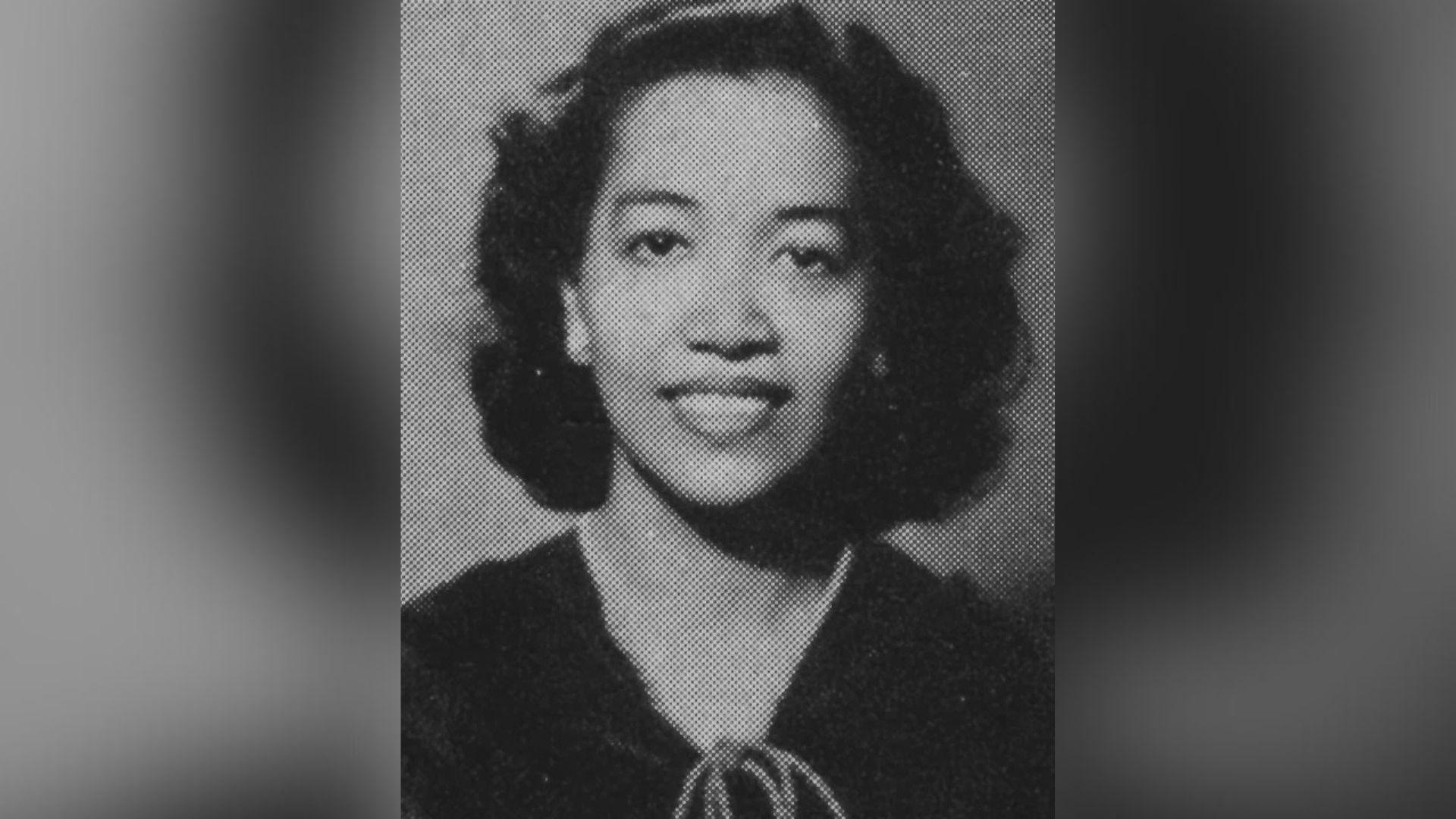






In 1951, a Filipina named Erlinda Arce Ignacio Espiritu LL.M. became the first woman to earn a degree from Harvard Law School (HLS). Her journey from the Philippines to this historic achievement reflects on the many stories of Filipino resilience and dedication.
View this post on Instagram
Growing up in the Philippines, Espiritu was inspired by the tales of the Knights of the Round Table, which ignited her passion for defending the defenseless. She then pursued her initial law degree at the Manuel L. Quezon School of Law in Manila, becoming one of the country’s first female lawyers in 1947.
Determined to further her education, Espiritu set her sights on Harvard Law School. Despite the institution’s male-only admissions policy at the time, her perseverance coincided with a pivotal change, allowing her to enroll.
After earning her Master of Laws degree at HLS, Espiritu returned to the Philippines, where she was appointed by the Supreme Court to represent a prisoner sentenced to death for murder in 1959.
In the early 1960s, Espiritu transitioned to managing her family’s rural bank in Mindoro. As president for 32 years, she provided loans to the underserved, supporting small businesses, housing, and education. She continued offering pro bono legal services until 2006, demonstrating an unwavering dedication to her community.
Since then, Espiritu has been known to be a pioneer for women in law, especially being “one of the first women lawyers in the Philippines”, and the first woman to receive a law degree in HLS.
Women in Law: From Pioneers to Powerhouses
For centuries, the legal profession was an exclusive domain for men, with women facing legal and societal barriers to education and practice.
In the 19th century, pioneers like Arabella Mansfield (the first woman admitted to the U.S. bar in 1869) and Myra Bradwell (who fought for her right to practice law) challenged these restrictions.
The early 20th century saw gradual inclusion, with women gaining access to law schools and bar associations. The feminist movements of the 1960s and 1970s further accelerated progress, leading to greater representation in courts, law firms, and academia.
Today, women hold top legal positions worldwide, including Supreme Court justices, attorneys general, and law firm partners. However, challenges remain, such as gender pay gaps and underrepresentation in leadership roles.
Dignitaries like Erlinda Espiritu exemplify resilience that continues to drive gender equality not just in law but across various professional fields. Her groundbreaking achievement at Harvard Law School paved the way for future generations of women to break barriers and claim their place in the world.

