



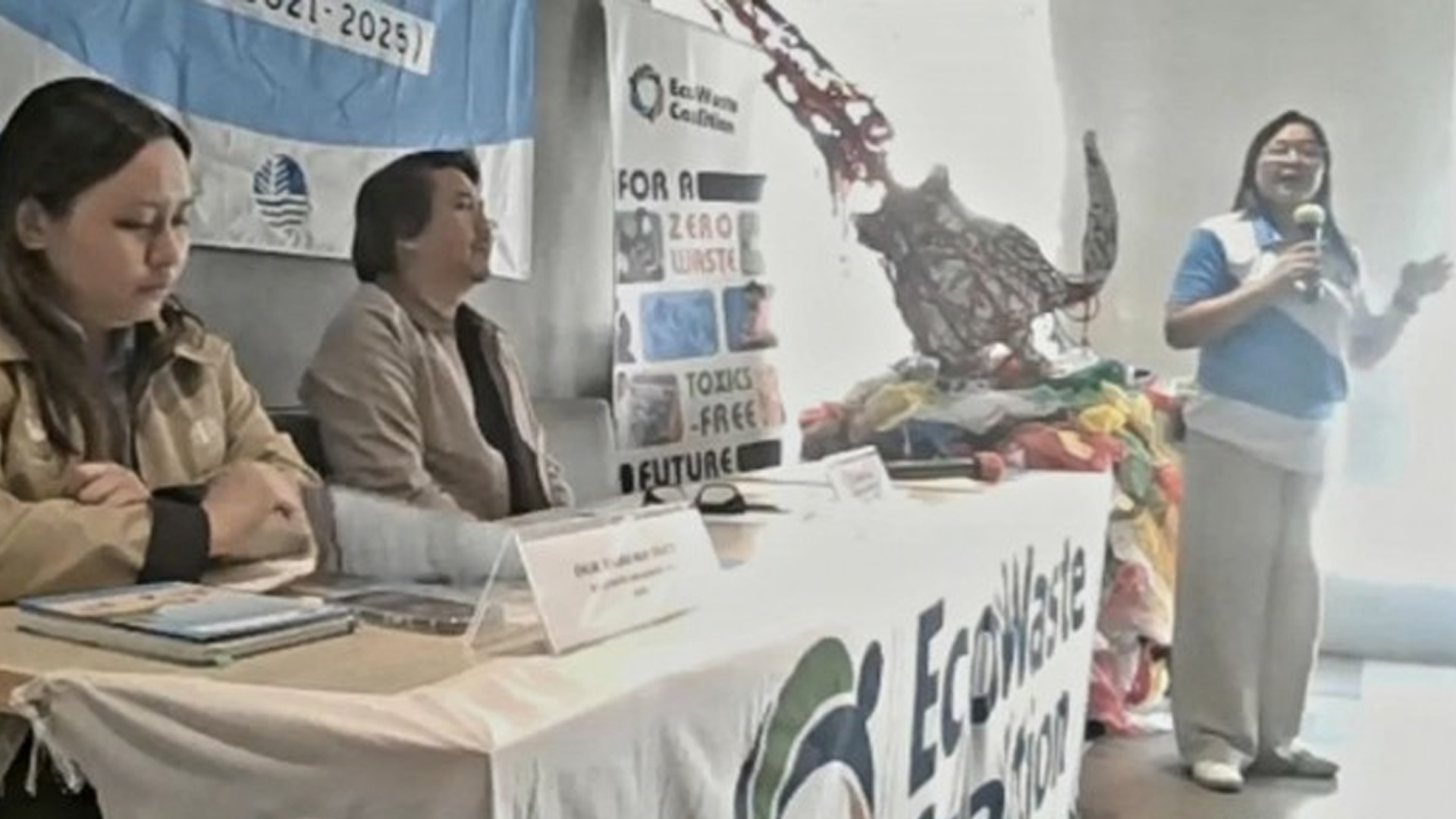







Hard and film plastics represent 91 percent of the collected wastes in Manila Bay, an environmental group said Wednesday.
In a press conference, the EcoWaste Coalition, together with De La Salle University – Dasmarinas, shared the findings of its 2024 Marine Litter Monitoring Survey Report, which showed a 36 percent decrease in the volume of marine litter and a 42 percent reduction in the total weight of collected wastes from 2023 to 2024 in its 10 project sites.
These include Silangan, Rosario; Timalan, Naic; Sahud Ulan, Tanza; Capipisa, Tanza; and Julugan, Tanza in Cavite.
In the National Capital Region, the project sites include San Dionisio, Paranaque; and Tanza, Navotas.
Meanwhile, the project sites in Bataan are Cabcaben, Mariveles; Agwawan Beach, Barangay Simsiman, Mariveles; and Bantan, Orion.
Despite the decline in marine debris, seasonal data further indicated a 16 percent increase in litter counts during the wet months compared to the dry season.
“These findings demonstrate the progress we’ve made, but they also highlight the urgent need for stricter waste management practices,” EcoWaste Coalition’s Enhancement of Marine Litter Management (EMLM) Project Officer Wes Lipana said.
“We have made significant strides in reducing litter, but the continuing dominance of plastics in our waste indicates the need for collective action – both from government bodies and the public.”
The group presented key actions to address the ongoing challenge of marine litter: strict enforcement of existing environmental laws, such as Republic Act 9003 or the Ecological Solid Waste Management Act, and Republic Act 9275 or the Clean Water Act to ensure accountability at all levels; expansion of information campaigns at the barangay level to raise awareness about waste segregation, plastic pollution, and sustainable disposal practices; adoption of standardized cleanup methods, as outlined in the Manual for Beach Litter Monitoring Program, to improve data collection and cleanup efficiency; and development of a comprehensive, integrated marine litter management plan for Manila Bay, incorporating both government and community efforts.
It also urged everyone to take part in carrying out the proposed solutions by adopting more sustainable waste management practices in their daily lives to protect Manila Bay and other vital coastal ecosystems nationwide.
The Korea International Cooperation Agency Philippines and the Korea Marine Environment Management Corp., through Our Sea of East Asia Network, fund the EMLM project for 2021 to 2025. (PNA)


