



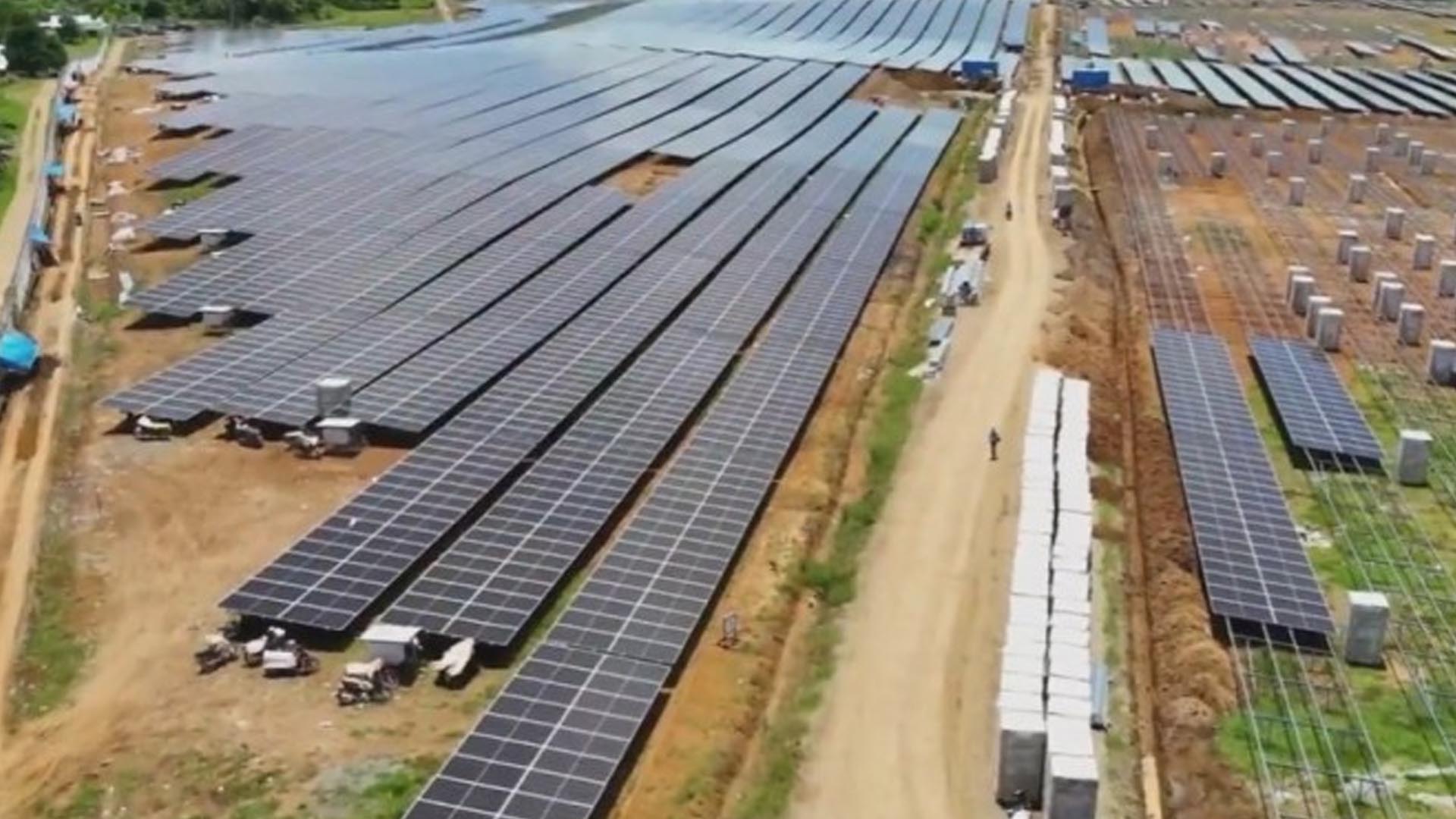







The Philippines is the second most attractive developing economy for renewable energy investment, the 2024 Climatescope report by BloombergNEF (BNEF) said.
The Climatescope report evaluates clean energy progress and market attractiveness across 110 developing countries using 100 indicators.
These nations account for nearly two-thirds of global clean energy output and 82 percent of the world’s population.
The country’s latest ranking was an improvement from fourth place in 2023.
BNEF’s report said the Philippines has a power score of 2.65, surpassing the Asia-Pacific regional average of 1.94.
In a statement Monday, the Department of Energy (DOE) said the improvement in ranking “reflects the growing confidence of the global community in our country’s commitment to clean energy transition and sustainable growth.”
“This achievement underscores the effectiveness of the Philippines’ comprehensive renewable energy policies, which include auctions, net metering schemes, tax incentives, and an aggressive clean energy target of 35% renewable energy in the power mix by 2030,” the DOE said.
“As the only emerging market in the Asia-Pacific region with all these mechanisms in place, we are paving the way for a more sustainable energy future, not only for our nation but as a model for the region,” it added.
However, the DOE said there is a need to further accelerate renewable energy development to address the needs of the country.
“Significantly, while most of the renewable energy investment is domestic, we look forward to realizing the potential of increased foreign participation through recent reforms that allow 100 percent foreign equity in renewable energy projects,” it said.
The DOE said the administration of President Ferdinand R. Marcos Jr. is committed to driving renewable energy development, fostering innovation and creating an enabling environment for both local and international investors.
It added that the government will continue to harness the potential of the country’s natural resources.
“This recognition inspires the DOE to further intensify its efforts in achieving our renewable energy goals, ensuring that our nation remains a global beacon of progress in the energy transition,” the DOE said. (PNA)


