



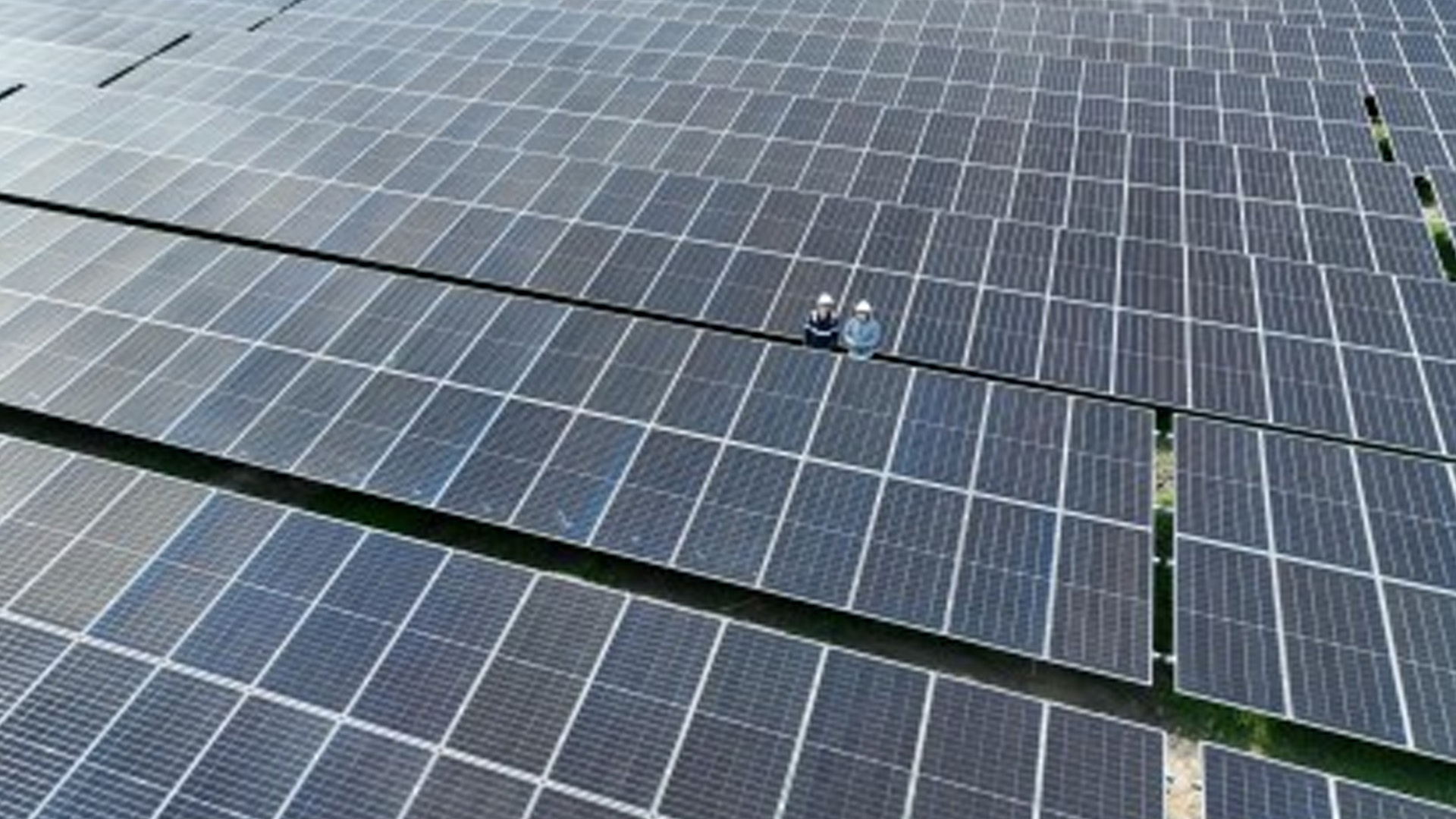







The Department of Energy (DOE) on Tuesday reported that the country hit the highest installed capacity of renewable energy (RE) in 2024 at 794.34 megawatts (MW).
In a statement, the DOE said the installed RE capacity last year exceeded the aggregate capacity installation of 759.82 MW from 2021 to 2023.
In 2021, installed RE capacity was at 230.10 MW, increasing to 328.18 MW in 2022 before slowing down to 201.54 MW in 2023.
“The unprecedented growth in renewable energy capacity last year is a testament to the effectiveness of the government’s renewable energy policies and the unwavering commitment of the administration of President Ferdinand Marcos Jr. to chart a more self-reliant energy future for the Philippines,” Energy Secretary Raphael Lotilla said.
The department added that the Marcos administration’s investor-friendly policies played a critical role in attracting significant private sector support to accelerate the country’s transition to clean energy.
Moreover, the Net-Metering Program shared about 141 MW from 2015 to 2024, while own-use RE projects from 2009 to 2024 generated an additional 252 MW.
“These capacity additions have helped strengthen grid reliability and resilience, providing a more stable and secure energy supply for Filipino consumers,” the DOE said.
It noted that since the RE requirement under the Renewable Portfolio Standards (RPS) increased from 1 percent to 2.5 percent starting in 2023, demand for RE has further strengthened.
Under the RPS, utility companies are mandated to source a certain percentage of their power requirement from RE.
It added that declining RE technology costs, particularly solar panels, also made the sector more competitive with fossil fuels.
The DOE also committed to closely monitoring critical transmission line projects to ensure these installed RE capacities are integrated into the grid.
“This milestone underscores our collective determination to accelerate the clean energy transition. With sustained collaboration, strategic investments, and policy support, we are confident in achieving our target of increasing the renewable energy share in the power generation mix to 35 percent by 2030 and 50 percent by 2040,” Lotilla said. (PNA)


