



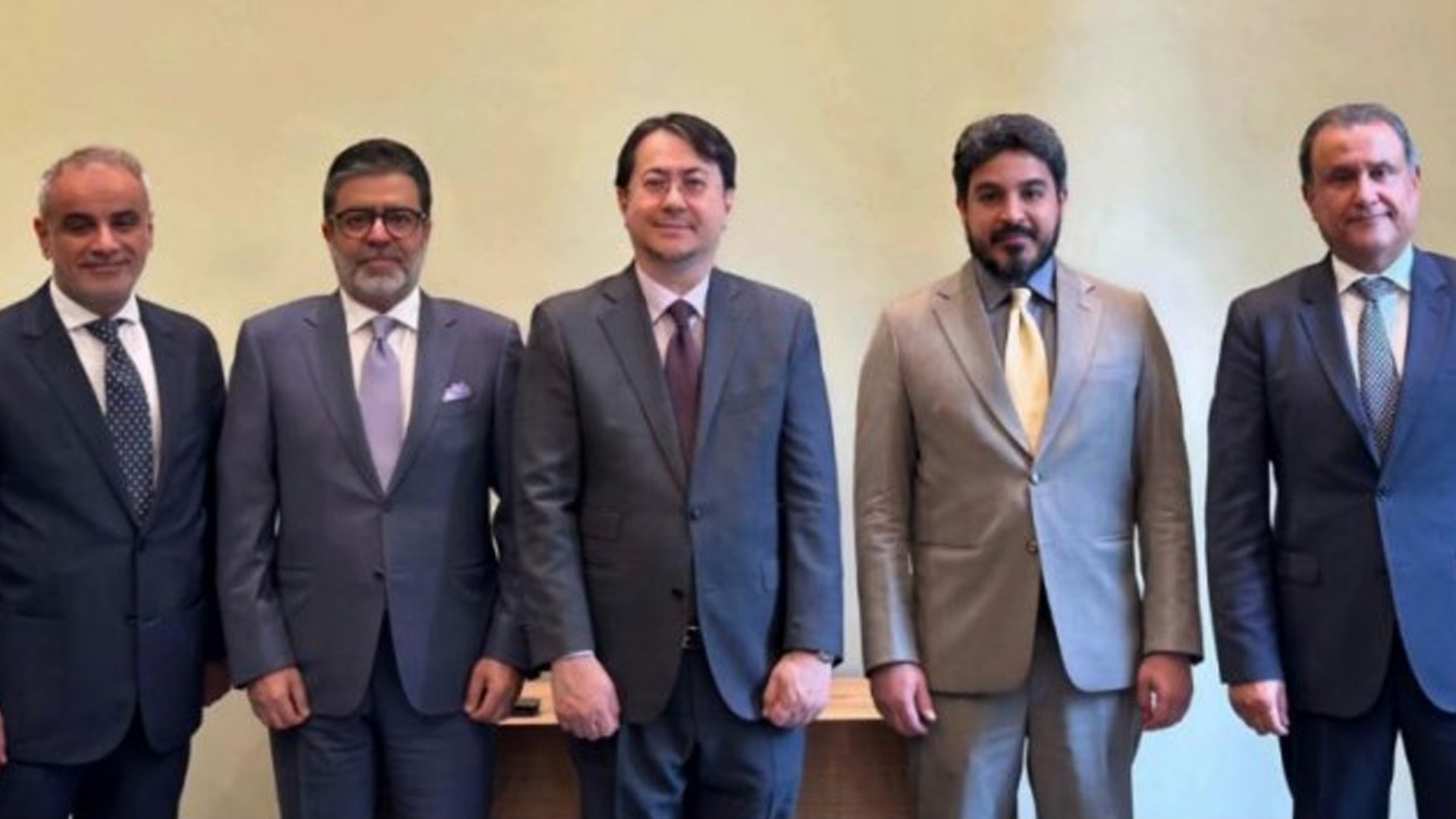






The Philippines has expressed support for international efforts to safeguard global food security and supply chains following a recent meeting with envoys from four Gulf Cooperation Council (GCC) states in Italy.
Philippine Ambassador to Italy Neil Imperial, who also serves as the country’s Permanent Representative to the Food and Agriculture Organization (FAO), said in a statement Friday that diplomats from the United Arab Emirates, Bahrain, Saudi Arabia and Kuwait paid a courtesy call on the Philippine Embassy on April 14.
During the meeting, the Gulf envoys raised alarm over the far-reaching consequences of the ongoing Middle East conflict, warning that its impact extends well beyond the region.
They cited disruptions to critical supply chains, including energy, fertilizers and essential industrial gases such as helium.
Imperial said he conveyed Manila’s support for the GCC states’ push to address these challenges within the FAO’s mandate.
He noted that the Philippines continues to face significant food security challenges, worsened by the conflict’s effect on fertilizer availability and rising food prices.
He pointed out that the cost of fuel has drastically increased agricultural operational costs and consumer prices.
Those present at the meeting were UAE Ambassador Abdulla Ali Ateeq AlSubousi, Bahrain Ambassador Ausama Alabsi, Saudi Arabia Ambassador Raed bin Mohammed Al Thukair and Kuwait Ambassador Yousef Juhail.
Earlier this month, GCC Secretary General Jassim al-Budaiwi called on the United Nations Security Council to take all necessary measures to secure maritime corridors and ensure the uninterrupted flow of goods through key Middle Eastern waterways.
Tensions in the Middle East have escalated in recent months, with Iran launching missile attacks across the region, including Gulf states, and closing the Strait of Hormuz after a joint military assault by Israel and the United States on Feb. 28.
A fragile ceasefire between the United States and Iran, agreed upon on April 8, remains in place as both sides pursue negotiations toward a potential peace deal.
The FAO warned on April 13 that vessels carrying vital agricultural inputs must resume passage through the Strait of Hormuz “as soon as possible,” or the world could face a pandemic-level surge in food price inflation later this year.
“The clock is ticking, and crop calendars put poorer countries most at risk of scarce and pricey fertilizer and energy inputs,” FAO Chief Economist Maximo Torero said.
“The last thing we want is lower crop yields and higher commodity prices and food inflation for the next year,” he added, urging countries to consider biofuel mandates and “to avoid export restrictions on energy and fertilizers.” (PNA)


