



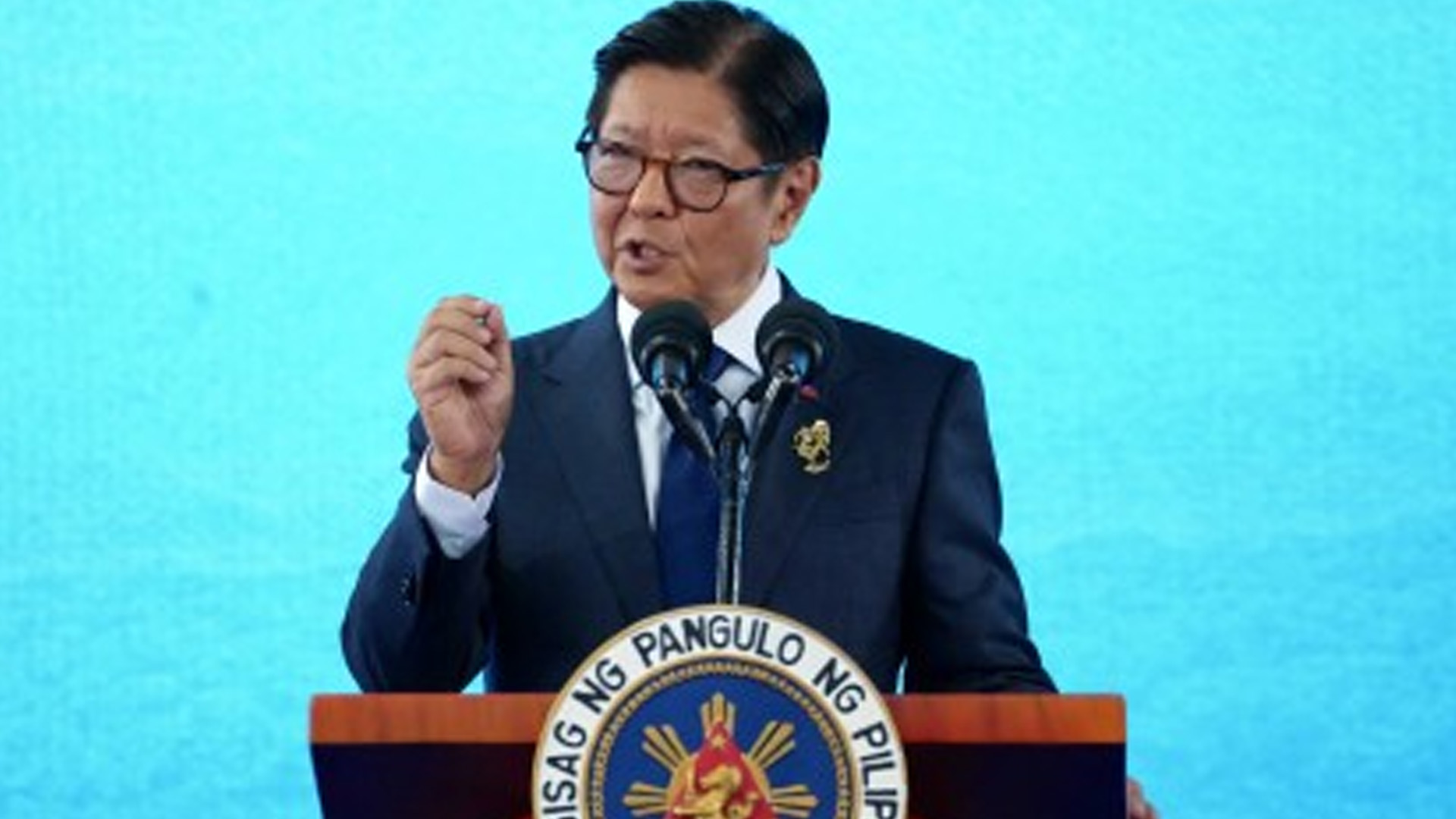






President Ferdinand R. Marcos Jr. has expressed confidence that the Philippine economy would remain resilient and continue to expand despite global headwinds, citing investor confidence and government measures to cushion the impact of the Middle East crisis.
Speaking to Japanese media at Malacañan Palace on Monday, Marcos said the government is recalibrating its approach to augment and stabilize the country’s fuel supply.
He said the Philippines is working with Southeast Asian nations and international partners to enhance energy security mechanisms, including emergency security mechanisms, supply coordination, and potential joint stockpiling arrangements.
He added that engagement with fellow Association of Southeast Nations (ASEAN) member-states and major economies would be sustained to ensure a stable energy supply.
“We will continue to do so, because we are really redefining the way that we do things when it comes to oil, when it comes to petroleum, when it comes to petroleum products. The effects are, as everybody knows, are widespread,” Marcos said.
“As to the economy, the concern that we have is the concern about stagnation, which is when the GDP (gross domestic product) growth is stagnant, but inflation continues to increase. And so this is what we have been trying to control,” he added.
Acknowledging inflationary pressures, particularly in food and fuel, Marcos said the government is focused on containing price increases in essential commodities.
Marcos cited several interventions, including efforts to keep prices of basic goods stable, implement a price cap on imported rice, and provide targeted subsidies for vulnerable sectors such as public transport workers.
He emphasized the need to institute new measures to keep the transport sector going amid global oil volatility.
“The transport sector is the largest user of fuel. And so that is very important because we want to keep the system, the economic system, continuing to function,” Marcos said.
While noting that inflation driven by external factors such as oil remains difficult to control, he said government efforts are focused on food affordability and direct assistance to vulnerable sectors.
Marcos also stressed the importance of sustaining public spending to support economic growth, saying government expenditures are being accelerated and redirected toward direct support for citizens and infrastructure programs.
He said fiscal adjustments, including cost-saving measures across agencies, are being implemented to help fund subsidies and social support programs without disrupting overall economic activity.
“With all the spending that we are doing for providing benefits for people who need assistance, for providing subsidies, for providing discounts, the fuel discounts, we have tried very, very hard,” Marcos said.
“Public spending is what will keep the economy rolling, and that will continue to support GDP growth,” he added.
Marcos expressed optimism that economic performance will improve in the coming quarters as government spending accelerates and stabilization measures take effect.
Despite global challenges, he said investor interest in the Philippines remains strong, supported by economic policy reforms and better incentives to attract foreign investments.
“Luckily, I suppose, or at least as I said, we are still continuing to see marked interest in investment in the Philippines. And perhaps this is why,” Marcos said.
He said the government is also prioritizing micro, small and medium enterprises, which account for a significant share of employment in the country, as part of efforts to keep the economy resilient. (PNA)


