



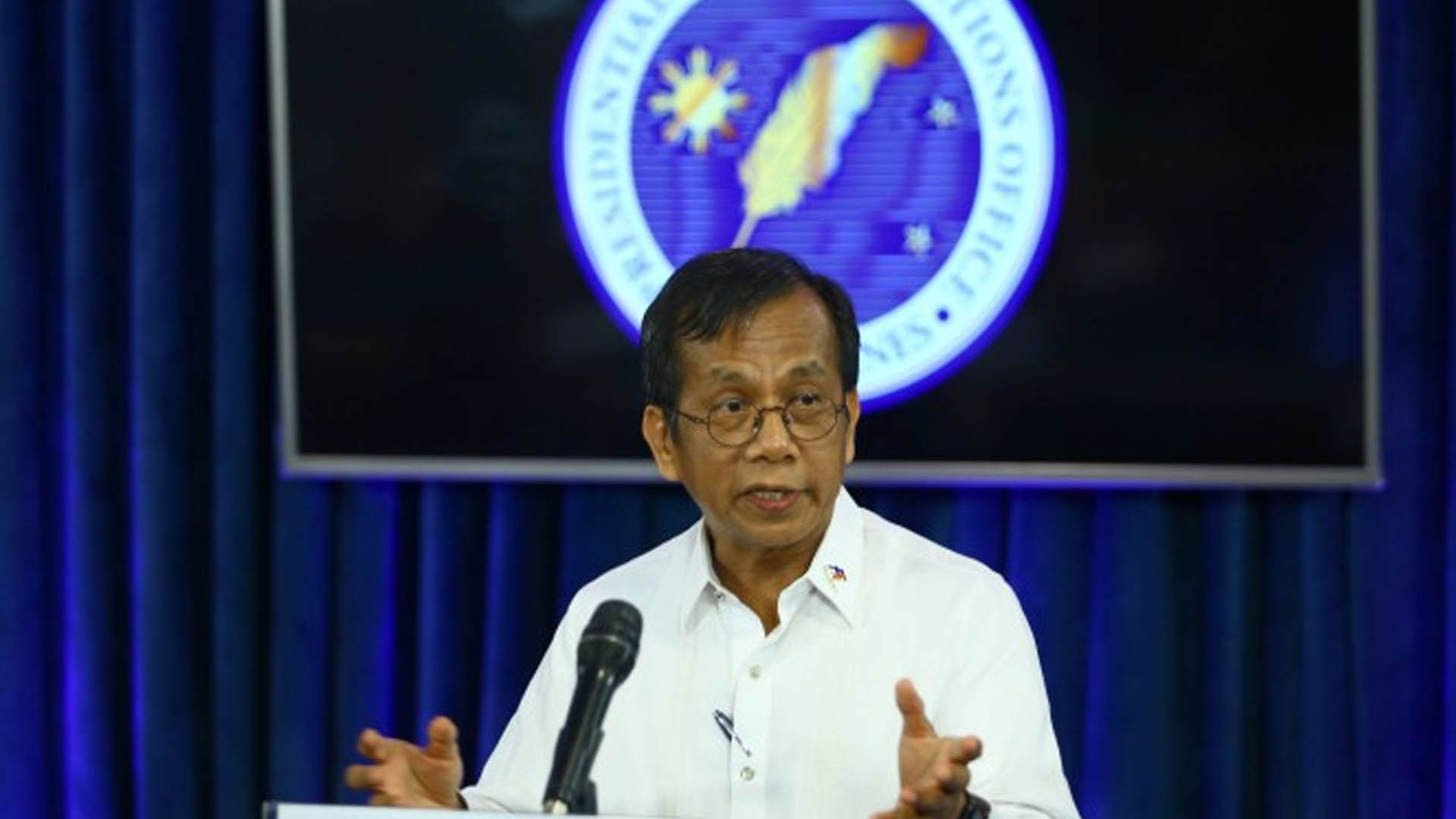







The administration of President Ferdinand R. Marcos Jr. is ramping up efforts to manage price increases, National Economic and Development Authority (NEDA) Secretary Arsenio Balisacan said on Sunday.
He made the statement following the release of a recent OCTA survey results which showed that 75 percent of Filipinos were not satisfied with the government’s efforts to manage inflation.
“We recognize the significance and urgency of addressing the issues and challenges that have been highlighted by the survey results of OCTA Research Group released yesterday (Feb. 17), particularly on inflation and food security, as well as on job creation and poverty reduction,” Balisacan said.
“The Marcos Administration is accelerating its efforts to manage price increases of basic commodities such as rice in light of the El Niño phenomenon we are experiencing and the continuing upward price pressure from the global rice market,” he added.
Balisacan said the government is already making strides in realizing substantial foreign direct investments that will generate more and higher-quality jobs that will raise the incomes and purchasing power of Filipinos.
He also explained that when President Marcos assumed office, the Philippine economy was recovering from the 9.5-percent contraction in 2020.
“The contraction set us back by about three years, with per capita gross national income (GNI) returning to its pre-pandemic level by the second half of 2023,” he said.
Balisacan noted, however, that the Philippine economy, which grew by 5.6 percent last year, already outshone its Asian peers and recorded one of the fastest growths in the region.
He added that while external factors and domestic policy coordination challenges resulted in higher inflation in early 2023, both supply- and demand-side interventions helped bring inflation to 2.8 percent last month.
Balisacan said the unemployment rate also reached a historic low of 3.1 percent in December 2023, while the underemployment rate eased to 11.9 percent.
“The Cabinet has taken to heart the President’s directives by ensuring that the necessary policies are in place: we are facilitating massive investments in physical and human capital to create better jobs and improve our economy’s competitiveness while deploying the entire arsenal of policy tools to make food available, accessible, and affordable to the Filipino people,” he said. (PNA)


