



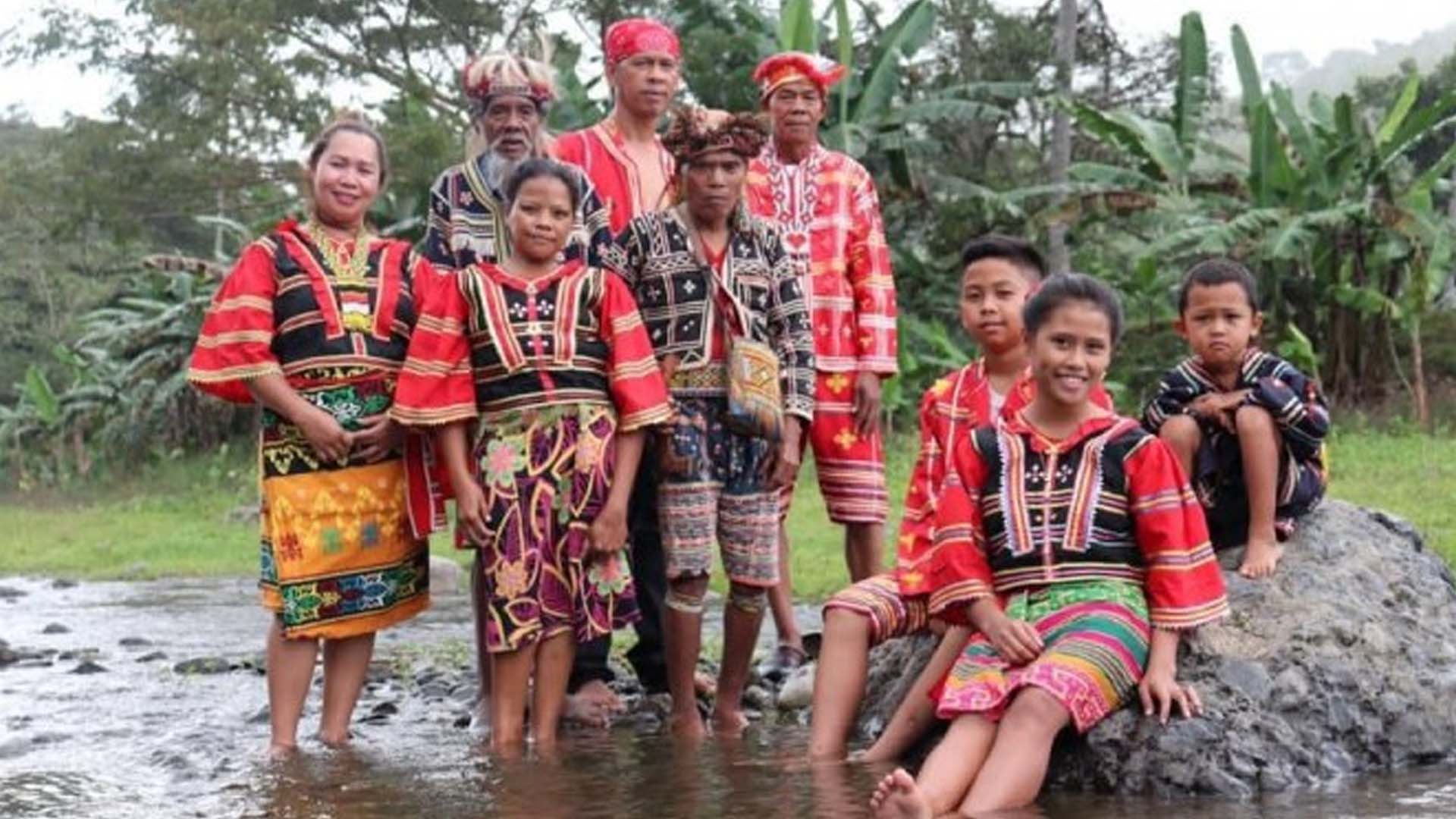






In a bid to address the health and nutrition needs of Indigenous Peoples (IPs), especially children, the National Commission on Indigenous Peoples (NCIP) has partnered with the Department of Health (DOH) to provide them with better health access.
In a radio interview on Friday, NCIP Chairperson Jennifer Pia Sibug-las emphasized the innate right of every Filipino to healthcare services and that the government is addressing it through the Philippine Multisectoral Nutrition Program.
Sibug-las said that through the partnership with the DOH, the agency is targeting to reach over 800,000 IP children nationwide suffering from malnutrition and stunting.
“Meron tayong target na 860,000 na mga kabataan, mga katutubo kung saan ay nakakaranas ng ganitong suliranin (We are targeting around 860,000 IP children suffering from these health problems),” she said.
At least 235 local government units and 40 municipalities nationwide have been identified as priority areas.
Aside from the DOH, Sibug-las said the partnership also involves the Food and Nutrition Research Institute (FNRI) and the Department of Social Welfare and Development.
Sibug-las said based on DOH and FNRI studies, stunted and malnourished children are prevalent in the Bangsamoro Autonomous Region of Muslim Mindanao, Zamboanga Peninsula and Caraga Region, especially among the Badjao, Tagbanua, Batak and Subanon communities.
Meanwhile, she said there are challenges in bringing and applying the program to IP communities, like reaching geographically isolated and disadvantaged areas, like remote mountains and far-flung locations.
To address this, she said the NCIP is working with the Department of Public Works and Highways to improve access to such areas and ensure that essential health and nutrition programs can reach even the most isolated communities.
Culturally sensitive
Sibug-las noted that the NCIP is addressing these health issues faced by IPs through careful consideration of their unique culture, traditions and beliefs.
“It has to be culturally sensitive at culturally appropriate ‘yung ating mga programa dahil kung titignan niyo po ay isa rin po talaga itong challenge. How to interface ‘yung mainstream processes natin or applications natin dun sa sinasabi nating kultura at tradisyon at ‘yung sinasabi natin mga way of life na ating mga katutubo (our programs because it’s also really a challenge. How to interface our mainstream processes or our applications with their culture and tradition and their way of life),” she said.
The official noted that the process must be carefully planned to develop a culturally accepted means, especially in treating and helping IP women.
“Their unique traditions, beliefs and way of life must be respected while introducing modern healthcare interventions,” she said. (PNA)


