



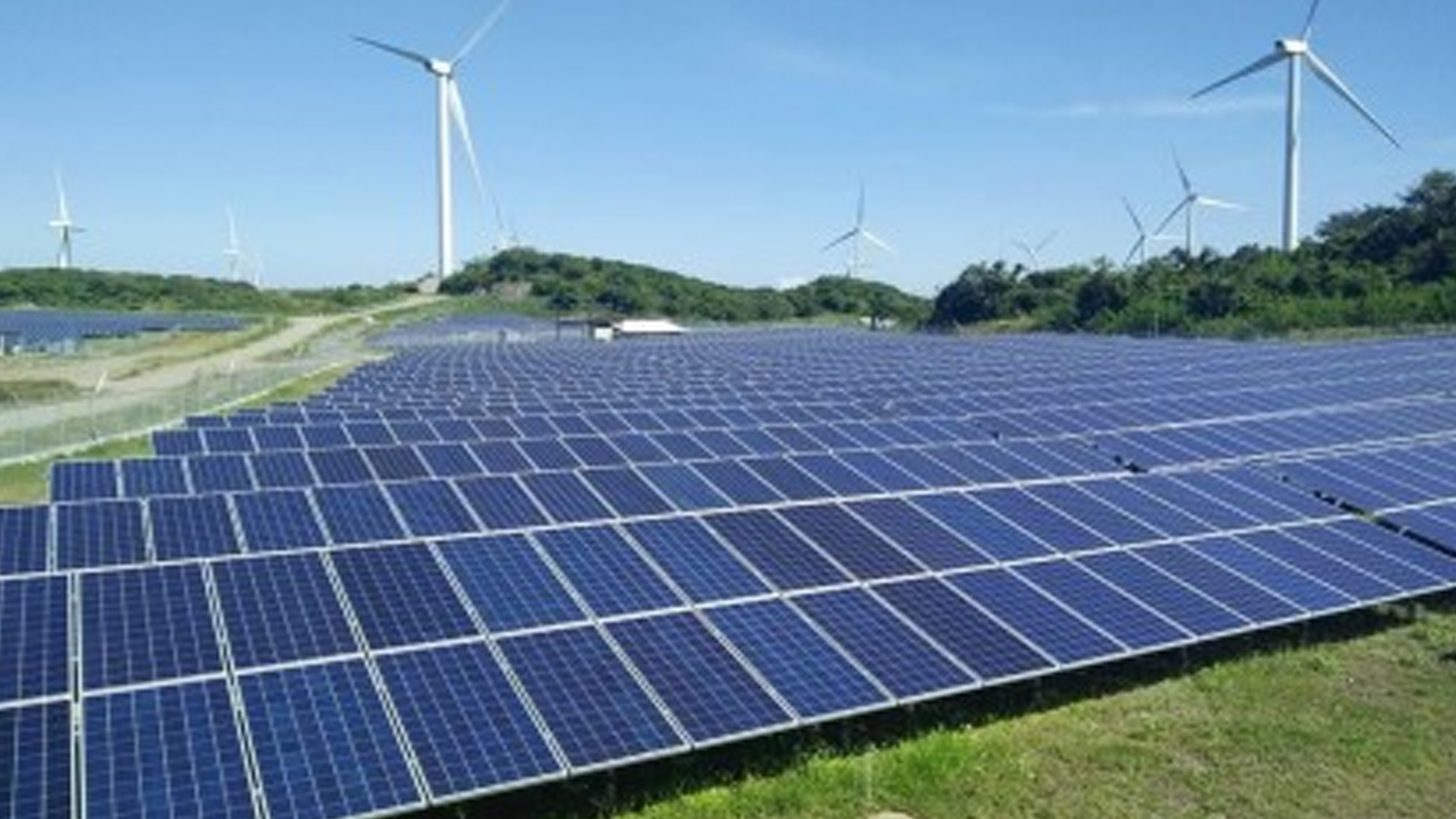







Abra Lone District Rep. Joseph Sto. Niño Bernos on Tuesday expressed his full support for the Department of Health’s plan to use solar energy in hospitals and other health facilities.
“The government should lead the way in efforts to use renewable energy (RE). The DOH’s plan to utilize RE, particularly solar energy, is one that I fully support, and I hope that other agencies will follow suit,” Bernos said in a statement.
Health Secretary Ted Herbosa announced last week that his agency will push for the use of solar and other renewable energy to help address the issue of climate change.
“One of the biggest carbon dioxide emitters – and consumes a large amount of electricity or fossil fuel energy – are our hospitals and health facilities,” Herbosa pointed out, adding that the savings from the use of solar energy could be redirected toward purchasing additional medicines and supplies for patients in public hospitals.
Bernos said the use of RE should not be limited to DOH hospitals but should be required in all government buildings and facilities.
“If we want others to realize just how urgent the need to utilize renewable energy sources is to help mitigate the effects of the climate crisis, then it is vital that the government itself be seen as the number one advocate and implementer of green policies,” he said.
He called for the immediate passage of House Bill No. 3126 or the On-Grid Solar Energy Systems bill, which is currently pending before the Committee on Energy.
The bill mandates the establishment of on-grid solar energy systems in all national and local government-owned buildings and offices.
Under the proposed measure, government agencies shall ensure that 20 percent of their average monthly utilization (AMU) is covered by the on-grid solar energy systems within one year of installation.
The AMU by such systems would then increase to 40 percent within the second year, 60 percent in the third year, 80 percent in the fourth year, and 100 percent in the fifth year.
Bernos said on-grid solar systems are an affordable and feasible RE source, as there has been a marked decrease in the cost of solar panel technology in recent years.
With a typical lifespan of 25 to 30 years, he said solar panels are a long-term investment that has both environmental and economic benefits.
The lawmaker also encouraged private households that can afford solar technology to consider it. (PNA)


