



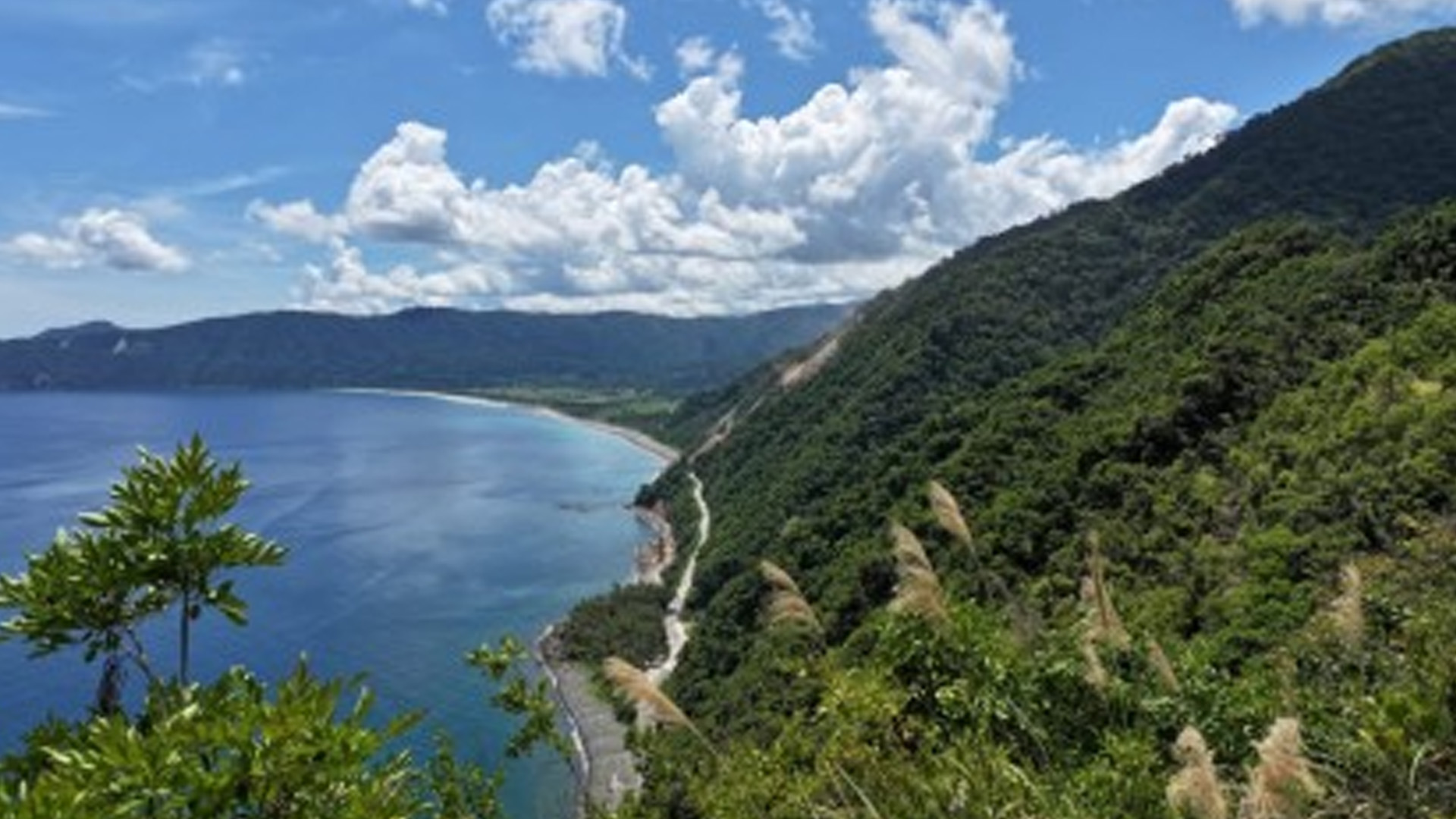







Nestled in the northern tip of Luzon, Kalbario-Patapat Natural Park (KPNP) is known for its lush forest and for being home to the endangered Rufous hornbill or Kalaw (Buceros hydrocorax).
Covering 5,737 hectares, the area lies within Barangays Pancian, Pasaleng, and Balaoi in this town, and Sitios Maligligay and Sinidangan of neighboring Adams town.
To promote the park’s vital role as a key biodiversity area and important bird area in this part of Luzon, the Department of Environment and Natural Resources (DENR) is spearheading an ongoing weeklong event for the public to discover and learn more about its rich flora and fauna, while enjoining all concerned stakeholders to preserve its natural wonders for the future generation.
“KPNP is a legislated protected area in Ilocos Norte by virtue of Republic Act 11038. It is among the few tropical forests in the Philippines that serve as a natural barrier against strong typhoons,” Cynthia Cacactin, KPNP superintendent, said in an interview on Thursday.
In time for the commemoration of the park’s establishment on April 20, 2007 through Proclamation No. 1275, Cacactin said various activities are being conducted that include communication, education, and public awareness campaign about its diverse ecosystems.
Measures are also being implemented to boost its protection and conservation, she said.
For a minimal entrance fee of PHP30 for adults and PHP15 for students, one can enjoy the amenities of the natural park and enjoy sightseeing and swimming at the natural pool.
Picnic tables, cottages, and camping sites for a minimal fee are also available. Hiking and biking are also allowed in designated areas.
The Protected Area Management Board of the KPNP also collects certain fees for commercial documentation and photography, amounting to PHP5,000 excluding of entrance fees.
To date, the KPNP is focused on the conservation of Kalaw, the largest of the 10 endemic Philippine hornbill species that is a very common sight at the park.
A growing number of bird enthusiasts often spot groups of Kalaw travelling alternately gliding and flapping across valleys and along slopes of the protected area.
Locals also refer to them as “clock of the mountains” as their loud calls can be heard throughout the day, usually from 9 a.m. to 3 p.m. (PNA)


