



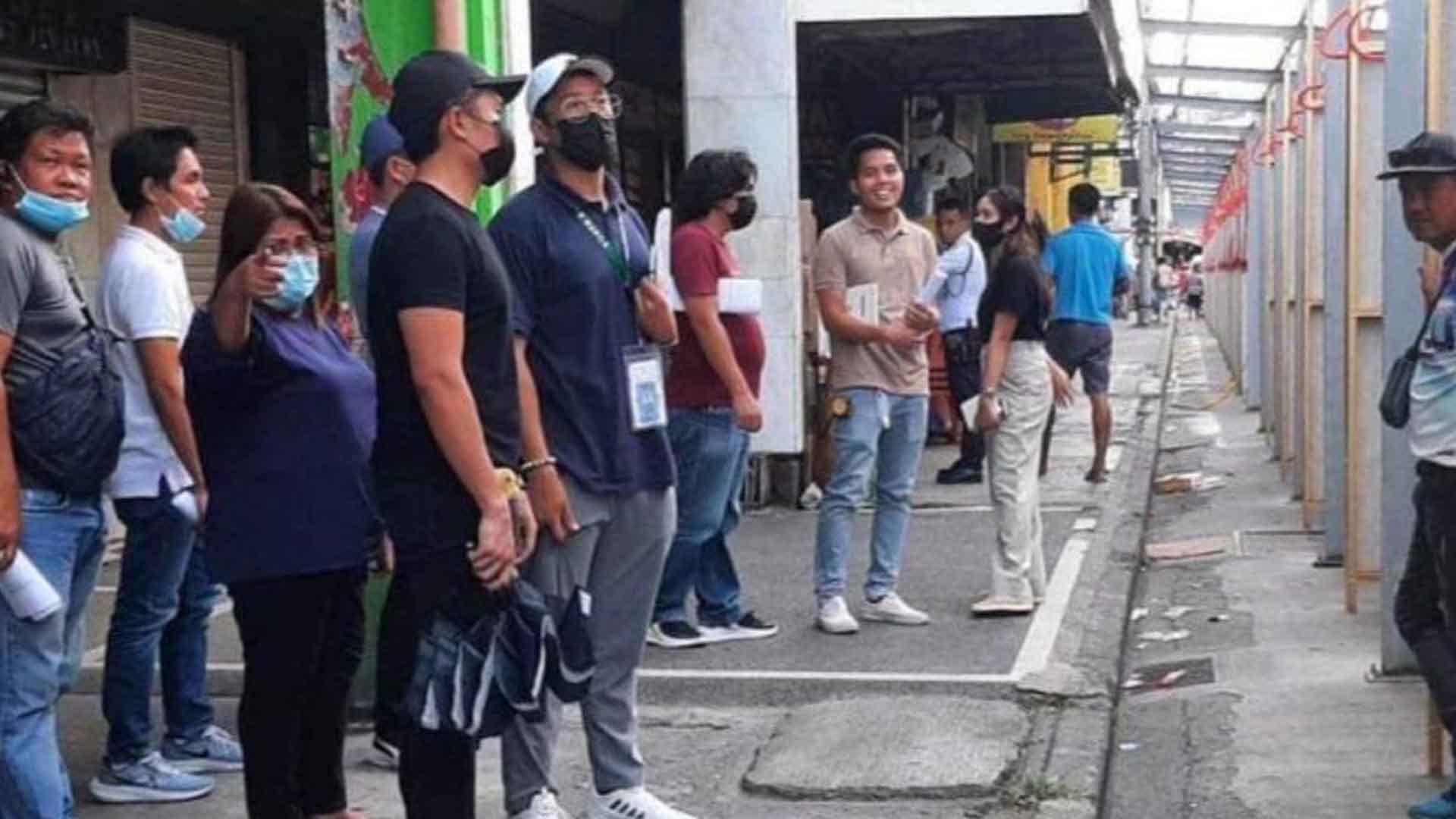






The Local Economic Enterprise Office (LEEO) here is preparing to implement digital payment in public markets, starting at the Iloilo Terminal Market, as mandated in the newly-enacted city ordinance Paleng-QR Ph Program.
“With the passage of the ordinance, we intend to launch by May (the digital payment) but we will see,” LEEO head Maricel Mabaquio said in an interview on Friday.
Mabaquio said that if not next month, they may launch it in June or July since they are currently preparing for the transfer of vendors to temporary stalls to give way to the rehabilitation of the terminal market.
The ordinance sponsored by Councilor Urminico Baronda Jr. will take effect 15 days after its publication before its implementation.
The digital payment as defined in the ordinance approved by the Sangguniang Panlungsod early this month “is a monetary payment transaction between two parties through a digital payment instrument in which both the payer and the payee use an electronic channel.”
The ordinance, however, does not prohibit payment in cash when consumers, buyers or clients opted for its use.
“QR code is an option in our market. So if they have that, buyers will have a choice for their mode of payment,” Mabaquio said.
The Iloilo Terminal Market has 1,625 vendors but not all of them have QR or quick response codes.
The rehabilitation of the terminal market is expected to be completed in 2024 and by then, Mabaquiao said they expect most of the vendors to already have their transaction accounts.
Some vendors, though, have generated their accounts with their chosen financial service providers during the opening of accounts in February this year.
After the Iloilo Terminal Market, the LEEO intends to introduce the QR code next in the Arevalo public market.
“We will have it implemented next in Arevalo because they already have an established association. They are already aware of that because some of them were present during the account opening at the Iloilo Terminal Market,” Mabaquio said.
The digital payment will soon cover all permanent market stalls in the city’s public markets to also include the Iloilo Central Market, La Paz Public Market, Jaro Big Plaza Market, Jaro Small Public Market and Mandurriao Public Market.
The Paleng-QR Ph Program is jointly developed by the Department of the Interior and Local Government and the Bangko Sentral ng Pilipinas to promote digital payment in public markets and local transportation in support of the National Strategy for Financial Inclusion 2022-2028. (PNA)


