



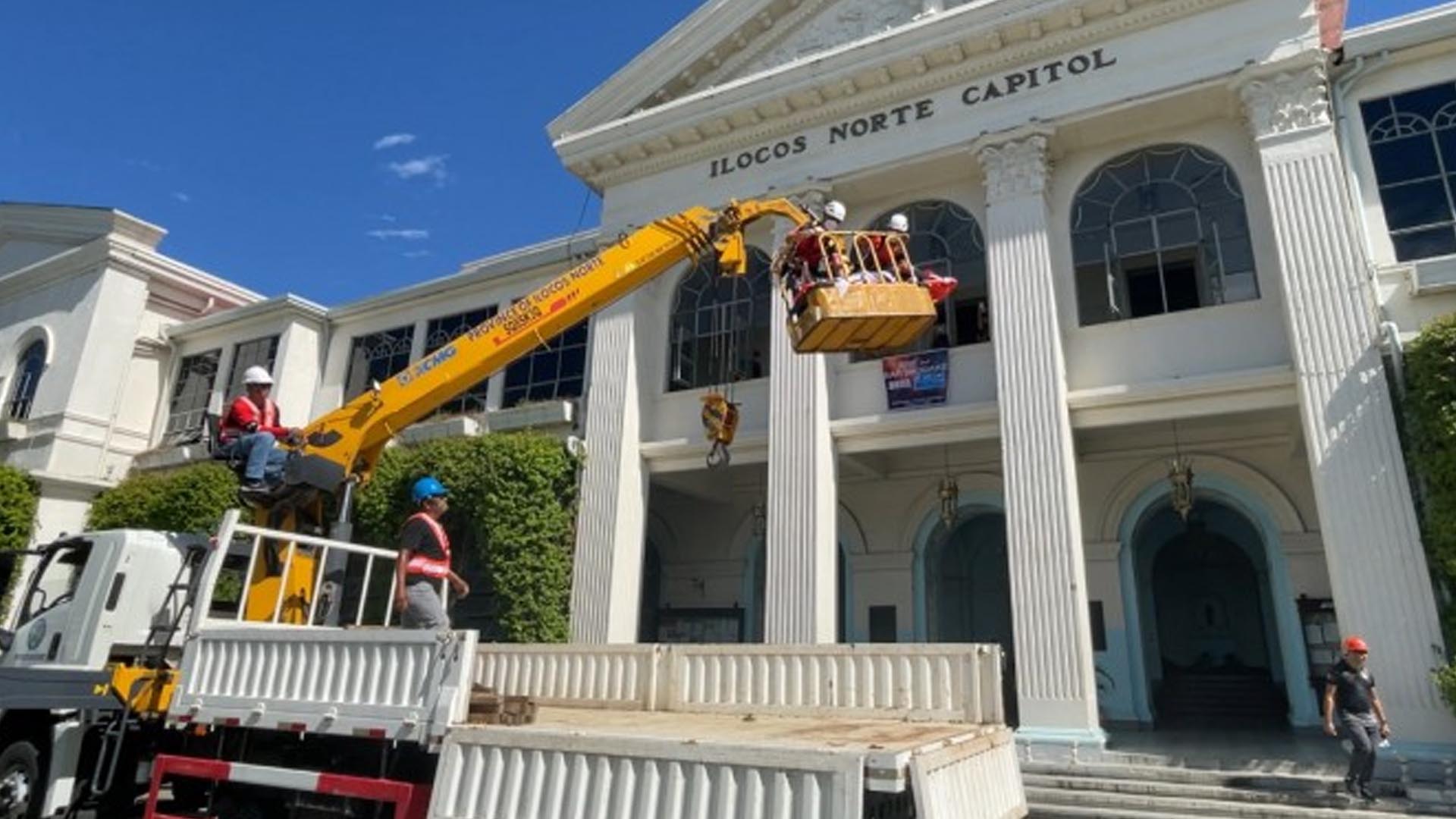






At least 50 members of indigenous cultural communities in Ilocos Norte are set to undergo an intensive disaster preparedness training on Tuesday, April 21, at the Provincial Capitol auditorium.
Marcell Tabije, head of the Provincial Disaster Risk Reduction and Management Office (PDRRMO), confirmed the activity on Tuesday, noting that this is the first time indigenous peoples (IPs) are being formally tapped as partners in provincial disaster prevention and risk mitigation strategies.
“We have invited our IP members this time because they too are prone to disaster,” Tabije said, adding that the PDRRMO has facilitated similar sessions for senior citizens, persons with disabilities and youth organizations.
Tabije said the training is designed to build a culture of readiness across all sectors to ensure the safety of various groups during any disaster that may impact the community.
Likewise, the PDRRMO underscored that such initiatives are vital for improving response times and reducing impacts, particularly in remote areas where IP communities are often located.
The curriculum covers a wide range of topics, including understanding local hazards, familiarization with the Philippine Disaster Risk Reduction and Management (DRRM) System, and community-based DRRM to encourage collective planning and leadership. Guidelines for class and work suspensions during emergencies will also be included in the session.
The training for IPs is mandated under Republic Act 10121, also known as the Philippine Disaster Risk Reduction and Management Act of 2010. By empowering these communities, the PDRRMO hopes to strengthen localized leadership and ensure that disaster mitigation reaches the most vulnerable sectors of the province. (PNA)


