



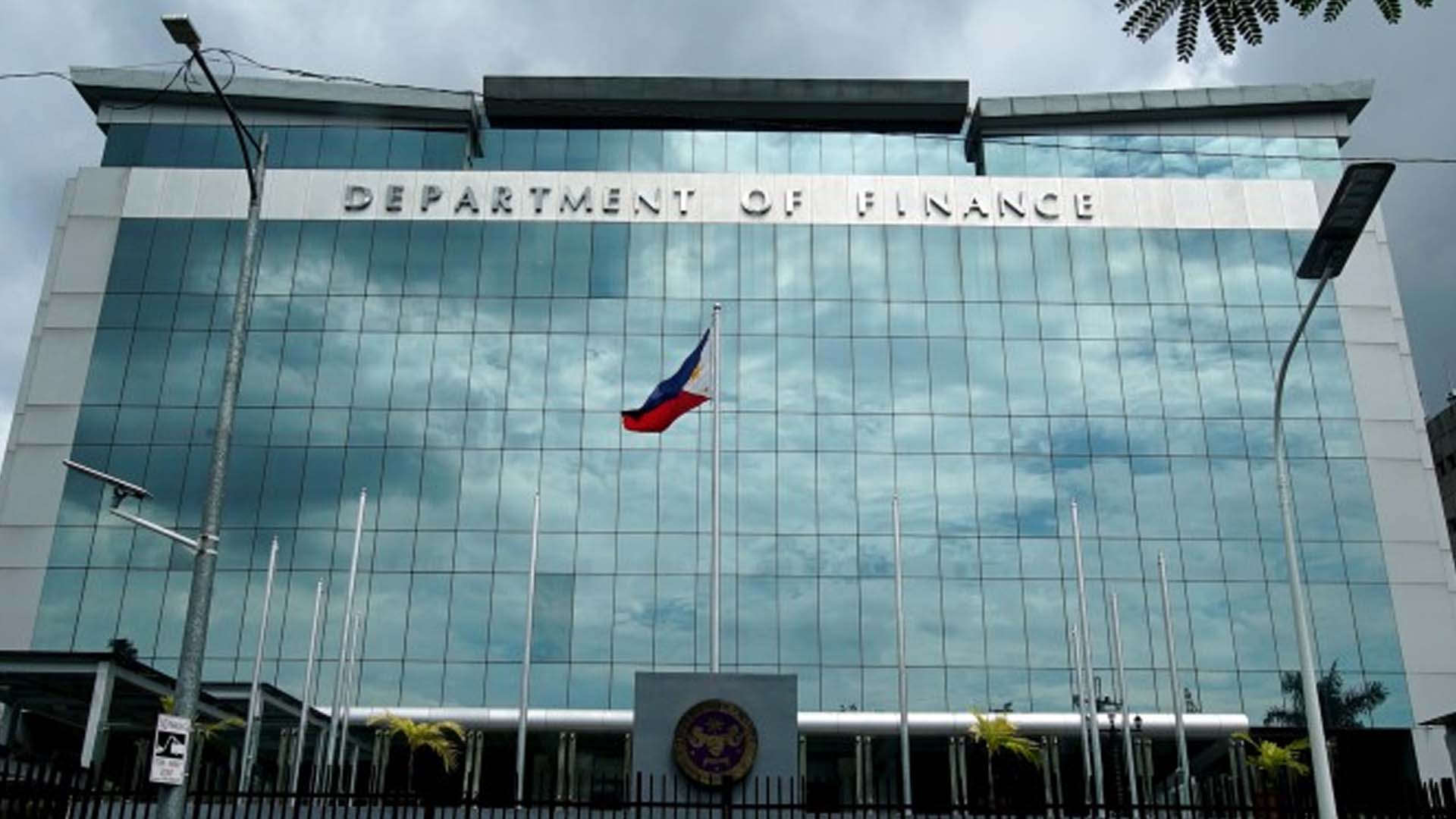







Finance Secretary Ralph Recto said the Philippine economy remains resilient amid global trade shifts.
In a statement Thursday, Recto said the government will leverage the Corporate Recovery and Tax Incentives for Enterprises to Maximize Opportunities for Reinvigorating the Economy (CREATE MORE) Act to attract more investors to locate in the country.
Recto made the statement following United States President Donald Trump’s recent announcement that the US will impose higher tariff for goods entering the US.
Trump’s latest announcement includes a 17 percent tariff that will be imposed to Philippine exports.
The US imposed higher tariffs on Vietnam (46 percent), Thailand (36 percent), Indonesia (32 percent), Malaysia (24 percent), and Cambodia (49 percent).
“The Philippine economy is primarily driven by domestic demand rather than exports. This makes us relatively resilient against trade wars. However, as with all countries, we are not spared from the impact of the expected decline in international trade and possible slowdown of global growth due to supply chain disruptions, higher interest rates, and higher inflation,” Recto said.
“Nevertheless, the CREATE MORE Act will strengthen our ability to attract investors looking to expand or relocate to the Philippines, given the relatively lower tariffs imposed on our exports to the United States. We are also actively pursuing more free trade agreements with our global partners.”
Despite the higher tariffs, Recto said the government sees opportunities arising from global trade development.
He said the Philippines could be a hub for global value chains, particularly in industries like electronics, textiles, food, and automobiles.
Recto said the country is also well-positioned to expand its market share in the US for coconut-based products, including desiccated coconut and copra meal.
As major competitors like China, Bangladesh, Vietnam, Mexico, and India face higher tariffs, Recto said the Philippine garment exports are also at an advantage of expanding its US market share.
To diversify export markets, Recto said the Philippine government continues to actively pursue new and expanded free trade agreements with economies like the United Arab Emirates, the European Union, Chile, and Canada. (PNA)


