



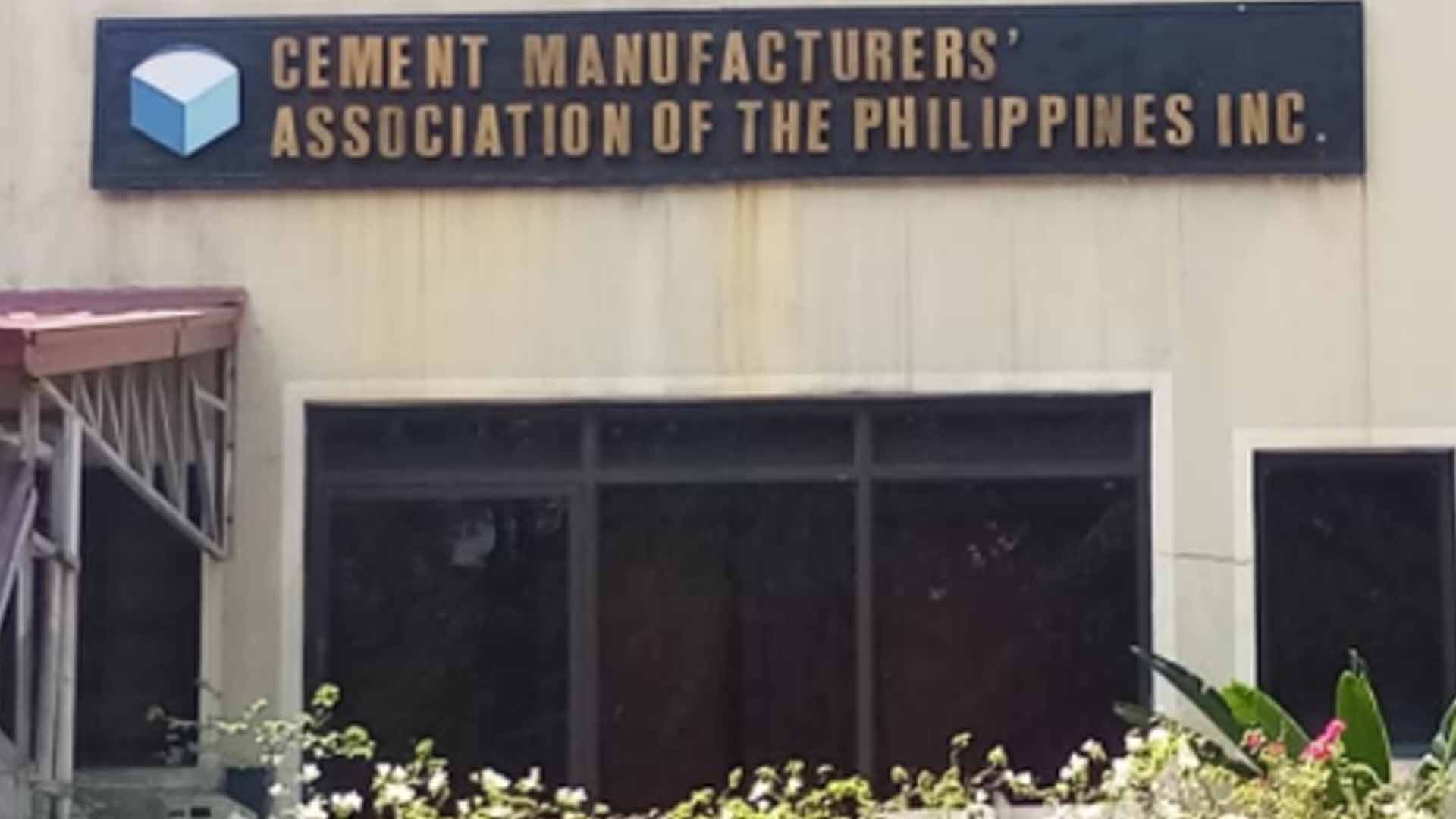






The Cement Manufacturers Association of the Philippines (CeMAP) has once again joined forces with the Federation of Philippine Industries (FPI) to give their full support to the DTI’s recently launched Build Lokal Campaign. An offshoot of the Buy Local push, Build Lokal promotes prioritizing proudly Filipino-manufactured building materials, including cement and steel among others.
In late 2020, both CeMAP and FPI actively campaigned for prioritizing locally manufactured building materials in order to support of the nation’s economic recovery and to protect against unfair practices of importers. Back in 2009, FPI launched the Buy Pinoy, Buy Local campaign with former President Arroyo signing A.O. No. 227 – directing all heads of departments, bureaus, offices and agencies of the national government including local government units, government-owned and controlled corporations, government financial institutions, state universities and colleges, military and police units to give preference in their procurement to materials and supplies produced, made and manufactured in the Philippines.
In light of the ongoing global pandemic, prioritizing locally manufactured building materials along with other Filipino products will not only further boost the Philippine economy but also help create and maintain jobs. Supporting local industries also protects Filipinos from the safety risks associated with patronizing imported building materials, some of which have been found to be of substandard quality in accordance with Philippine National Standards.
“CeMAP fully supports the DTIs commitment to help rebuild the nation through building with locally manufactured cement,” shared CeMAP Executive Director Cirilo Pestano. “The DTI’s Build Lokal campaign unites the industry under one clear and strong message that industry has an important role to play in ensuring the country bounces back from hard times stronger and better than ever.”
In addition to the Build Lokal campaign, the national government is also making good on its word to do what it can to support local industries on the road to recovery. In the recently passed General Appropriations Act (GAA), government agencies are now mandated to prioritize local building materials for infrastructure projects and all other activities. With this significant show of support, the Philippine government leads by example and decisive action when it comes to buying and building local.
“The Philippine building materials industry is grateful for the government’s deep commitment to helping our industries rise from our current struggles,” said FPI Chairman Dr. Jesus Arranza. “We look forward to the GAA’s Implementing Rules and Regulations (IRR) so that we may be better equipped to fully support the Philippine government’s infrastructure requirements.”


