



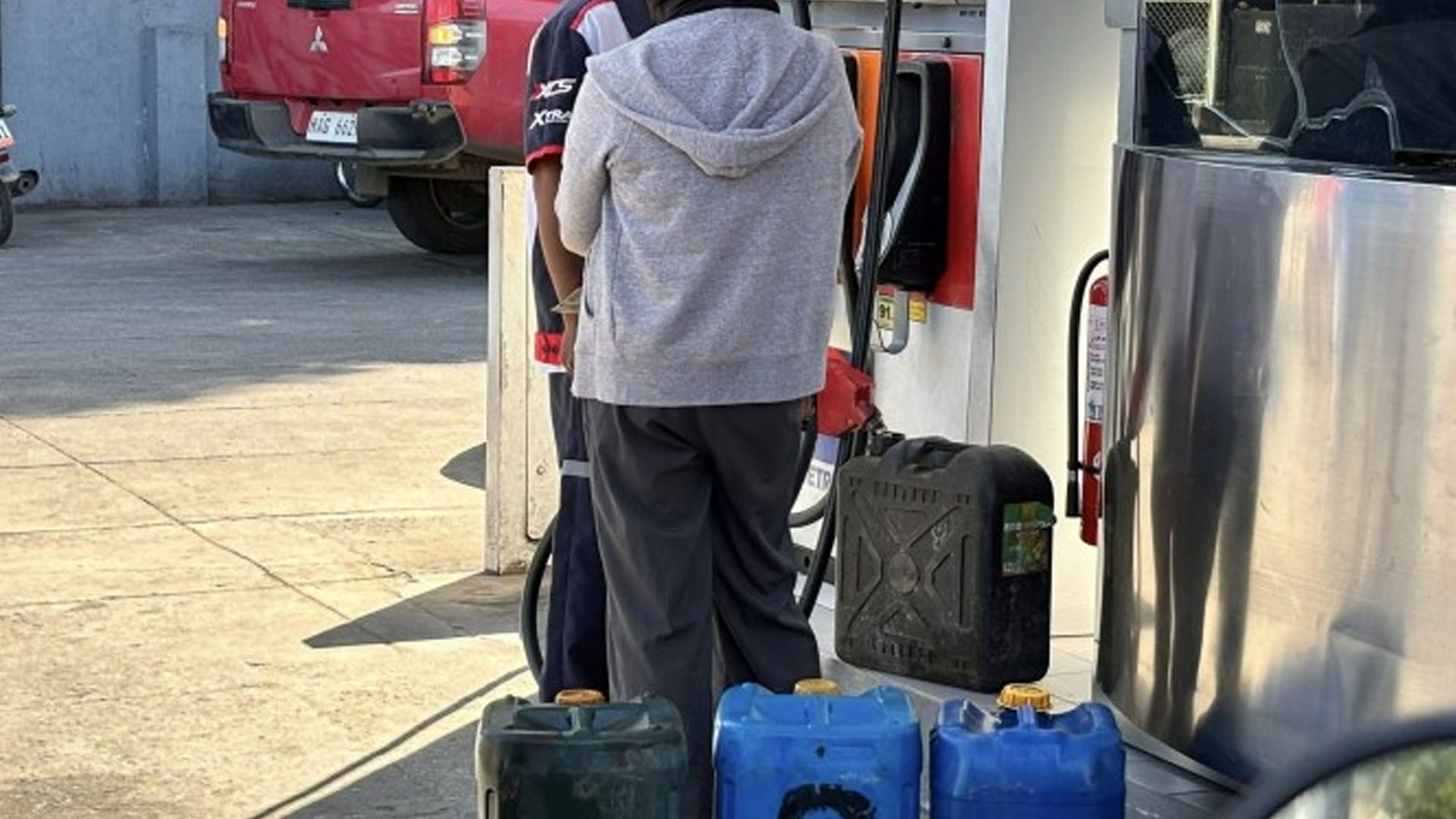






Farmers and fishers are allowed to buy petroleum products using portable containers, the Department of Agriculture (DA) assured on Friday.
In a statement, Agriculture Secretary Francisco Tiu Laurel Jr. reiterated that the policy applies to legitimate operational needs in the agriculture sector.
“Our farmers and fisherfolk could rest assured that they will continue to have access to the fuel they need for their productive activities,” he said.
Guidelines issued by the Department of Energy (DOE) allow farmers and fishers to buy petroleum products using jerry cans and drums for the operation of agricultural machinery like tractors, irrigation pumps, fishing vessels, and marine equipment, among others.
These purchases using portable containers, however, are considered legitimate provided their compliance with anti-hoarding rules and equitable fuel sale.
Buyers are required to present proof of operational necessity, including business permits, certifications, or purchase orders, to validate their fuel requirements.
To ensure compliance, the government has deployed monitoring teams in gasoline stations, including members of law enforcement and local government units. (PNA)


