



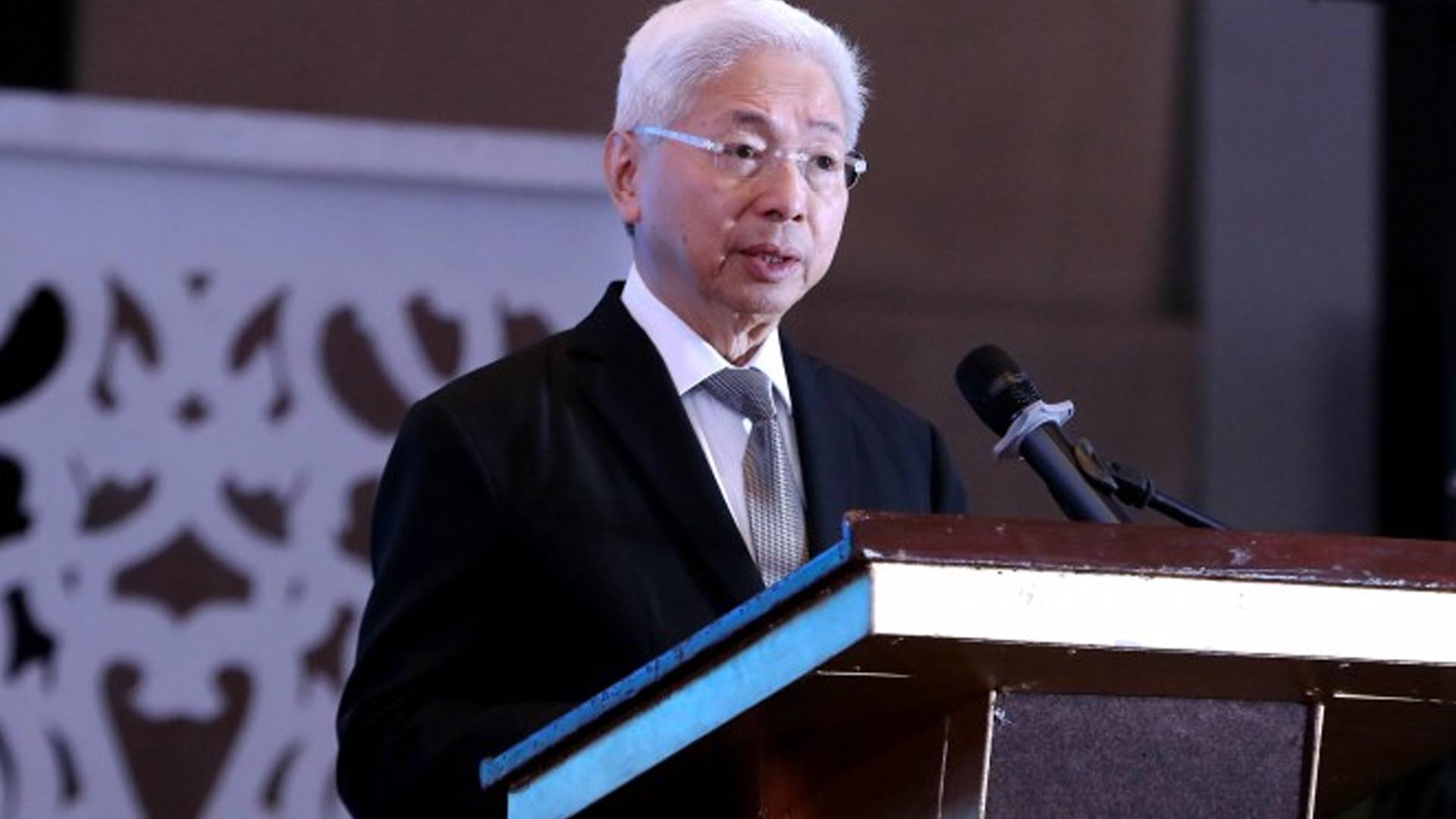







Despite the decline in foreign direct investments (FDIs) inflows, Department of Trade and Industry (DTI) Secretary Alfredo Pascual said on Monday that investors’ confidence in the country continues to remain solid.
Pascual made the statement following the reported 20-percent FDI decline in the first half of the year.
Data from the Bangko Sentral ng Pilipinas (BSP) showed that FDI inflows during the period amounted to USD3.9 billion, down from the USD4.9 billion net inflows seen in the first half of 2022.
“In summary, although FDI in the Philippines declined in the first semester of 2023, there remains solid foreign investor confidence in the country, as demonstrated by the high reinvested earnings and the rising foreign investment approval by BOI and other IPAs (investment promotion agencies),” Pascual said.
He said FDI numbers reflect decisions investors made well before the actual funds’ inflow recorded by BSP.
Pascual said global financial conditions, both high inflation and interest rates, contributed to the decline.
However, he noted that other Association of Southeast Asian Nations (ASEAN) also reported drops in their FDIs.
“Factors such as inflation rates and investment rates substantially influence FDI decisions. Stable inflation and competitive interest rates generally attract FDI, whereas high inflation and unfavorable rates can repel foreign investors,” Pascual said.
“Under the Marcos Jr. administration, a representative metric of investment performance is the foreign investment approvals by the DTI’s IPAs,” he added.
The trade chief said total IPA approvals for the first half of the year already went up to USD8.45 billion compared to the USD1.06 billion seen last year.
Pascual said FDI in a particular year does not solely arise from recent investment leads.
He said these could be based on decisions made years prior and might be realized in stages, taking into consideration the project’s nature, the involved sector and the host’s country regulatory environment.
“The future looks promising given the rising trend in foreign investment approvals by BOI and our other IPAs and the continued efforts to promote the Philippines as an attractive investment destination,” he added. (PNA)


