



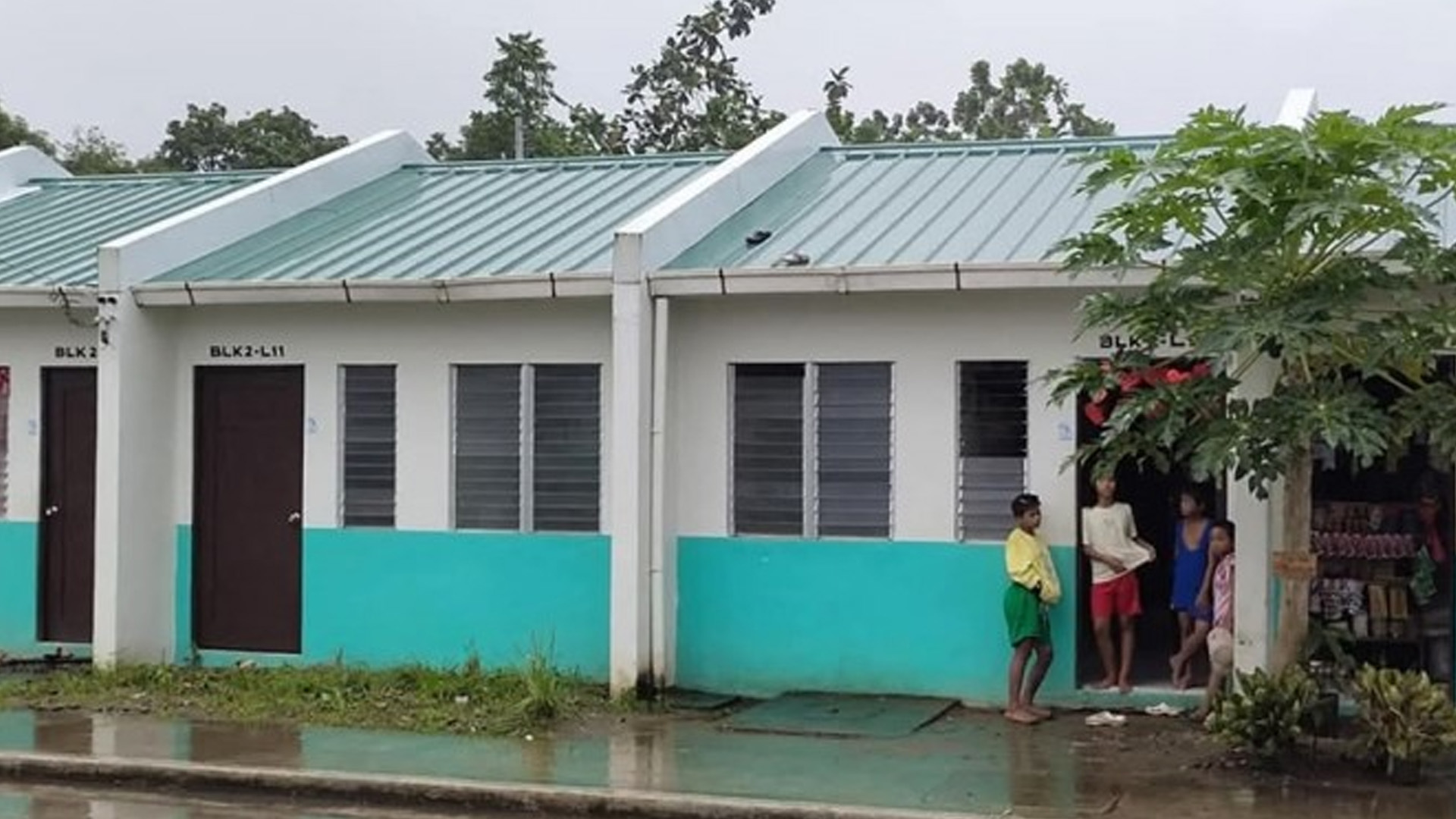






In line with the directive of President Ferdinand R. Marcos Jr. to ensure that Pantawid Pamilyang Pilipino Program (4Ps) beneficiaries will not slide back to poverty, the Department of Social Welfare and Development (DSWD) has partnered with the Department of Human Settlements and Urban Development (DHSUD) for the Expanded Pambansang Pabahay Para sa Pilipino (4PH) program.
In a televised interview on Wednesday, Assistant Secretary Irene Dumlao said the ongoing partnership with DHSUD is just one of the many initiatives of the DSWD in exploring other assistance and services to help the 4Ps beneficiaries achieve self-sufficiency.
“Yung pong ating mga 4Ps beneficiaries ay kasama po dyan (4PH) provided na sila ay nasa Level 3 na, o yung self-sufficient na sila. Kasi mino-monitor namin ang aming mga 4Ps beneficiaries at tinitingnan nga natin kung nag-iimprove yung kanilang (Our 4Ps beneficiaries are included in 4PH provided that they have attained Level 3 or are self-sufficient. We monitor them if they have improved their) level of well-being,” the DSWD spokesperson said.
“So, aside from empowering them and providing them with livelihood assistance, mahalaga na mabigyan din sila ng kanilang sariling mga tahanan (it is important that we also provide them with their own homes),” she added.
The 4PH is the government’s primary housing initiative, designed by DHSUD to offer affordable housing options for working-class families and low-income households, such as 4Ps members.
Dumlao said the 4PH housing units can be availed by 4Ps families that have achieved self-sufficiency status and are capable of sustaining monthly amortization payments.
“Hindi libre. Ito ay subsidized at nagbabayad pa rin po yung ating mga 4Ps beneficiaries ng monthly amortization. Again, ang ating mga 4Ps beneficiaries dapat na sa Level 3 na, ibig sabihin may kakayahan na magbayad kasi meron ng miyembro ng pamilya na nagtatrabaho, so meron ng additional resources (This is not free. This is subsidized, and the 4Ps beneficiaries still have to pay monthly amortization. They should be at Level 3, meaning they have the capability to pay because one of their members is working and they already have additional resources),” she said.
Based on the Social Welfare and Development Indicator (SWDI), families are classified under three levels: Level 1 (survival), Level 2 (subsistence), and Level 3 (self-sufficient). Families who reach Level 3 are scheduled to graduate or exit from the program.
Currently, the housing site of 4Ps beneficiaries is located in Abuab Tower, Guitnang Bayan II. The DHSUD plans to offer more housing options sites to 4Ps beneficiaries in the future.
Established in 2008 and later institutionalized under Republic Act 11310, the 4Ps serves as the Philippine government’s flagship anti-poverty program, prioritizing human capital investment in the health, nutrition, and education of children from poor households. (PNA)


