



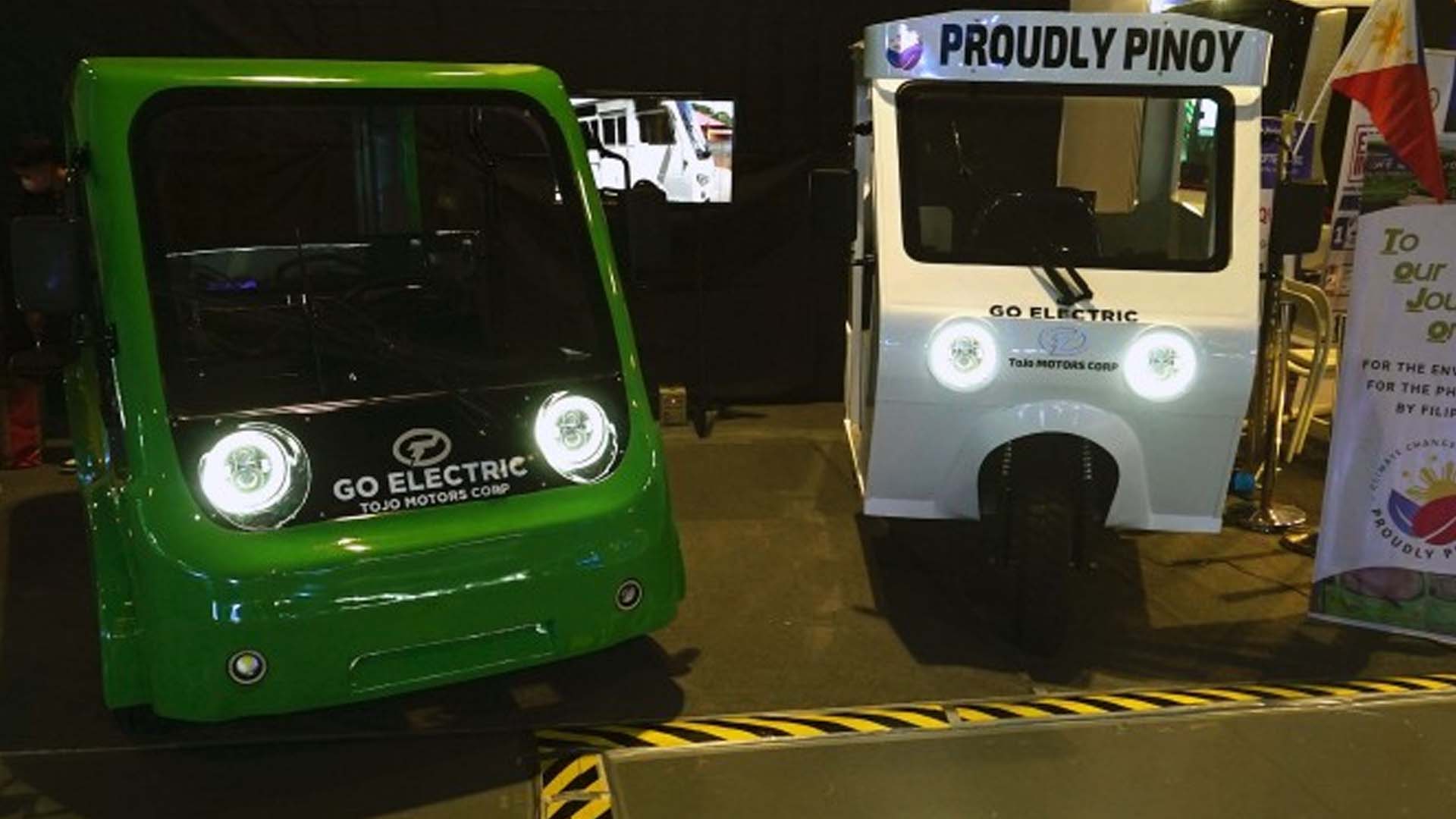







There are now six classifications of electric vehicles (EVs) in the Philippines, up from the previous four, based on the amended Department of Energy (DOE) guidelines.
According to DOE Department Circular (DC) No. DC2025-09-0015, which is an amendment of the DC No. 2023-05-0012 and published on its website on Tuesday, EV classifications are namely:
- Battery EVs (BEVs), or those with a traction battery as power source, including the pure electric vehicles (PEVs)
- Hybrid EVs (HEVs), or those with both rechargeable energy storage system (RESS) and a fueled power source, and have tailpipe emissions
- Light EVs (LEVs), or those used in micromobility such as electric scooters, electric bicycles or those that weigh less than 50 kg.
- Plug-in Hybrid EVs (PHEVs), or the HEVs with RESS that can be charged from an external energy source and have tailpipe emissions
- Range Extender/d EVs (REEVs), or the HEVs propelled by an electric motor only with a fueled power source specifically used for charging the RESS; and
- Fuel Cell EVs (FCEVs), or those with no tailpipe emissions that use a fuel cell to generate power.
Previously, EVs are only classified as BEVs, HEVs, LEVs, and PHEVs.
This is among the amendments under the new Circular, issued after the nationwide public consultations held on July 15 and 23, 2025.
The other amendment includes terms given definition, in line either the introduction of new technological innovations, as well as the recognition of documentary requirements and EV recognition application.
“Recognized EVs notified by MARS (manufacturers, assemblers, importers, and rebuilders) as discontinued or no longer offered for sale in the Philippines shall be classified as ‘not marketed’ and removed from the Recognized EV List,” the Circular reads.
Energy Secretary Sharon Garin, in a statement, said these changes were made as “a critical step toward building a more organized, accessible, and future-ready EV market in the Philippines.”
“By harmonizing our EV recognition guidelines, we are reducing administrative burdens, increasing transparency, and accelerating EV adoption nationwide,” she said. (PNA)


