









The Department of Education (DepEd) in Region 5 (Bicol) said it is eyeing 305 public schools across the region as pilot sites for face-to-face (F2F) classes once President Rodrigo Duterte gives the green light in low-risk areas for coronavirus disease (Covid-19).
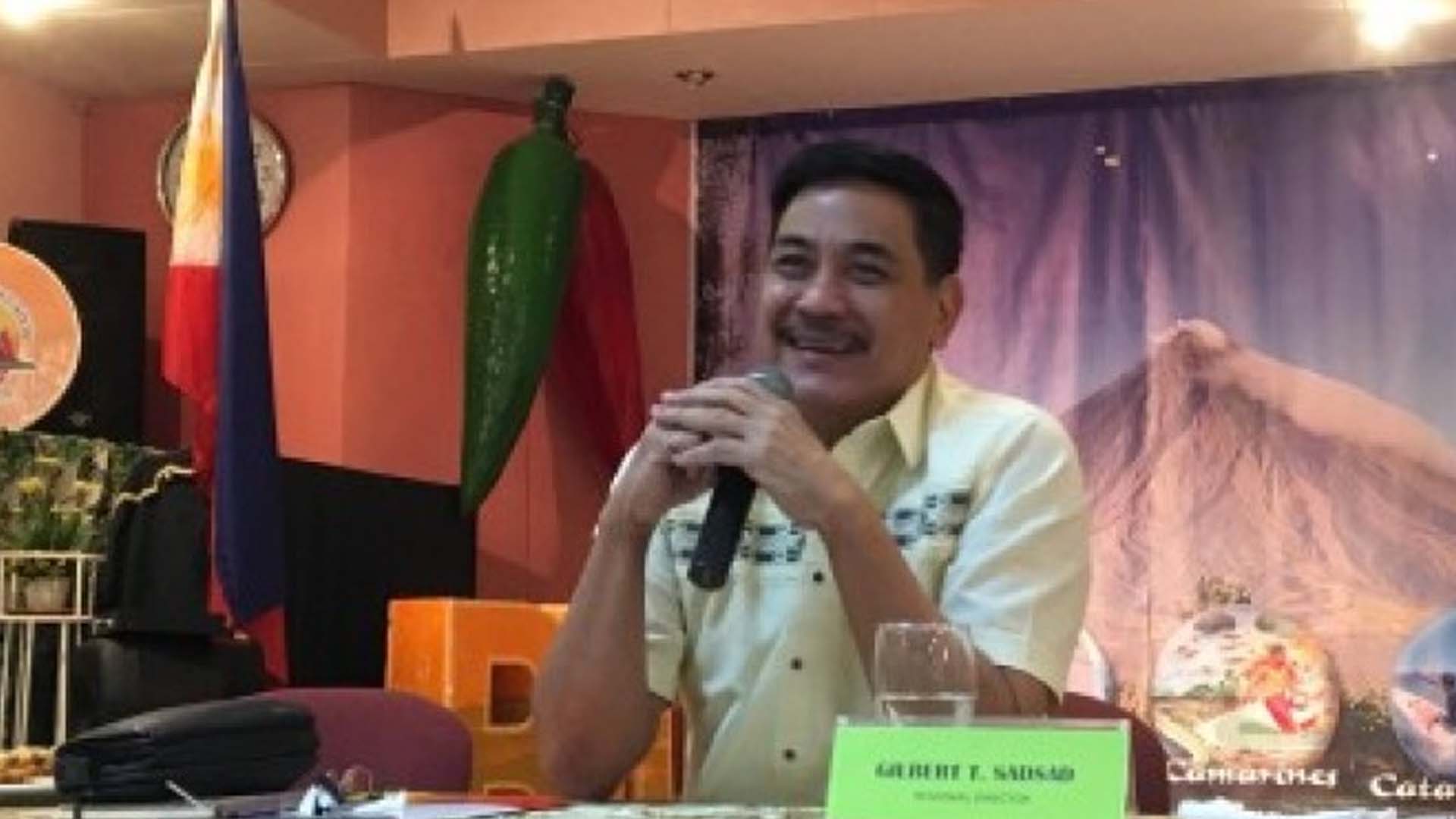
Gilbert Sadsad, DepEd-5 regional director, in a virtual media forum on Wednesday, said they are just waiting for the final approval of limited in-school classes in identified rural communities with a low number of Covid-19 cases.
Sadsad said they have conducted surveys, mapping out schools that would qualify as pilot areas.
He, however, said they could not yet release the list of these institutions.
Sadsad said under the guidelines, a minimum of 12 and maximum of 20 learners would be accommodated in a classroom, which must be installed with plastic partitions or health barriers.
The students must be residing near the selected pilot schools so they would not need to travel, and since classes would be a half-day session, they would not be allowed to have lunch on-site to prevent them from socializing during the break.
The schools should also have separate entrance and exit passages where alcohol and sanitizers must be available.
Meanwhile, teachers should see to it that the minimum health protocols would be strictly followed such as wearing of face mask, physical distancing, and avoid mass gatherings. (PNA)


