



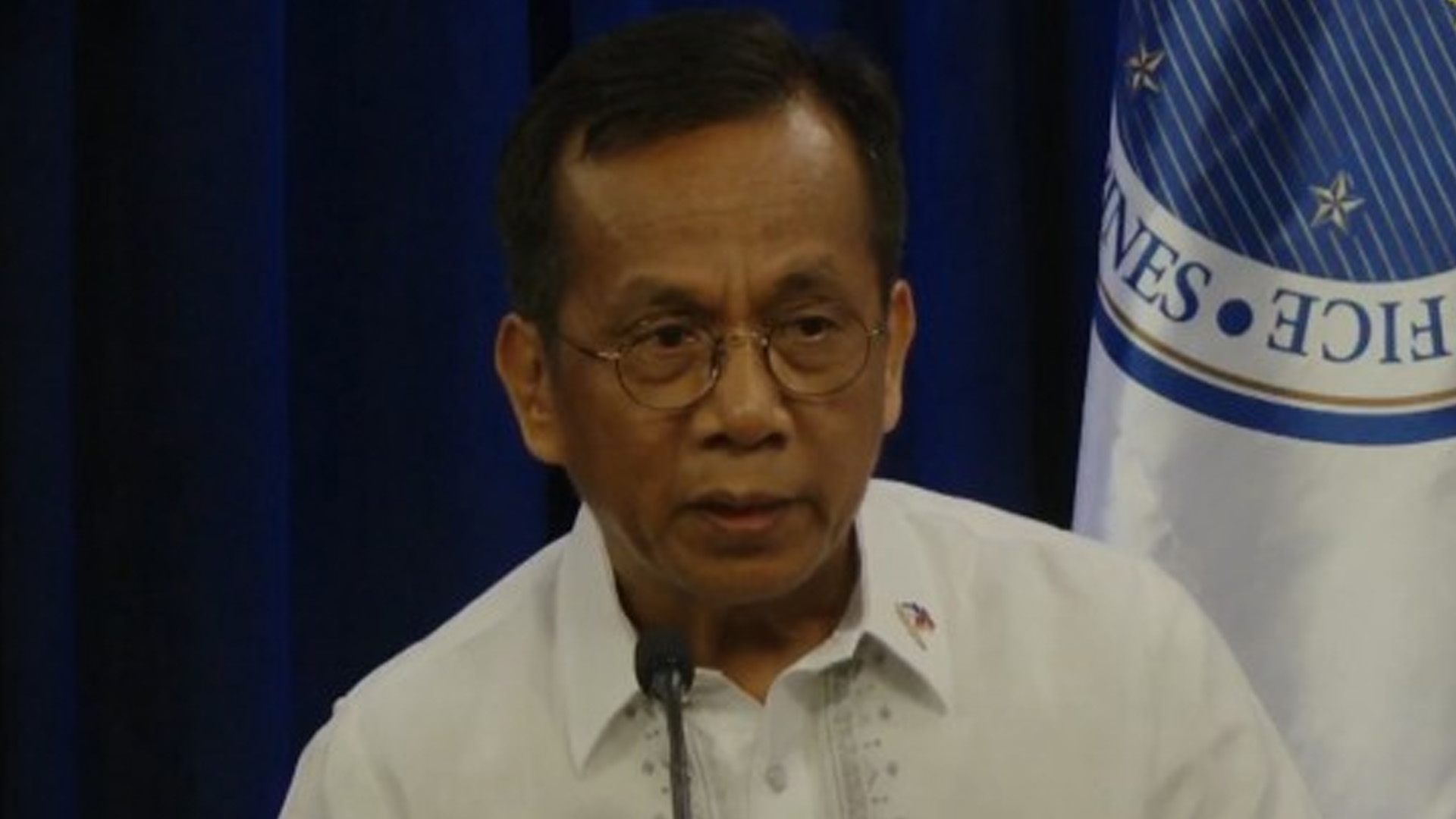







The Department of Economy, Planning and Development (DEPDev) vowed to strengthen the role of monitoring and evaluation (M&E) to ensure that policies and programs would uplift Filipino lives.
Speaking at the 12th M&E Network Forum on Monday, DEPDev Secretary Arsenio Balisacan said progress should not be solely measured by growth figures, but by whether government actions ease the burdens of ordinary Filipinos.
“Impactful growth means better public services, more secure and sustainable livelihoods, and stronger public trust in government. M&E plays a central role here. It helps us see whether commitments are being met, whether resources are used wisely, and, most importantly, whether programs are delivering real benefits to our people,” Balisacan said.
The forum underscored the importance of integrating M&E into the government’s planning, budgeting and implementation.
Balisacan said the recent passage of Republic Act No. 12145, or the Economy, Planning and Development Act, strengthens DEPDev’s mandate for evidence-based policymaking.
Discussions during the plenary and breakout sessions of the forum highlighted how M&E can guide budget and planning decisions under the new law, ensure that evaluation findings are used to improve government programs and policies, bridge gaps between data and decision-making, amplify citizen voices through civil society’s use of evidence, and institutionalize M&E at the project and program level to strengthen accountability.
“That is why this forum is so important. It brings all of us together to turn the President’s mandate into action — to ensure that growth and public expenditure are translated into measurable outcomes and tangible benefits for every citizen,” Balisacan said.
DEPDev has been conducting several M&E initiatives in collaboration with development partners across critical growth sectors, including agriculture, labor, health, and social protection.
Capacity-building efforts are also being rolled out to regions, including the Bangsamoro Autonomous Region in Muslim Mindanao to expand the pool of evaluators nationwide.
Forum discussions also emphasized the urgency of prioritizing limited resources to maximize impact, as the country marks the midpoint of the Philippine Development Plan 2023–2028 and advances further in its commitments to achieve the Sustainable Development Goals.
“Together, let us make M&E in the Philippines not just a compliance tool, but a genuine driver of inclusive, resilient, and sustainable development,” Balisacan said. (PNA)


