









The Department of Economy, Planning and Development (DEPDev) in the Cordillera said that the expanded career progression (ECP) of the Department of Education (DepEd) contributed to the improved regional economy.
“Education services emerged as the fastest growing industry with an 11.9 percent growth rate and ranking as the third-highest contributor to the gross regional domestic product (GRDP) growth rate. This can be attributed to the implementation of the ECP system for teachers and school heads in 2025, which reclassified teachers, resulting in higher pay grades,” Dolores Molintas, DEPDev-Cordillera assistant regional director, said in a message on Friday.
Around 8,100 teachers, school heads, and principals across the region’s six provinces and cities were promoted to higher positions with increased salaries, providing many families with additional disposable income.
She added that closing learning gaps, improving teacher support systems, reducing administrative burdens and expanding technical-vocational training aligned with priority sectors, and addressing persistent infrastructure and connectivity gaps in education also contributed to the regional economic performance.
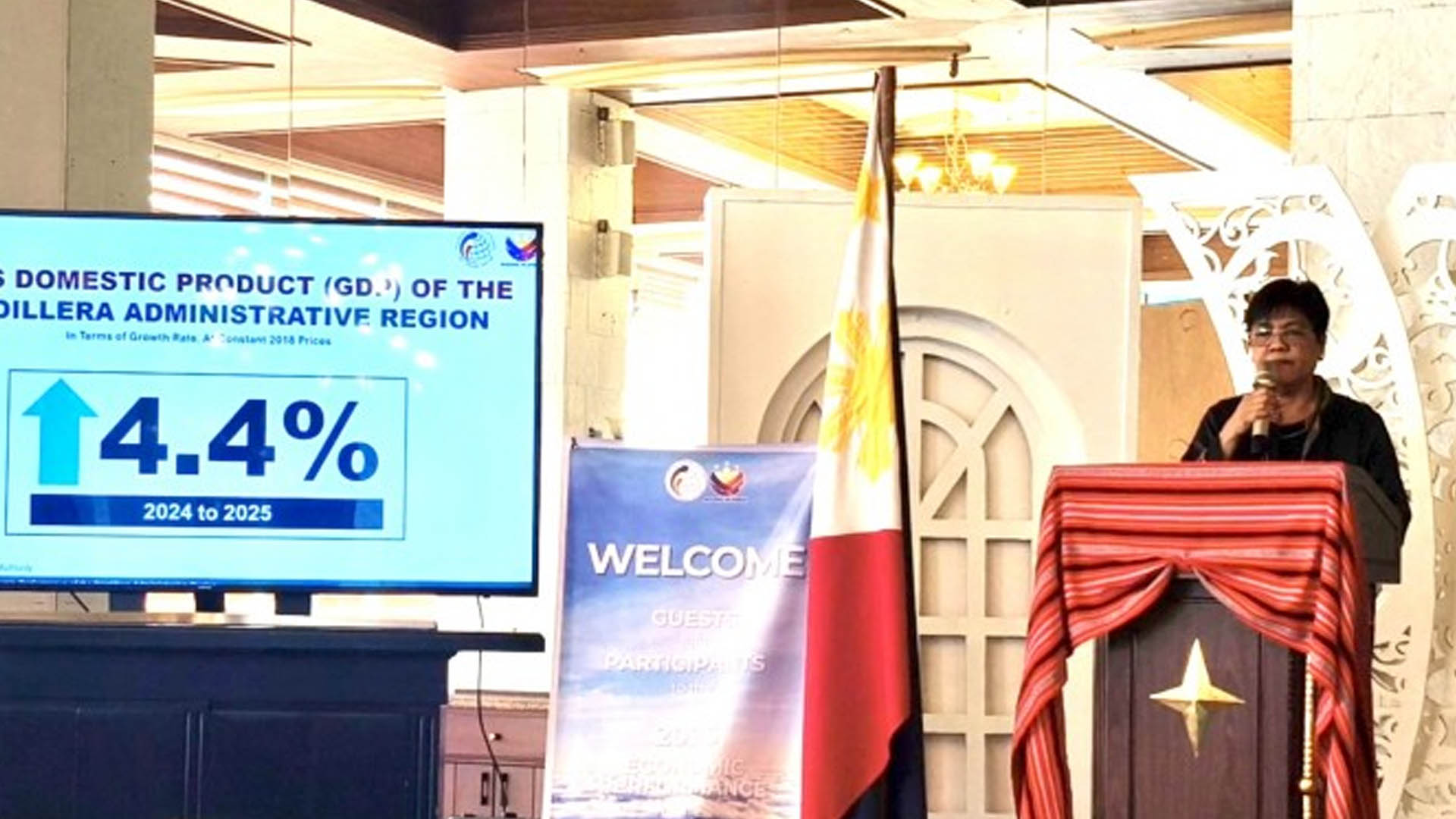
The Philippine Statistics Authority (PSA) earlier reported a 4.4 percent growth in the region’s economy, reflecting improvements in major sectors.
Molintas said the stable prices of goods and services in the region, with the annual average inflation rate of 1.2 percent supported growth in household final spending. (PNA)


