



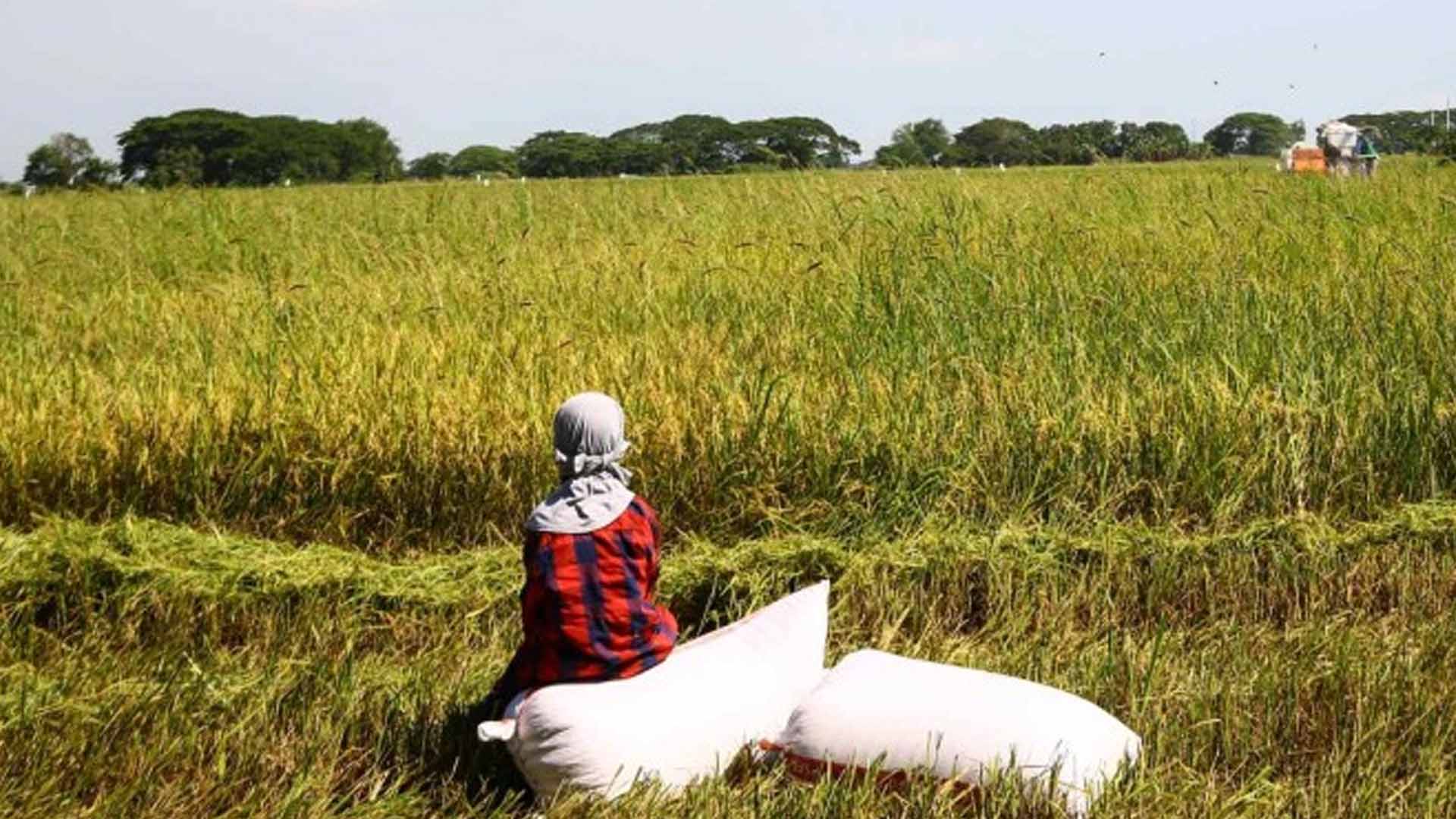







The Department of Agriculture (DA) is strengthening the annual observance of National Rice Awareness Month (NRAM) this November with the continuing theme “Be RICEponsible,” aimed at promoting healthier and more responsible rice consumption while supporting local farmers.
NRAM is celebrated every November to raise public awareness on the importance of rice, address malnutrition and poverty and promote national rice self-sufficiency.
“This started with the United Nations’ declaration of the International Year of Rice in 2024 and was reinforced through Proclamation No. 524,” Philippine Rice Research Institute Supervising Science Research Specialist Charisma Love Gado-Gonzales said in a radio interview on Wednesday.
“Layunin po nito na hikayatin ang bawat Pilipino na may magagawa tayo (The goal of this is to encourage every Filipino that something can be done) in our simple ways for ourselves, the farmers, and the country,” she added.
She noted that irresponsible practices — including food waste, avoidance of nutritious rice varieties, and preference for imported rice — continue to affect the rice sector.
A key component of the initiative is the “A-Ba-Ka-Da” movement, which encourages consumers to adopt mindful rice practices:
- Adlay, mais, saba, atbp. ay ihalo sa kanin – Mix rice with other staples such as adlai, corn, and saba;
- Brown rice ay kainin – Choose brown or unpolished rice;
- Kanin ay huwag sayangin – Avoid wasting rice;
- Dapat bigas ng Pilipinas ang bilhin – Support locally produced rice.
The campaign encourages households, schools, agencies and communities to make every grain count by embracing healthier diets and choosing rice varieties that are nutritious and sustainably produced.
Gado-Gonzales said the Philippines’ goal of rice self-sufficiency cannot rely on government efforts alone.
It requires public cooperation and lifestyle changes, particularly as fast food and heavily processed meals have become more common in recent years.
“Gusto natin yung mabilis kaya mas prefer natin ang fast food, convenient at minsan mataas sa asukal na mga pagkain (We want everything fast, so we tend to prefer fast food, convenient and sometimes high-sugar meals),” she said, noting that the campaign seeks to remind Filipinos of healthier food choices, including better rice consumption habits.
She added that supporting local farmers by purchasing locally produced rice is crucial in increasing farmers’ incomes and reducing dependence on imported rice.
Now on its 10th year, the “Be RICEponsible” campaign continues to push for sustainable and health-conscious consumption patterns, reinforcing rice as both a cultural symbol and a vital component of national food security. (PNA)


