



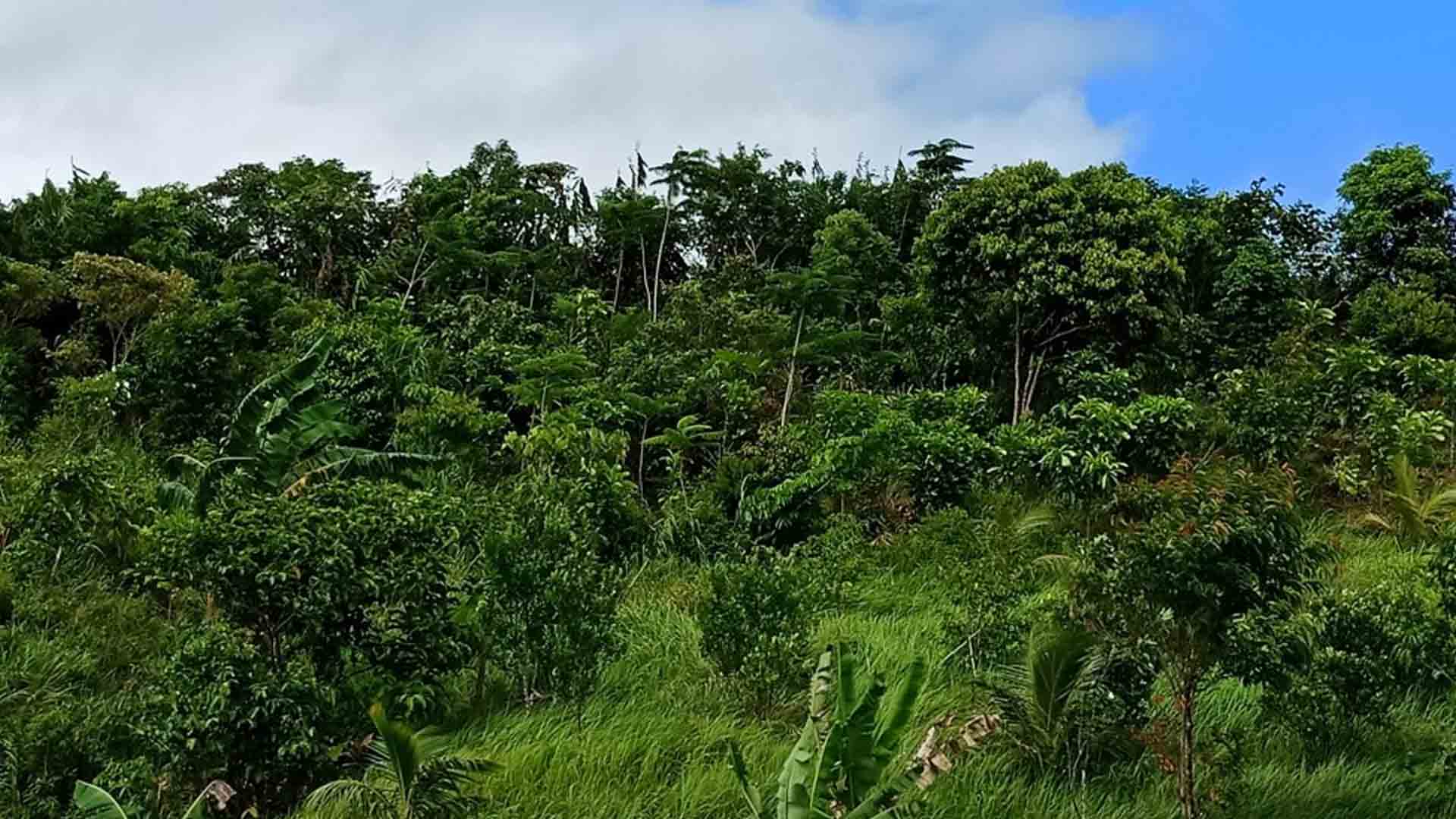






Degraded areas are the usual battlefield for many conservationists and civil society groups like Haribon Foundation, which work toward bringing back the country’s forests through restoration campaigns.
A lot of work is needed to turn the dream of having a place full of trees, wildlife, abundant water, and fresh air into reality. A typical citizen can help in realizing this aspiration by volunteering in tree planting activities as part of Haribon’s Forest for Life Movement (FFL) or enlisting their own forest restoration efforts into the movement.
For Haribon, these people are much more than volunteers or supporters; they are the main agents of change whose contributions make renewed forests for future generations possible. Through FFL, Haribon and its volunteers are restoring the Philippine forests using native tree species.
Despite these efforts, however, bringing back the lost forests of the country is an endeavor that does not instantly bear fruit as it requires at least three years of intensive maintenance and monitoring activities to attain a higher probability of success.
A lot more work follows these efforts for a successful restoration, including forging a long-term commitment from local and national government agencies and local communities to ensure that planted seedlings will grow into its fullness even after the three-year assistance from Haribon.
Began in 2006, the degraded areas under FFL (previously ROAD to 2020) have now transformed into lush forests – thanks to the local partners who toiled in keeping the native trees healthy throughout the years.
More than a decade into the movement, Haribon has identified various local drivers affecting tree survival during restoration. Such factors are biological and social including site and species matching, appropriate land-use, presence of a legitimate community partner, consistent efforts to maintain the site, and protection through financial and policy support from local government units.
Poverty has also been identified as a factor that affects forest restoration, which Haribon has sought to address by enhancing its restoration protocols and introducing a community-based approach. Under this approach, Haribon provided incentives to its community partners in addition to increasing the years allocated for maintenance activities of planted trees (from one year to three years).
These incentives include increased cost of seedlings and maintenance fees and provision of livelihood funds and fruit trees to augment the income of community partners. By providing livelihood opportunities to community stewards, poverty has become less of a deforestation driver.
The sustainability of planted sites will ensure the continued provision of sufficient water, fresh air, protection against natural calamities, and long-term mitigation measures against climate change for us all.
Haribon continues to support its community partners so they can confidently respond to the challenges in restoring the country’s lost forests, thereby lessening the deforested areas in various forest restoration sites in the country.
Lesser degraded areas, means more forests. And more forests means more resilient communities.


