










The Climate Change Commission (CCC) has underscored the importance of empowering local government units (LGUs) to effectively address the challenges posed by climate change and mitigate disaster risk across the Philippines.
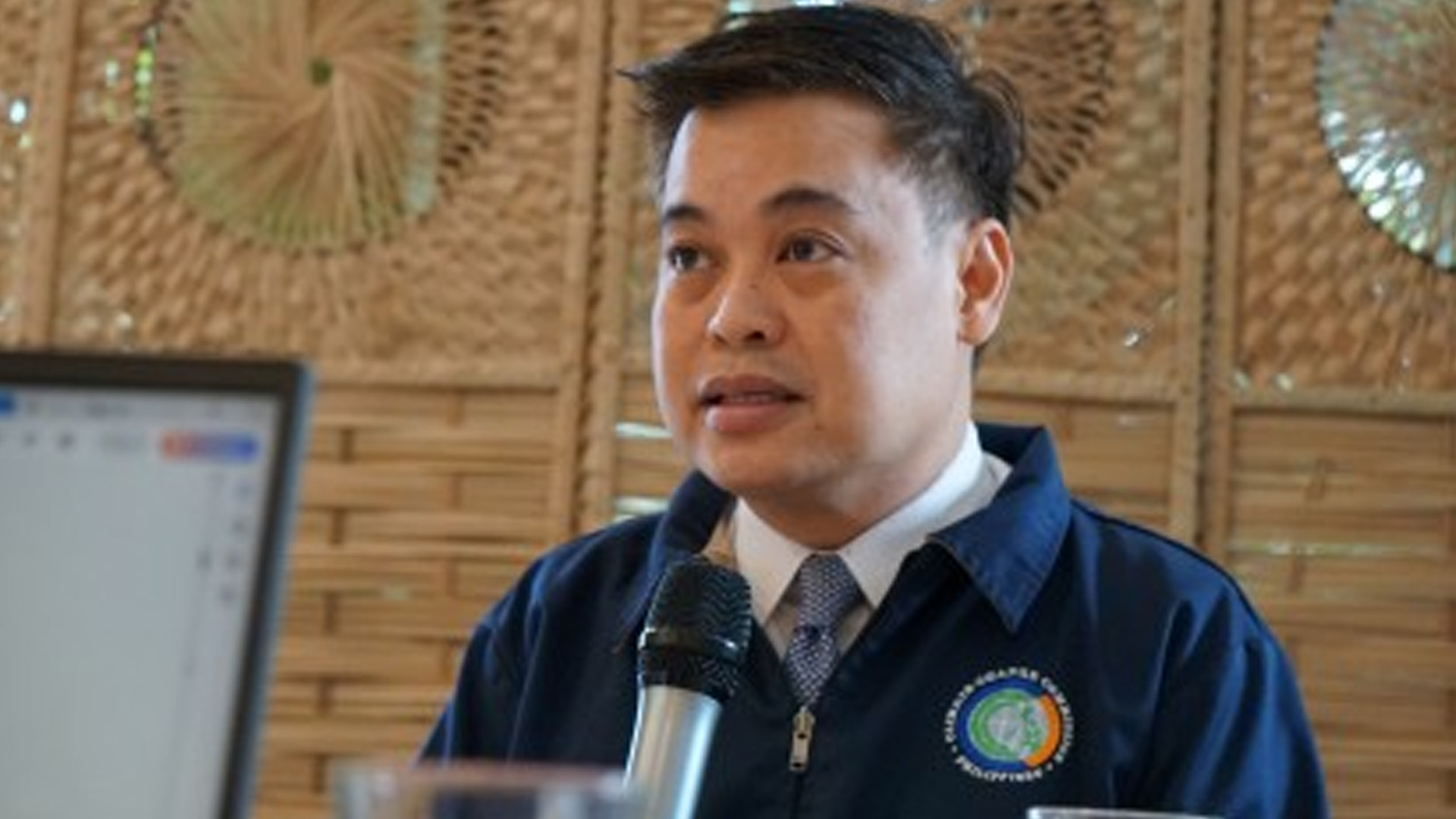
In a media briefing on Wednesday, CCC Vice Chairperson and Executive Director Robert E.A. Borje highlighted the National Adaptation Plan (NAP), which serves as a roadmap for enhancing the country’s climate resilience.
Borje said the country’s NAP, submitted to the United Nations Framework Convention on Climate Change (UNFCCC) earlier this year, outlines strategies for adaptation and disaster risk reduction, aiming to empower communities against the worsening impacts of climate change.
He said LGUs need to have primary access to the NAP’s data, climate projections, and recommendations to address vulnerabilities at the community level.
“This plan will be most effective if it’s localized,” Borje said.
“We really need the direct intervention sa kanila (to them), and we need to empower them.”
Borje said LGUs, together with concerned national government agencies, must be able to download the data, apply the recommendations, and integrate these resources into their own climate policies.
He said recent weather disturbances have been observed to have become more intense and devastating, and the country’s exposure to risks and hazards has also elevated.
Borje said the NAP has been provided to the different government agencies with a standing order from President Ferdinand R. Marcos Jr. to localize them, emphasizing the importance of providing guidance and assistance to areas that need support from various LGUs to improve climate change mitigation efforts at a local level that would benefit the country as a whole.
The NAP is the national instrument to pursue efforts of all levels of governance to address climate risk and reduce the country’s vulnerability to climate change impacts.
It aims to bolster adaptive capacity, foster resilience, and integrate adaptation into relevant policies and programs, including public-private partnerships.
As the Philippines braces for Climate Change Consciousness Week, scheduled from Nov. 19 to 25, the CCC reiterated the role of LGUs as vital players in achieving climate resilience.
He also called on all sectors, including media, civil society, and the private sector, to support LGUs in building adaptive capacities and raising climate awareness. (PNA)


