



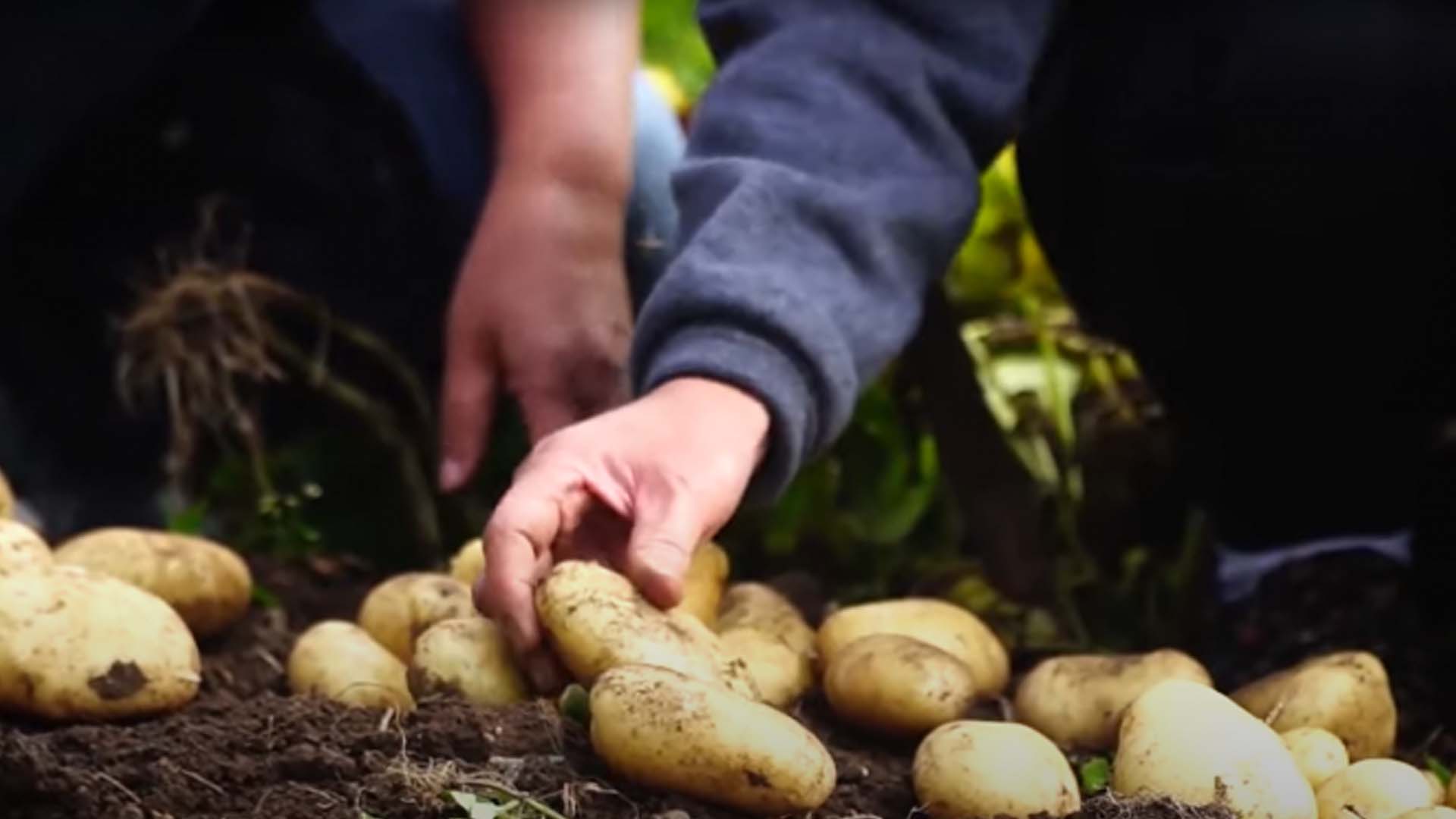







A steady supply of potatoes is now assured since a more pest resistant potato planting materials developed by the Benguet State University (BSU) have been distributed to farmers since 2016.
In an interview Monday, Teresita Masangcay, designated director of the Northern Philippine Root Crops Research and Training Center of BSU, said hundreds of farmers have received the seedlings.
“We started to distribute research product clean planting materials since 2016 with the aim of replacing the more than 20 years old plants of the farmers that were produced from previous cropping season for better yield,” she said.
Masangcay said many farmers have been using planting materials from previous plants that they have been recycling for about 20 years, making the plants more susceptible to pests.
This, she said, is the reason for the development of clean planting materials.
“We continue to develop the clean planting materials, initially producing them using soil as substrate then to IVF (invitro fertilization) and now the hydroponics and the aeroponics systems,” she said.
With the new technologies of producing the planting materials, the seedlings are more resilient to the blights pest that causes the tubers to “melt” and infect the plants during the rainy season, and the bacterial wilt during the dry months that causes potatoes to wilt and do not produce tubers.
Masangcay said they are also currently testing their “clean” seedlings for resistance to potato wart.
Using the aeroponics and hydroponics system, the research also found that production also improved.
Masangcay said using the conventional way of planting potato produced an average yield as much as seven tubers but using aeroponics produced an average of 11 up to 16.
She said the newly produced seedlings have been found to increase farmers’ production by 20 to 30 percent and can be used as source for seedlings for six to seven cropping.
“We are confident that soon, all the farmers will have their share of the new clean seedlings, especially with government contracting farmers to help produce the clean planting materials,” she added.
A BSU report shows that 10 farmer cooperators from the municipalities of Bakun, Atok, Buguias and Kabayan were tapped in the research process.
Masangcay said research funds from the Department of Agriculture were used to produce tissue-cultured planting materials in 2016.
In 2019, the Department of Science and Technology (DOST), under the Niche Center in the Regions (NICER) for Research and Development program, funded a continuing research, which was monitored by the Philippine Council for Agriculture, Aquatic, and Natural Resources Research and Development (PCAARRD).
Masangcay said they also collaborate with other government agencies in encouraging the farmers to also produce another potato variety – the Igorota variety, which is required for processed potatoes due to its low water content. This variety, however, requires longer gestation period.
“Farmers opt for the granola variety, which requires only about 80 days, thus giving farmers more cropping seasons. We are trying to convince them to produce the Igorota so that we can supply the needs of the food chain,” she said.
Masangcay said that while challenges are being experienced, the academe continues to come up with researches, with the help of government agencies, to help boost food production.
“We will never stop what we do. We are also training young researchers by passing on the technologies to them so that there will be a continuity of government program,” she added. (PNA)


