



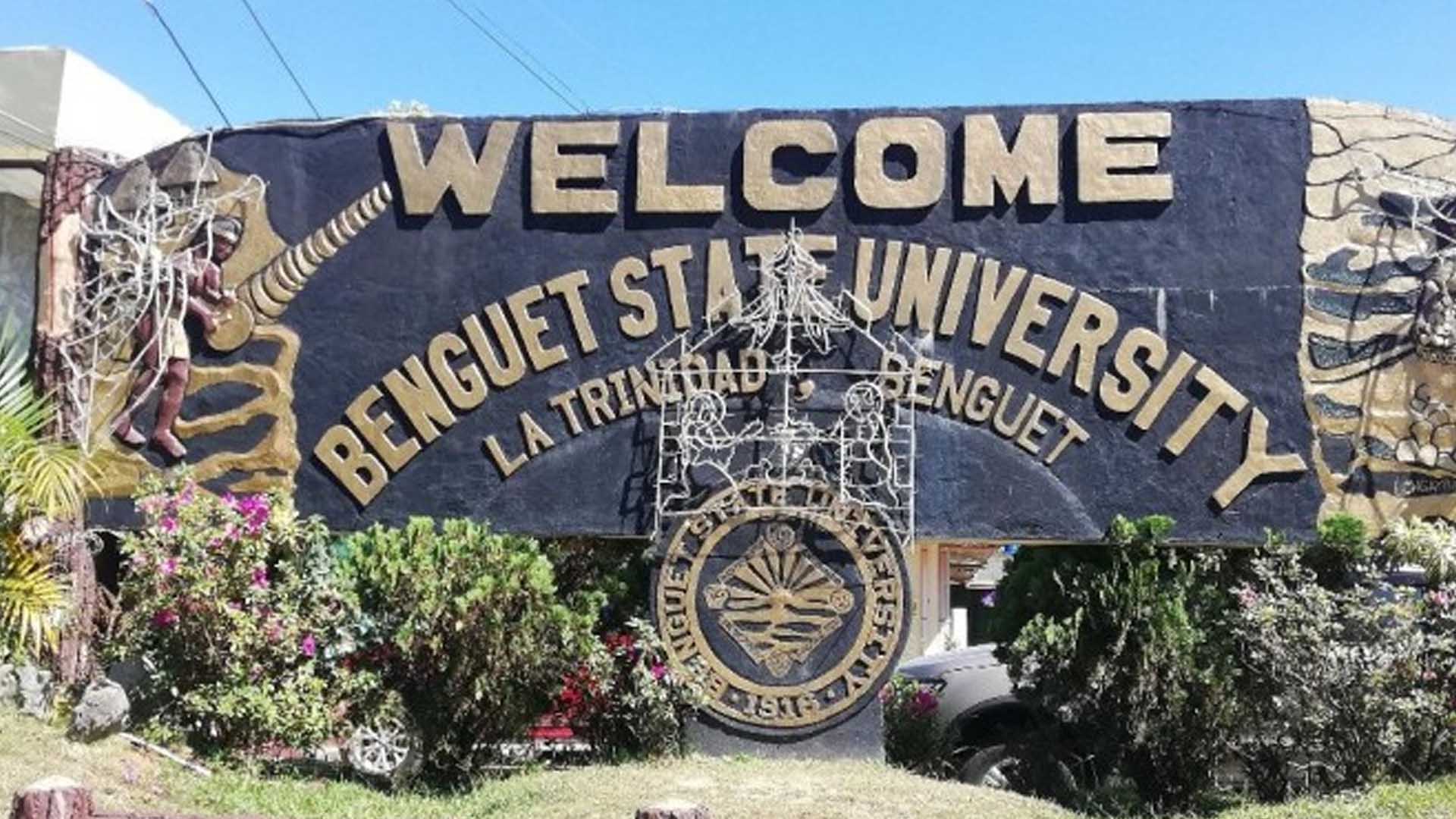







The Benguet State University (BSU) eyes to establish about 100 hectares of bamboo forest to support reforestation efforts, the bamboo textile project, and engineered bamboo production.
Dr. Roscinto Ian Lumbres, BSU vice president for research and extension, in a briefing Tuesday, said the project began in 2024 with the production of propagules that were planted starting this year.
He said they used the PHP5 million bamboo development project fund from Senator Loren Legarda for the propagation of planting materials in San Pascual, Tuba, Benguet.
Initial reforestation sites include a two-hectare area at the Benguet Corp. in Itogon and the BSU compound in the municipality of Mankayan, he said.
Lumbres said the goal is to plant “bayog” and the “giant” bamboo species in at least 20 hectares this year.
He added that they are producing the “bayog” and the “giant” bamboo, which are indigenous to the region and the country.
He said they have teamed up with cooperatives to be more productive, noting that they have inked a memorandum of agreement with the manufacturer of the engineered bamboo in support of the wood industry.
“The BSU project is also part of the regional bamboo initiative that is in support (of) the bamboo production of the Cordillera,” he said.
Lumbres said they are also developing products, such as soap, using bamboo as raw materials instead of the usual baskets, bags, chairs, tables, and others.
He also mentioned the Philippine Textile Research Institute (PTRI) – Department of Science and Technology (DOST) that established the Bamboo Textile Fiber Innovation Hub at the Abra State University campus in the municipality of Lagangilang, to help boost the country’s bamboo fiber production.
He said the Japanese government has found interest in the university’s revival of its bamboo forest area during their visit to the school last December.
“They are coming back next week to finalize the partnership for the bamboo area project,” he said.
BSU president, Dr. Kenneth Laruan, during the same event, said the project is timely as the university celebrates its 39th charter anniversary this month with the theme “Advancing knowledge, research, technology, and environmental stewardship for a sustainable tomorrow.”
“What happens in the Cordillera ecological system may affect other regions. That is why there is a need to make some refocus and come up with programs for the environment,” he said. (PNA)


