



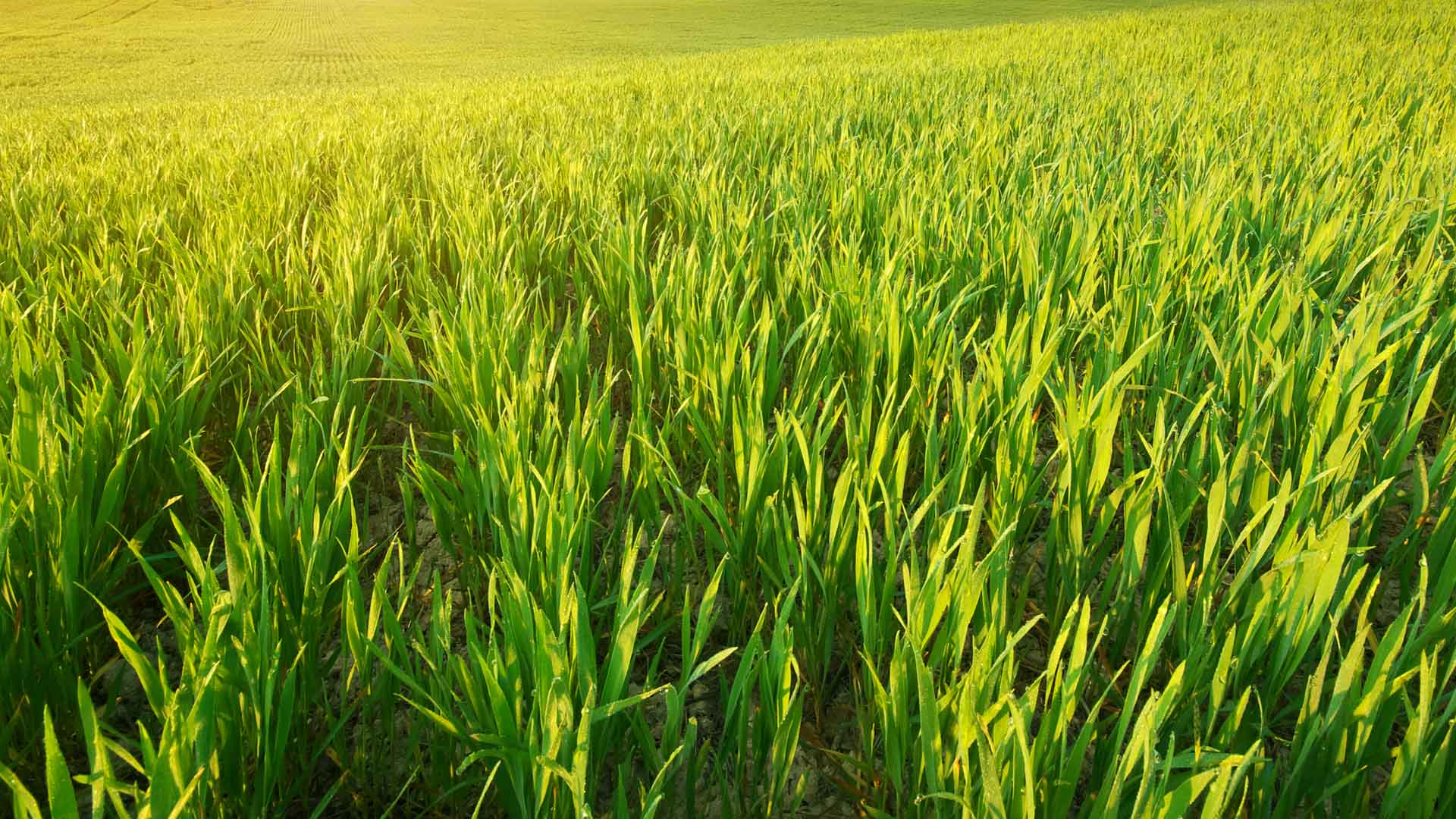






Hundreds of farmers in Negros Oriental province are expected to benefit from the country’s first-ever automated “bana” grass charcoal facility to be put up in Barangay Gomentoc, Ayungon town.
Edward Du, president of the Negros Oriental Chamber of Commerce and Industry (NOCCI), said Monday the facility will hold its groundbreaking ceremony on Wednesday.
Senators Imee Marcos and Cynthia Villar have been invited to grace the event, which is aimed to bring an alternative source of income to many Negrense farmers.
“The Green Bana Charcoal facility will help farmers find an alternative source of income, planting ‘bana’ grass in unproductive and idle lands with an already guaranteed buyer,” Du told the Philippine News Agency.
The concept is similar to the sugarcane industry where farmers will just bring their harvested cane to the sugar mills to be sold, Du said.
At least two harvest seasons are seen for the farmers who will engage in this type of farm production, he added.
Luis Ramilo, chair of the NOCCI’s Climate Change Committee, in a separate interview, said this project aims to further push sustainable and greener Negros in response to the crisis brought about by climate change.
“Bana grass growing is also aimed at reducing the illegal cutting of trees and the destructive “kaingin” or slash-and-burn practice,” he said.
Bana grass grows quickly and is easy to plant. Its stem is processed as an alternative to traditional charcoal from wood and coconut shell.
Ramilo said the construction of the facility and the deployment of the machinery will be in three to four months’ time, and notwithstanding any impediments, they are hopeful to start operations before the end of the year. (PNA)


