









Painting in the Philippines boasts a rich and diverse history, reflecting the country’s vibrant culture and influences from various eras. From the pre-colonial period, with its indigenous motifs, to the Spanish colonial period that introduced European styles, Filipino artists have continually evolved their craft.
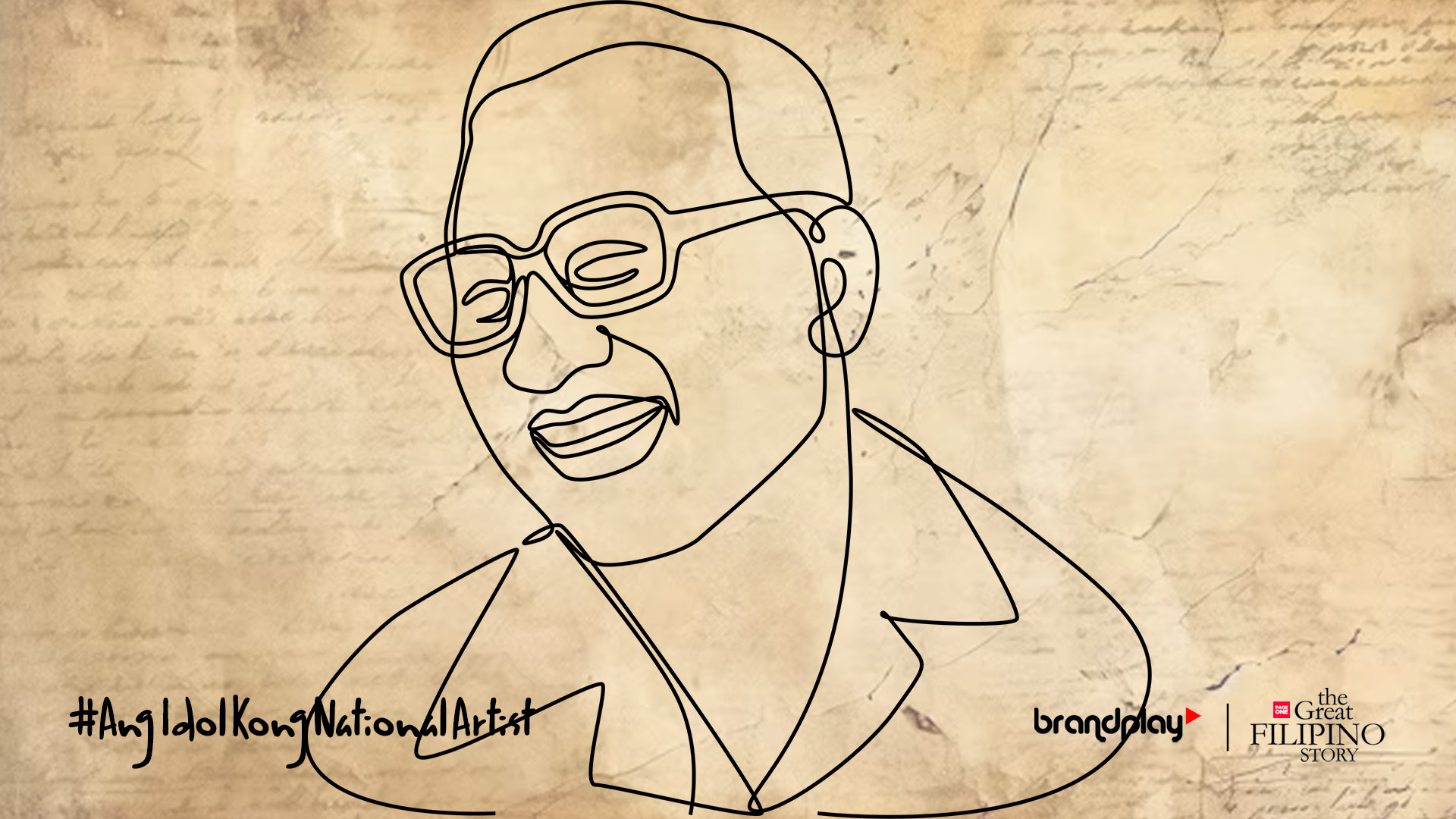
Ever since Vicente Manansala was a kid, he has already been fond of sketching using charcoal and has a skill with crafting kites on the side. At the age of 15, he began formal painting lessons under Filipino impressionist Ramon Peralta at a local sign and poster painting shop, laying the foundation for his future as a significant artist.
Manansala’s journey into honing his painting skills started at the University of the Philippines Diliman where he took Fine Arts as his undergraduate degree. Due to his impeccable skills in painting, he earned proper credentials to study abroad. He studied at the School of Fine Arts in Canada and France where he was under French painter and sculptor Joseph Ferdinand Henri Léger.
In the early 1940s, Manansala became associated with the social realism movement, and by the early 1950s, he embraced cubism. His cubist works uniquely captured the complexities of modern life, effectively bridging the divide between rural and urban experiences. Through his innovative approach, he explored the dynamics of Filipino society, reflecting the country’s transition during a time of significant change.
Manansala was officially recognized as a National Artist for Painting in 1981, an honor that underscores his profound impact on the Philippine art scene.
Manansala’s art transcended aesthetic boundaries, capturing the essence of Filipino life and addressing pressing social issues. His works often delved into themes of intimacy, poverty, and cultural identity, particularly in the context of American colonialism’s influence on the Philippines. His abstract techniques vividly portrayed the evolving nature of the nation. Notably, during the Marcos regime, his painting “Pila sa Bigas” emerged as a powerful social commentary, spotlighting the rice shortages that plagued the country as a direct consequence of martial law.

