








When In Manila And The Long Game Of Building A Lasting Brand

A platform built on consistency now faces reinvention, as When In Manila shifts from founder-led identity to a shared space shaped by its growing community.

Unilever Champions Women Within The Workplace And Beyond Through Purposeful Programs And Partnerships

Unilever Philippines highlights how intentional policies and programs can empower women to lead, grow, and thrive across workplaces and communities.

Vivant Posts Double Digit Growth In 2025, Core Net Income Surges 21% To Php 2.7 Billion On Solid Power Generation Results

Vivant Corporation posts strong earnings growth, reflecting steady performance across its energy and water businesses amid shifting industry dynamics.

Reaching The Philippines’ Last Mile: Private Sector Innovation To Bridge The Financial Inclusion Gap

Private sector innovation is stepping in to bridge the gap between access and actual financial inclusion in underserved communities.

Farmers, Fishers Can Use Portable Containers To Buy Fuel

The initiative aims to ensure stable fuel access for essential livelihood activities.

Farmers, Fishers Can Use Portable Containers To Buy Fuel

39
39

How do you feel about this story?

Like
Love
Haha
Wow
Sad
Angry

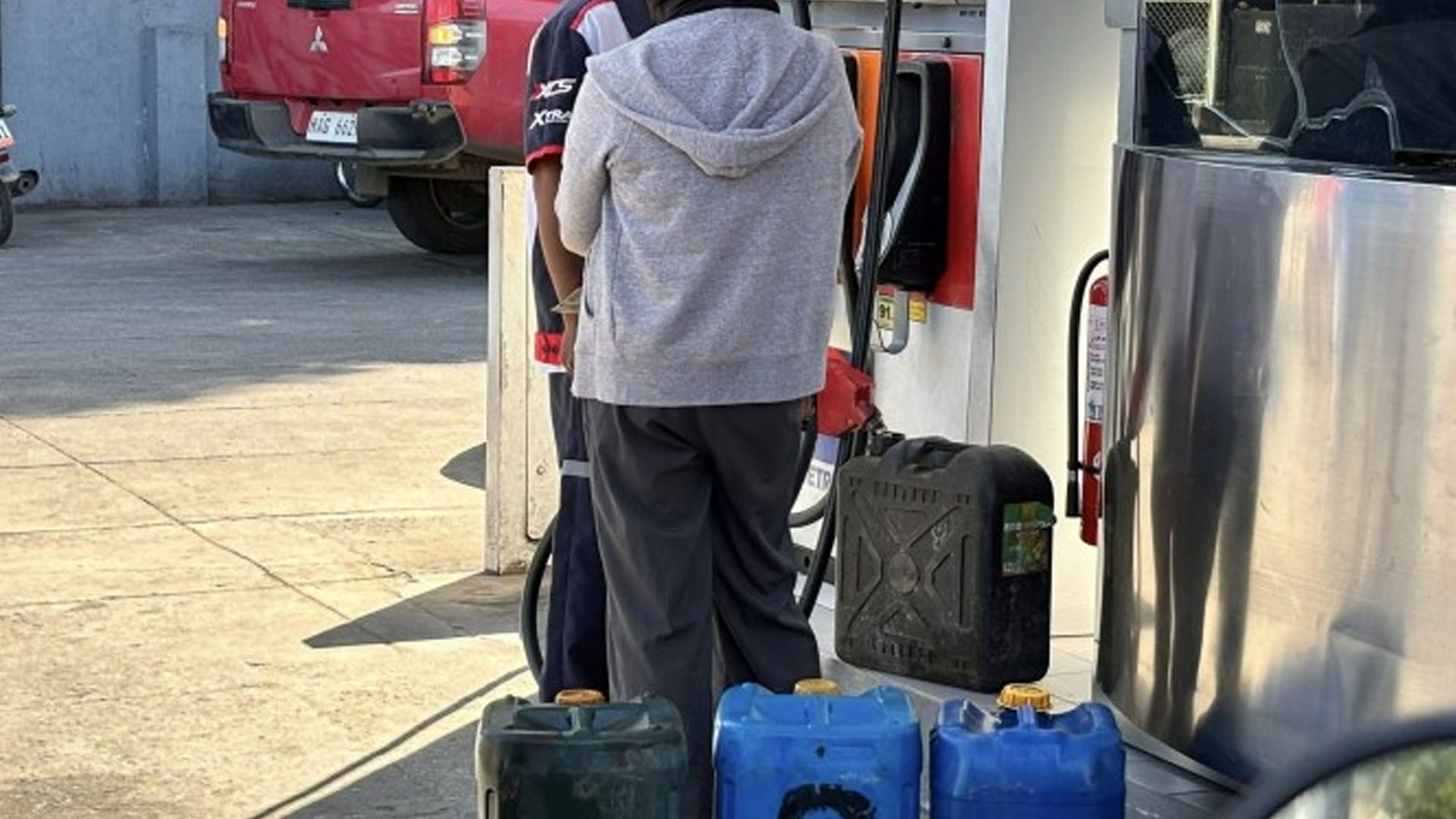
Farmers and fishers are allowed to buy petroleum products using portable containers, the Department of Agriculture (DA) assured on Friday.

In a statement, Agriculture Secretary Francisco Tiu Laurel Jr. reiterated that the policy applies to legitimate operational needs in the agriculture sector.

“Our farmers and fisherfolk could rest assured that they will continue to have access to the fuel they need for their productive activities,” he said.

Guidelines issued by the Department of Energy (DOE) allow farmers and fishers to buy petroleum products using jerry cans and drums for the operation of agricultural machinery like tractors, irrigation pumps, fishing vessels, and marine equipment, among others.

These purchases using portable containers, however, are considered legitimate provided their compliance with anti-hoarding rules and equitable fuel sale.

Buyers are required to present proof of operational necessity, including business permits, certifications, or purchase orders, to validate their fuel requirements.

To ensure compliance, the government has deployed monitoring teams in gasoline stations, including members of law enforcement and local government units. (PNA)

