










What began as a frustrated travel vlog has now turned into a region-wide conversation on cultural respect, language privilege, and the expectations travelers bring with them across borders, after a Filipina tourist’s angry comments about English communication in Thailand exploded across social media and ignited backlash from Thai netizens and international observers alike. The viral video, which has since been reshared thousands of times across platforms, captured the tourist venting about her inability to communicate smoothly with locals in Bangkok, framing the experience not as a personal inconvenience but as a perceived failure on the part of the host country to accommodate her. In a region where hospitality and mutual respect are deeply valued, the clip struck a nerve almost immediately, transforming a single moment of frustration into a full-blown cultural controversy that continues to unfold across ASEAN social feeds.
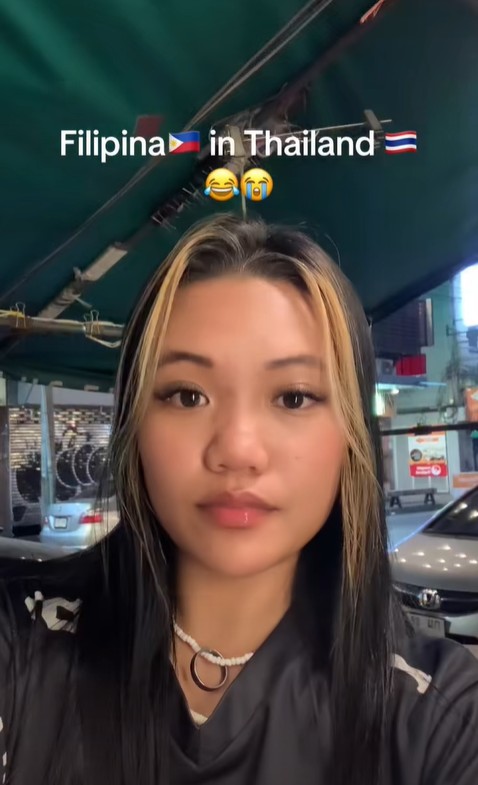
The now-infamous clip opens with the tourist declaring, “I’m Filipina. Of course my English is good, but when I arrive in Thailand, it’s f-ing useless,” before continuing her tirade about how neither Grab drivers nor locals could understand her, adding that “they need a translator.” While her comments were clearly born out of frustration, the language and tone of the rant quickly became the focal point of the backlash, with many viewers interpreting the remarks as both dismissive and entitled. Critics pointed out that Thailand’s official language is Thai, that English is not universally spoken across the country, and that expecting otherwise reveals a deeper misunderstanding of cultural context, especially in a nation that welcomes millions of tourists from non-English-speaking backgrounds every year.
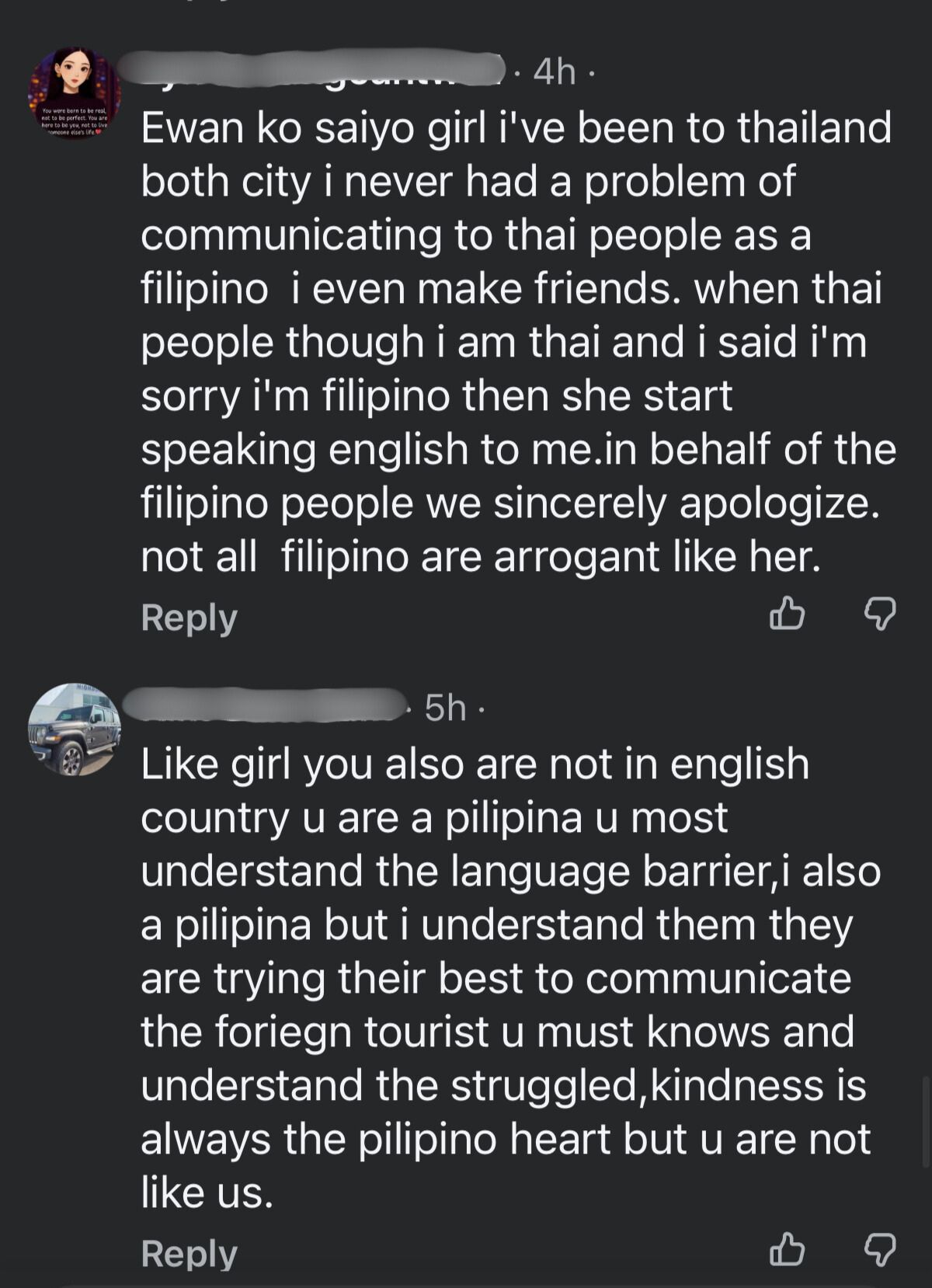
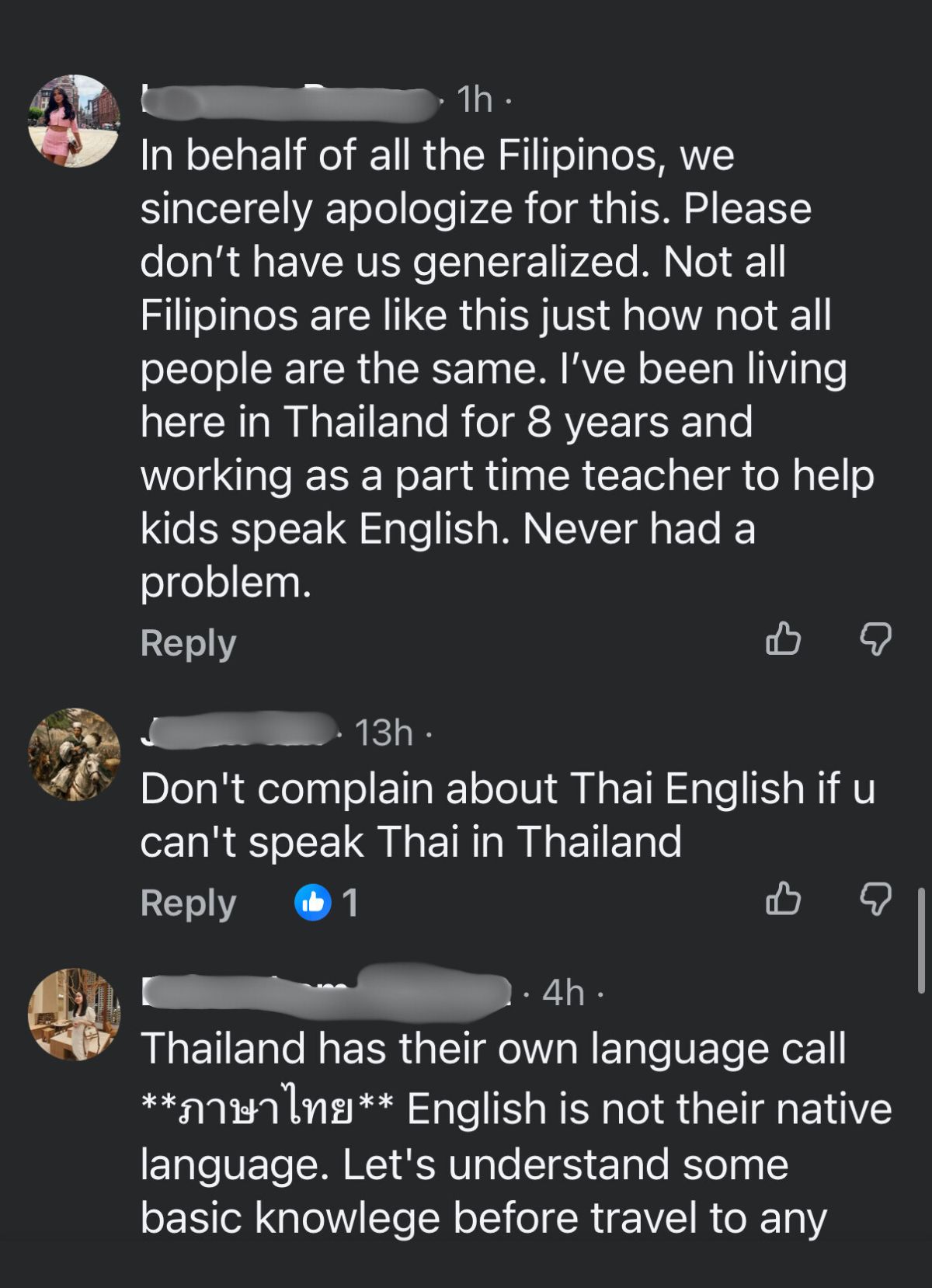
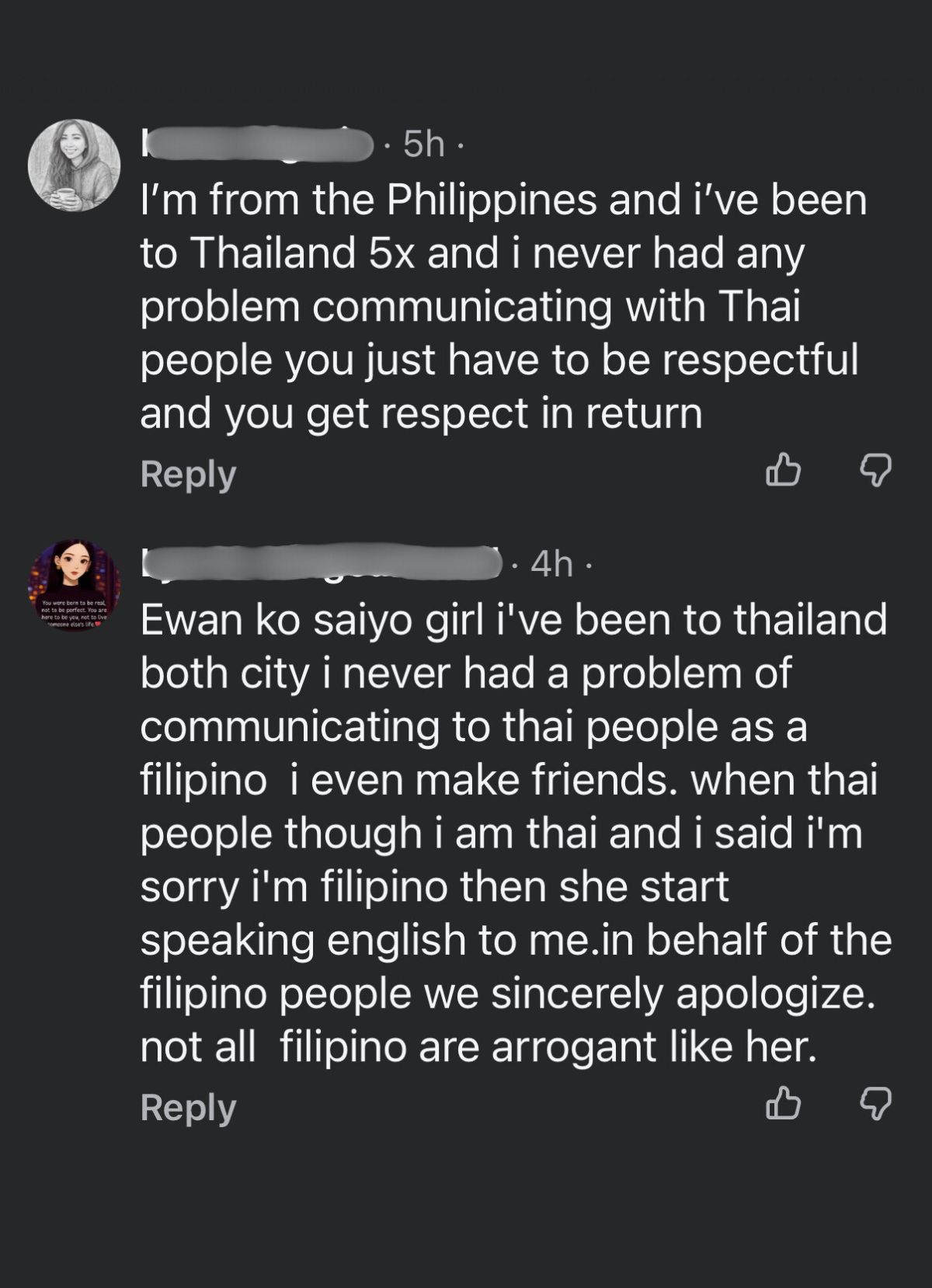
Thai netizens were swift and vocal in their response, with many expressing disappointment that a visitor would publicly shame locals rather than acknowledge the challenges of navigating a foreign environment. Several users reminded viewers that Thailand’s reputation as the “Land of Smiles” is rooted in warmth and hospitality, not in linguistic obligation, while others stressed that respect for local culture begins with the visitor, not the host. The conversation soon expanded beyond Thailand, drawing in voices from across Southeast Asia and beyond, many of whom saw the controversy as emblematic of a broader issue faced by non-English-speaking destinations where tourists arrive with unspoken assumptions that English should function as a universal bridge.
Travel commentators and cultural analysts soon weighed in, noting that while language barriers can indeed be stressful for travelers, they are an inherent part of cross-cultural experiences and not a failing of the destination. Several pointed out that the Philippines’ own multilingual landscape offers a useful parallel, as many rural communities across the country also struggle with English fluency, despite the language’s prominence in formal education and media. In that sense, the viral rant inadvertently opened a mirror back onto the region itself, forcing audiences to confront how privilege, language, and mobility intersect in the age of social media travel culture.
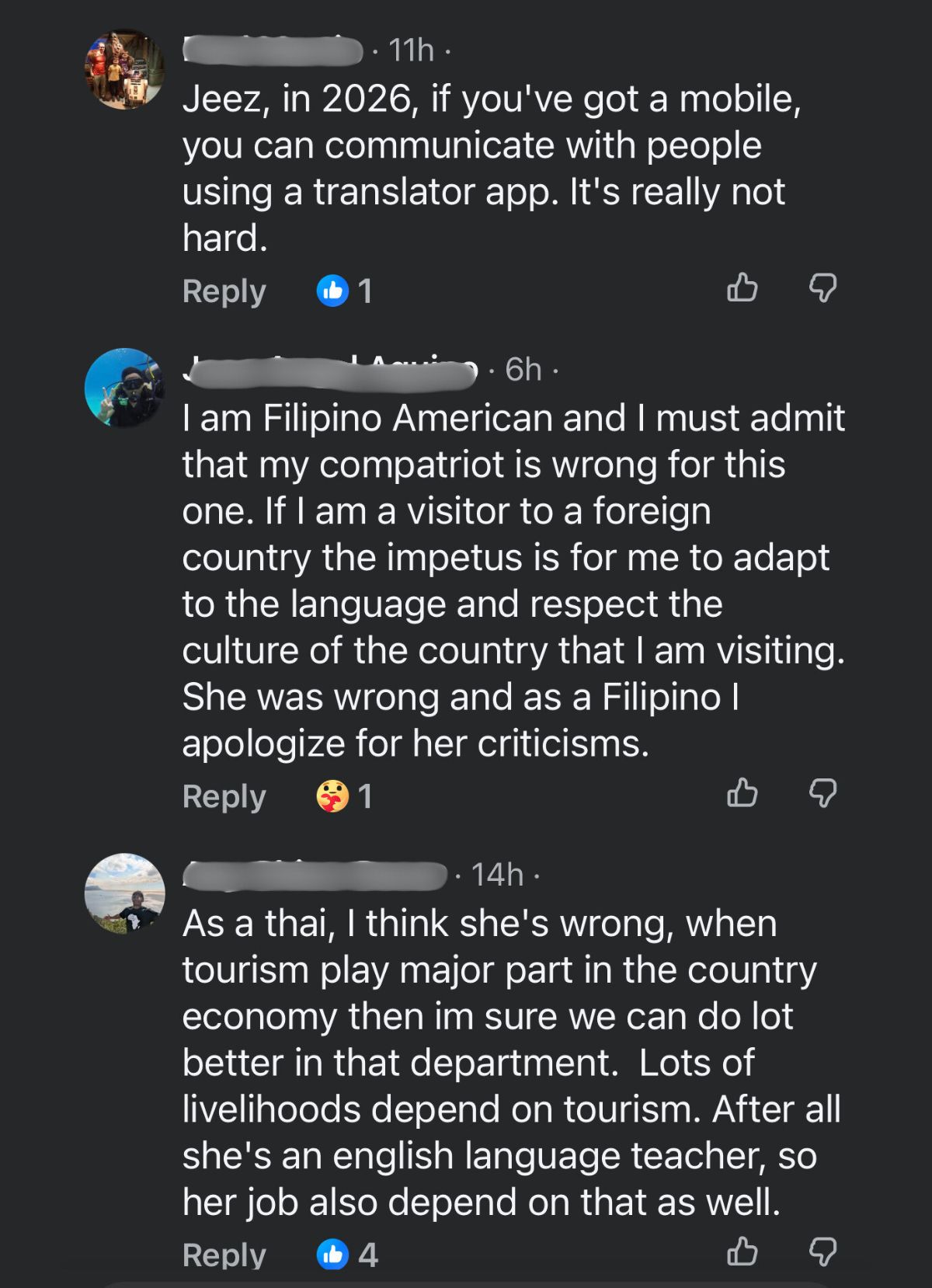
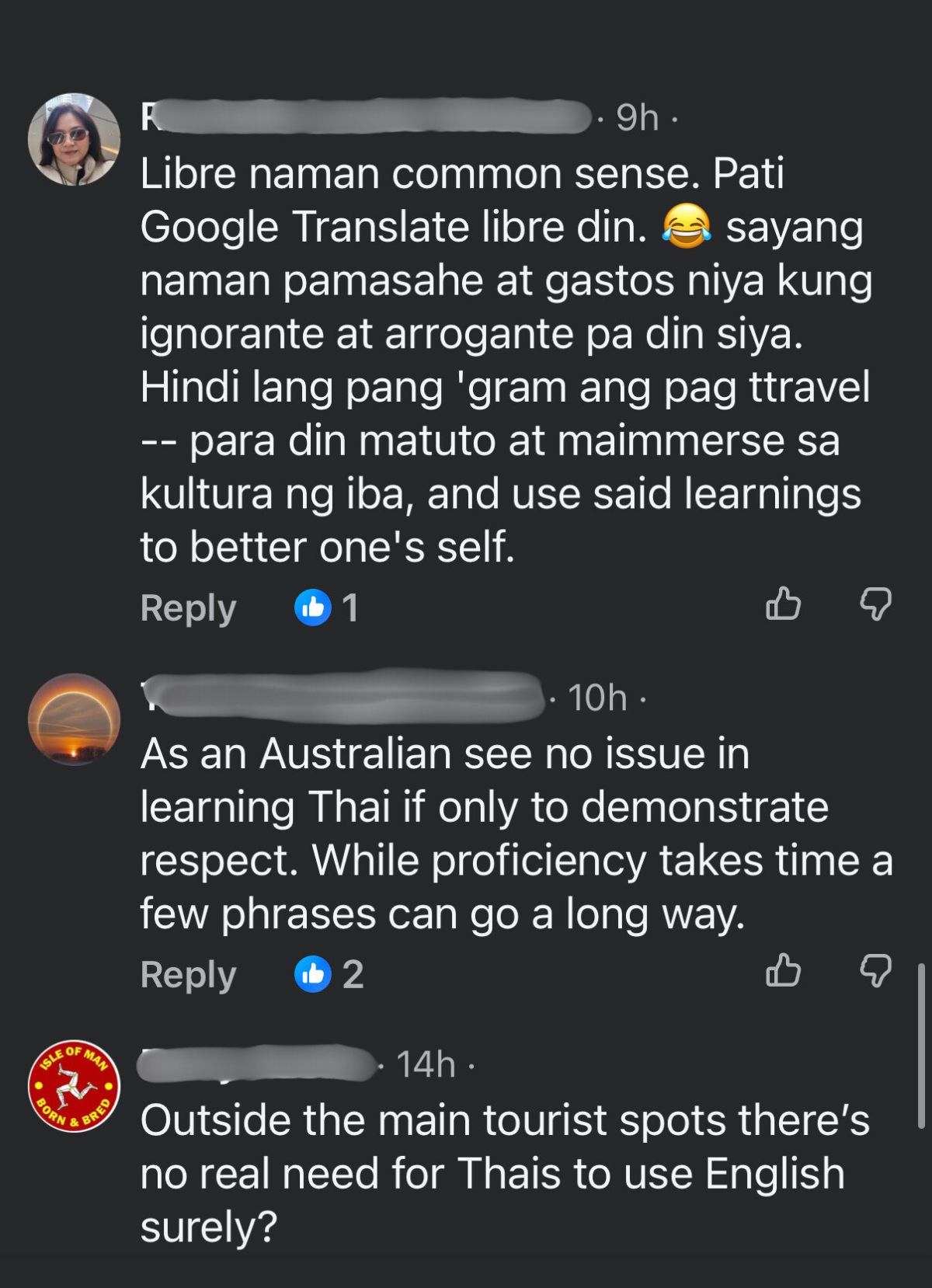
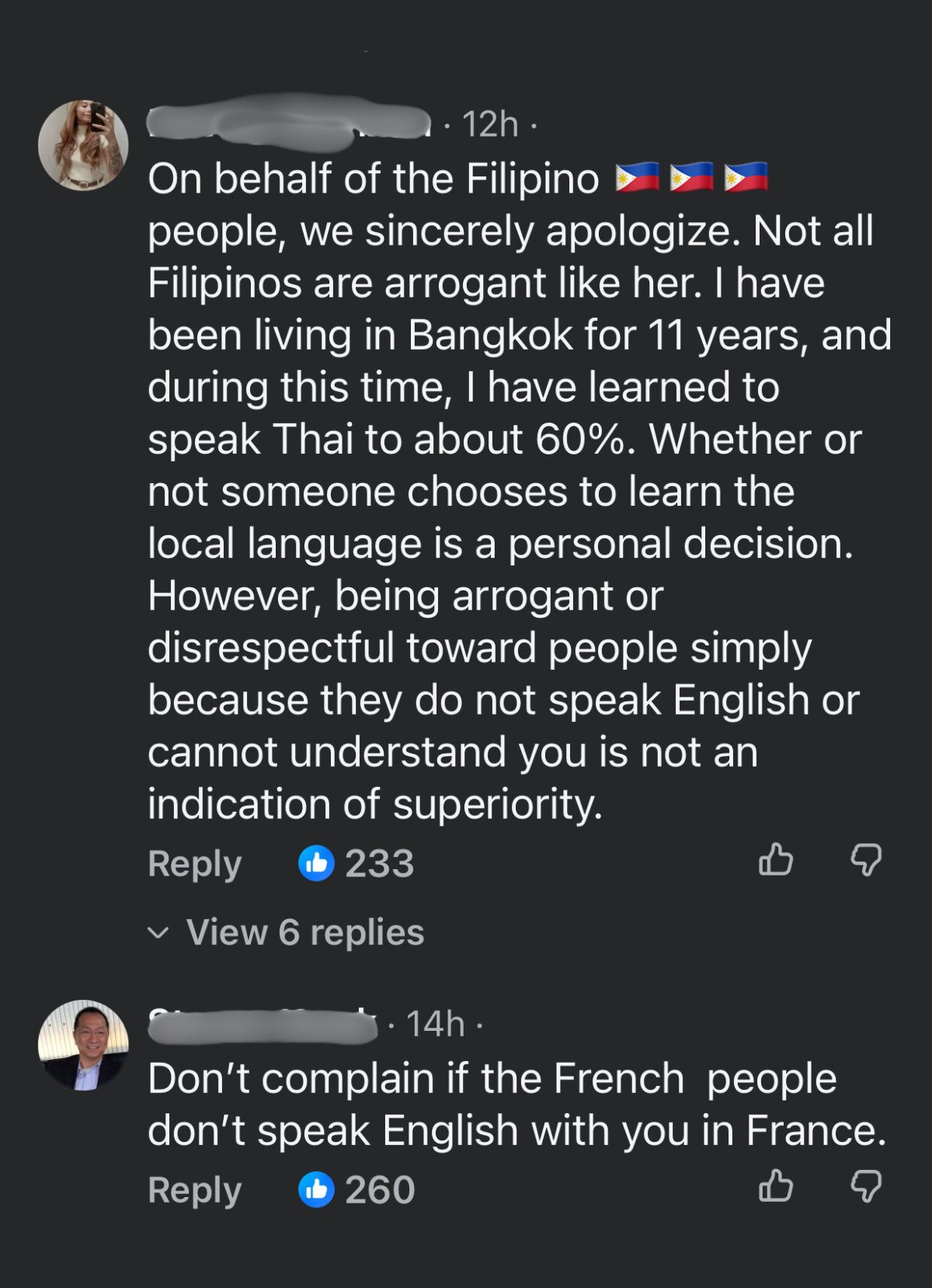
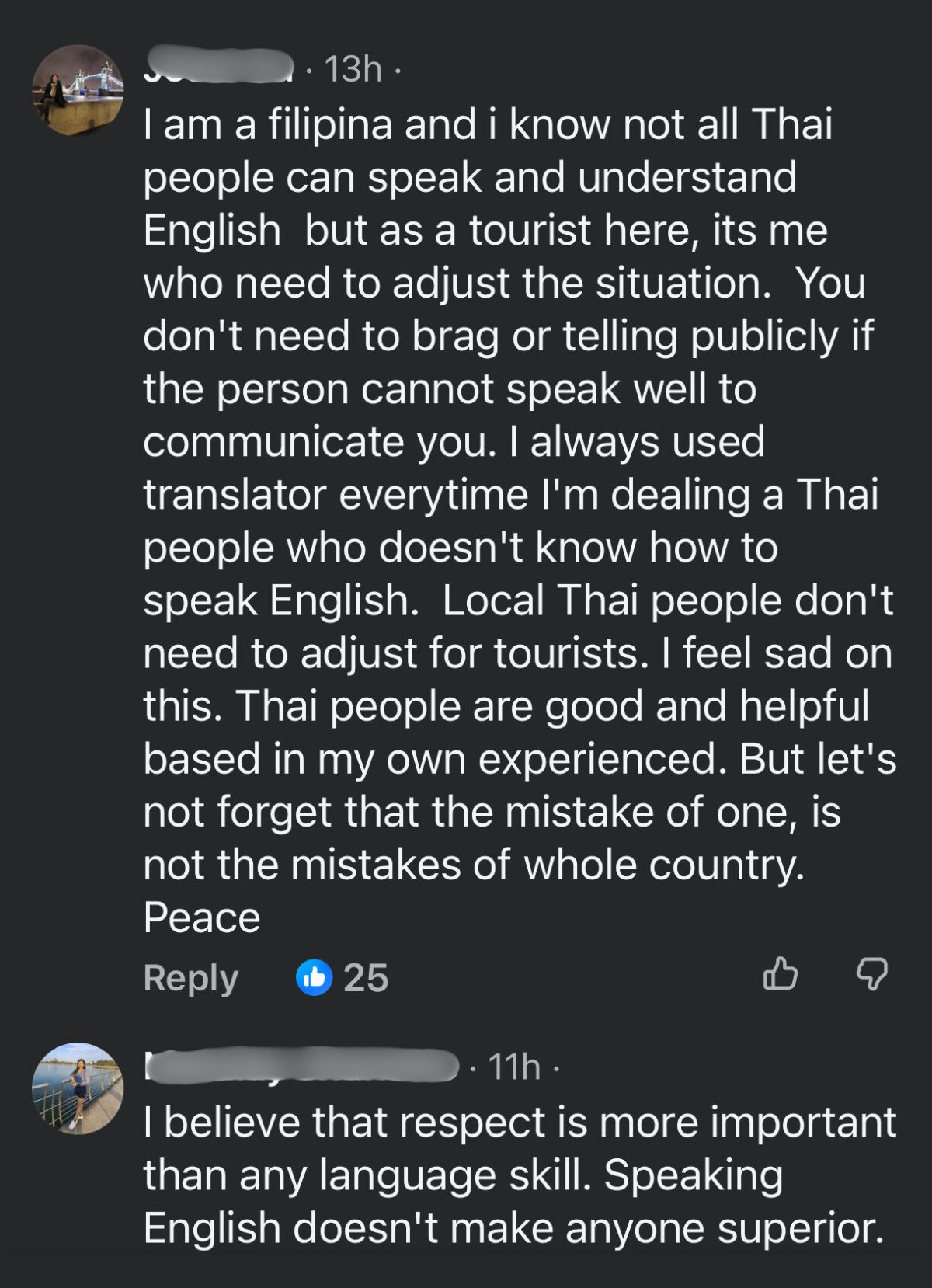
As the backlash intensified, the tourist reportedly disabled comments on her original post, but the clip had already taken on a life of its own, circulating through TikTok, X, Facebook, and regional news pages where the debate continued to evolve. Supporters of the tourist argued that travel fatigue and cultural shock can lead to emotional outbursts, while critics maintained that public platforms come with responsibility, especially when one’s words have the power to reinforce stereotypes and deepen divisions. What remained clear, however, was that the controversy had tapped into a deeper regional conversation about how travelers navigate unfamiliar environments and how much patience, humility, and self-awareness those journeys require.


